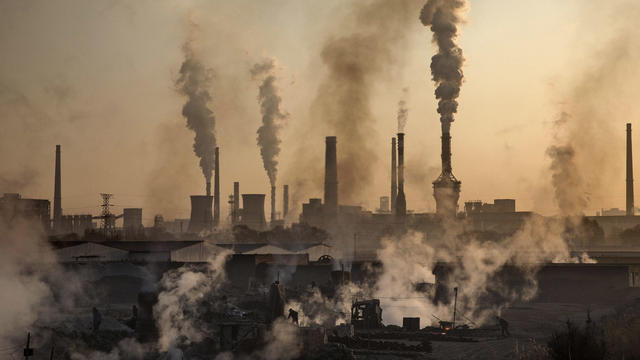
Carbon emissions fall 17% worldwide under lockdowns
Lockdowns could lead to an annual emissions decline of up to 7% — the biggest emissions drop since World War II, researchers say.
Watch CBS News
Lockdowns could lead to an annual emissions decline of up to 7% — the biggest emissions drop since World War II, researchers say.

Douglas Loverro, NASA's chief of human spaceflight, unexpectedly stepped down after an unspecified "mistake" earlier this year.

Rabbits are currently battling a viral disease of their own, and it could wipe out entire populations.

Cyclone Amphan is expected to slam the countries' coastlines with high winds, a massive storm surge and torrential rains.

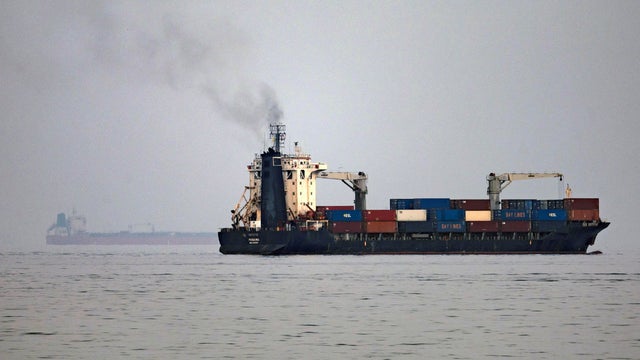
As industry resumes, deadly pollutants hit levels in April even higher than last year, prompting warnings of a "dirty" economic rebound.

Researchers in Florida have rediscovered an "ultra-rare" metallic blue bee that hadn't been spotted in years — so long that experts weren't sure it still existed.

Running a day late because of bad weather, a United Launch Alliance Atlas 5 rocket finally thundered to life and vaulted away from Cape Canaveral early Sunday, carrying an unpiloted Air Force X-37B spaceplane aloft to kick off a secrecy-shrouded flight.

Tropical Storm Arthur has become the first named storm of the Atlantic season and is expected to hit the North Carolina coast Monday. CBS News meteorologist and climate specialist Jeff Berardelli joins CBSN's Elaine Quijano with the latest.

"Sunday Morning" takes us to Beqa Lagoon in Fiji, where sharks are enjoying a quick bite. Videographer: Ziggy Livnat.
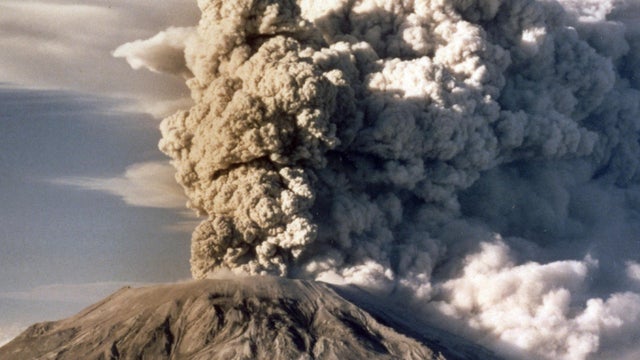
The Washington state blast was the largest volcanic event in U.S. history, killing 57 and triggering a debris avalanche that destroyed hundreds of square miles of forest