Blue whales are "canaries" for microplastic consumption, study finds
The estimate is conservative, one researcher said, but shows the whales are "canaries in the coal mine" for a potentially toxic problem for other animals, including humans.
Watch CBS News
The estimate is conservative, one researcher said, but shows the whales are "canaries in the coal mine" for a potentially toxic problem for other animals, including humans.
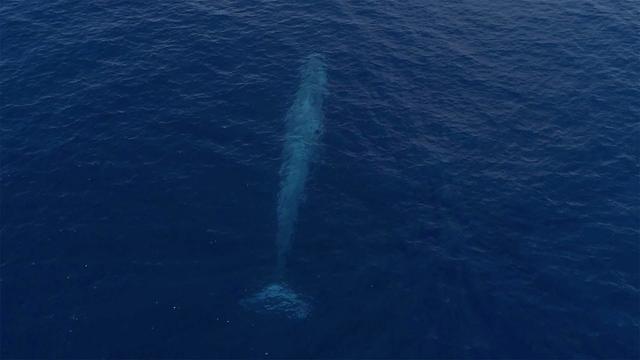
A new study found that blue whales off California's coast are consuming about 10,000,000 pieces of microplastics every day — an amount that could be potentially toxic to the whales and other animals that end up with the pollutants in their systems.

The massive space rock could be "very bad for life as we know it" if it collided with Earth.

The sun appeared to be "smiling" down on Earth ahead of Halloween weekend. But what does it mean?

The Mengtian module is set to join a second one that's also connected to the core module where the crew lives and works.
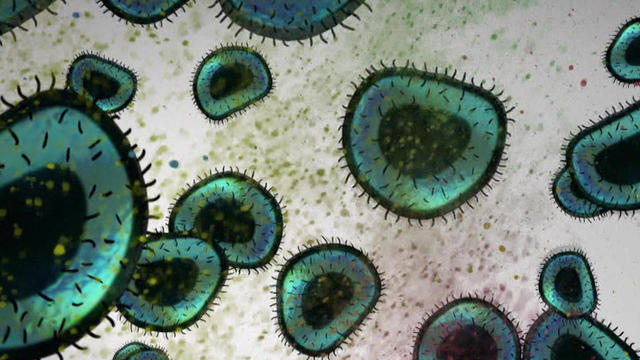
When Emily Whitehead was six years old, she became the first child ever to receive genetically-modified T cells, an experimental treatment for her leukemia. It cured her, and helped launch the field of cellular medicine.
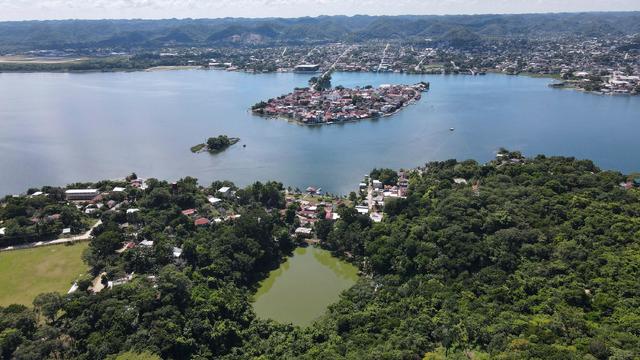
Tayasal was the last Mayan city to yield to the Spanish conquest in 1697, a century after Europeans entered the western highlands of what is now Guatemala.

The bird was tagged with a tracking GPS chip and tiny solar panel that enabled a research team to follow its first annual migration across the Pacific Ocean.

The Pulitzer Prize-winning author of the cancer history "The Emperor of All Maladies" returns with the story of the discovery of cells, and the science of manipulating them.

One paleontologist lamented that dinosaur skeletons need to be kept available to scientists for study and not made part of private collections.