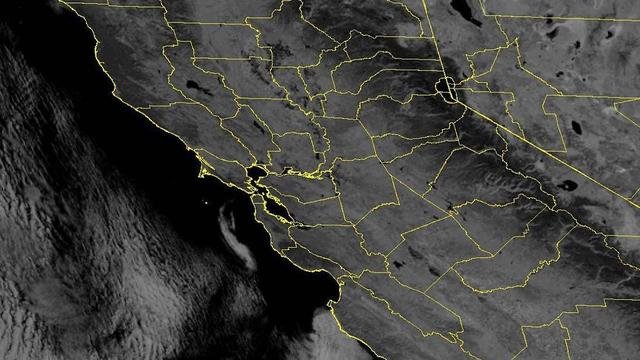
Stalled High Pressure System Could Lead To Historic Bone Dry February
The last time the San Francisco Bay Area suffered through a bone-dry February, Abraham Lincoln was in the White House and the nation was in the grips of the Civil War.
Watch CBS News
The last time the San Francisco Bay Area suffered through a bone-dry February, Abraham Lincoln was in the White House and the nation was in the grips of the Civil War.
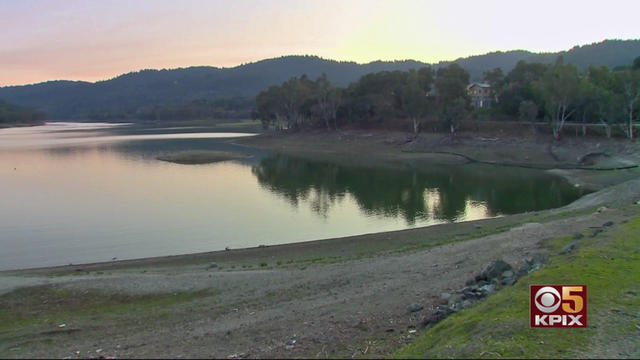
With the snowpack statewide at just 72 percent of historic average, experts say it is not time to panic.
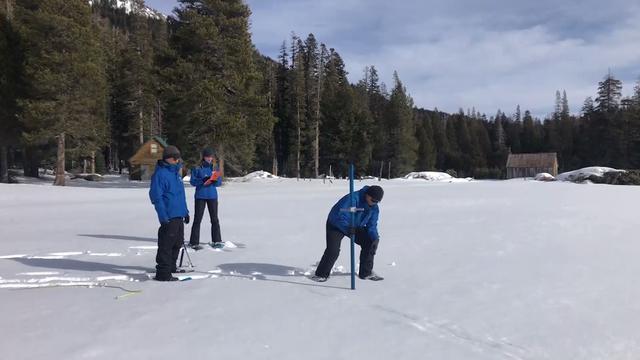
hat kind of winter is California having? This year, trying to answer that presents another question, and that is how would one like to do the measuring? That is exactly the kind of thing they work on at U.C. Davis.

Recent heavy storms in California have wiped out much of the state's abnormally dry conditions.
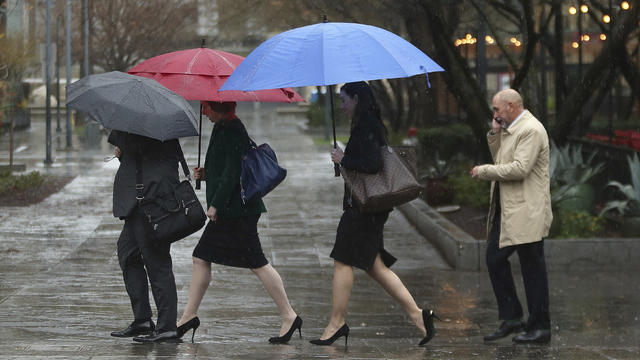
The rainfall that is arriving in Northern California this holiday weekend is just the beginning of a wet pattern, and it is very good news.
After months of drought-like weather, Bay Area residents began bracing Monday for the first major storm front of the fall advancing toward Northern California from the Pacific Northwest.
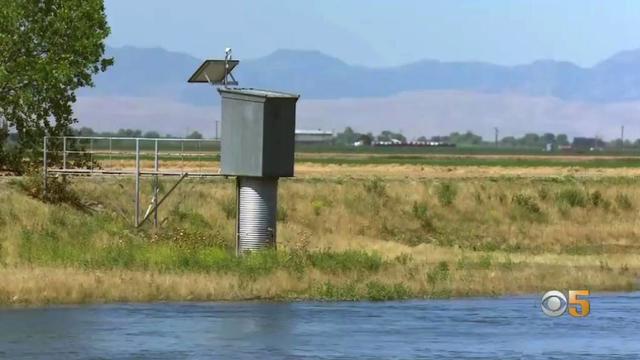
The South Bay's biggest water district is considering buying a sprawling cattle ranch 100 miles away in the San Joaquin Valley.
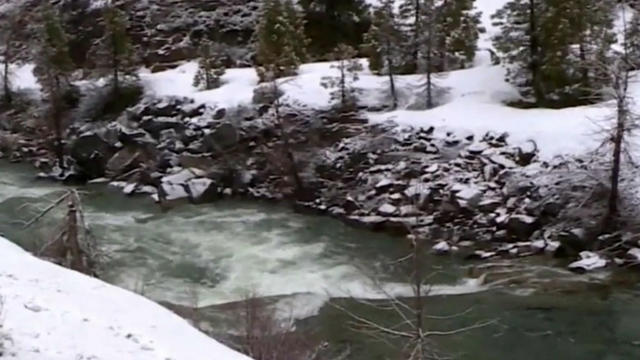
The snow is finally starting to melt after a long wet winter, and according to researchers, that could mean more earthquakes.
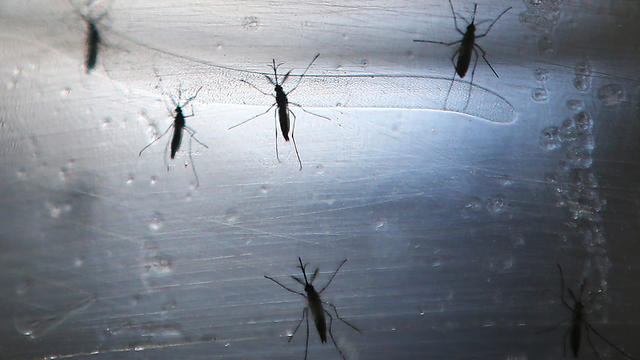
The rain this year may have gotten us out of our drought but biologists are concerned about mosquitoes breeding in standing water in grassy swamps.

Recent storms may have ended the drought when it comes to water, but now California is in the midst of a drought of a different kind -- an earthquake drought.
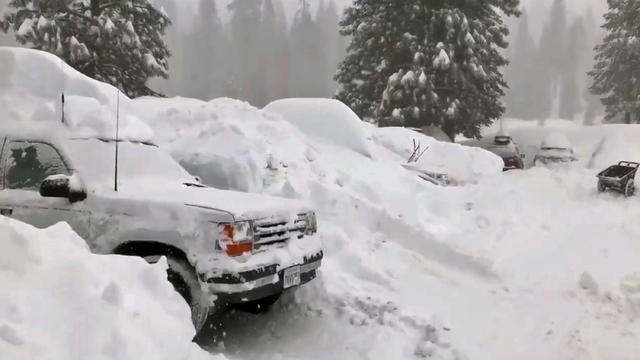
A series of February storms dumped historic levels of snow in the Sierra, burying some mountainous areas under hundreds of inches and leading to a "water supply dream," according to state water officials.
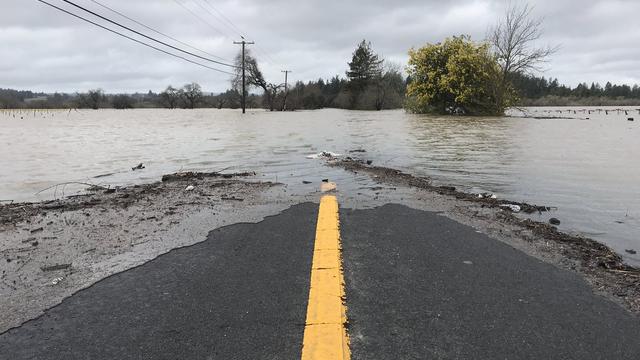
The U.S. Drought Monitor says Thursday that more than 93 percent of the state is free of drought or dryness.
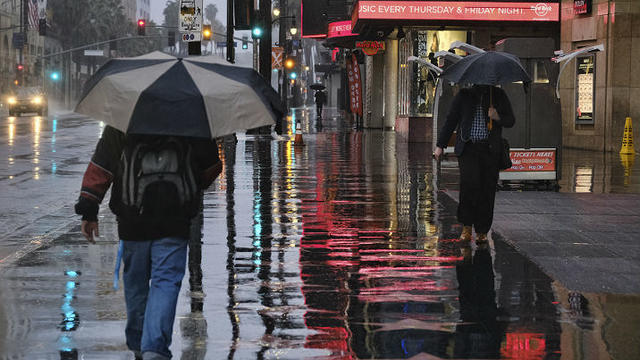
A series of fierce February winter storms that have dumped record levels of snow on the Sierra and caused minor flooding in the Bay Area have driven away any fears of a return to drought conditions.

The USDA Forest Service announced Monday that an additional 18 million trees, mostly conifers, have died in California since fall 2017.

After fluctuating between extreme droughts and wetness in recent years, California's reservoir levels are trending toward normalcy.
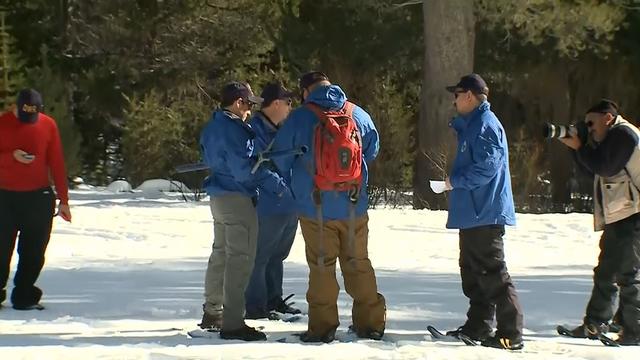
Storms have come to California early this winter but a survey of the Sierra snowpack on Thursday shows it is only at 67 percent of average statewide for this time of year, according to the state's Department of Water Resources.
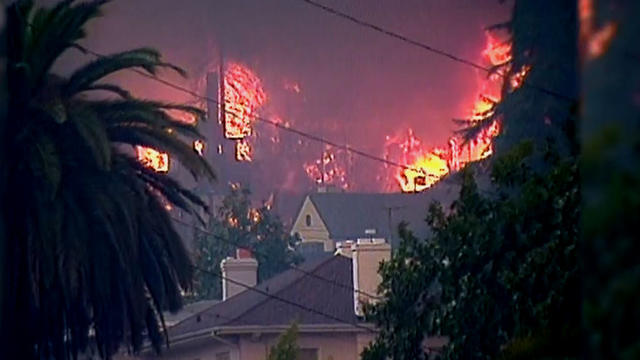
Gusty offshore winds and dry conditions prompted the National Weather Service Saturday to issue a Red Flag warning for critical fire conditions this weekend in the Bay Area.
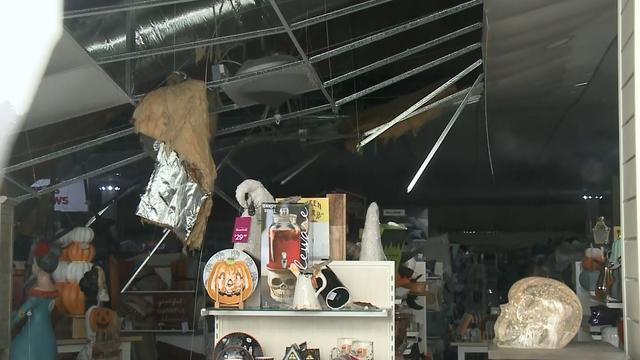
The Bay Area's dry spell, which has spanned more than 150 days, came to a dramatic end Tuesday as a fall storm pelted the North Bay with showers that may have triggered a partial roof collapse at a San Rafael store.

It's been 159 days since San Francisco has what can be called a rain shower, but that is about to change thanks to a low pressure system spinning 400 miles off the coast.

The Bureau of Reclamation has been studying the idea of raising the height of the dam since the 1980s but has faced opposition from the state and Winnemem Wintu Tribe because it would further inundate the McCloud River, protected under state law.
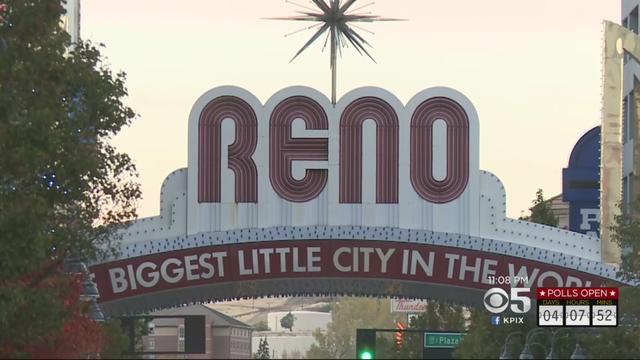
For the second year in a row, Reno sizzled through its hottest summer on record.

Saturday's keynote speaker at the Marin Climate Action Showcase was Christiana Figueres, the architect of the Paris Climate Accord.
More destructive fires, brutal heat waves and rising sea levels are just some of the effects of climate change according to a new study on climate change.
A pair of large wildfires burning in Northern California known as the Mendocino Complex has expanded forcing new evacuations in Lake and Colusa Counties.