House passes bill to make daylight saving time permanent
The measure also allows states to opt out if they take action before the federal law is enacted.
Watch CBS News
The measure also allows states to opt out if they take action before the federal law is enacted.
The time change known as daylight savings starts Sunday, March 8, 2026. Most Americans lose an hour of sleep when clocks "spring forward."
Longer and lighter days were supposed to save energy, reduce traffic accidents and help people become more active. Governments thought daylight saving time would save money.
Daylight saving time ended on Sunday, Nov. 2, 2025, when the clocks fell back and we gained an hour.

Daylight saving time in 2025, when clocks change by an hour, has started. Here's a look at when exactly we "spring forward."
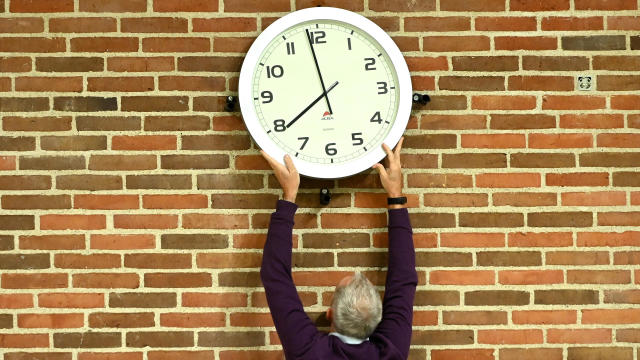
The end to daylight saving time means our clocks "fall back" early Sunday, Nov. 3, 2024. But why do we have to adjust the time twice a year?
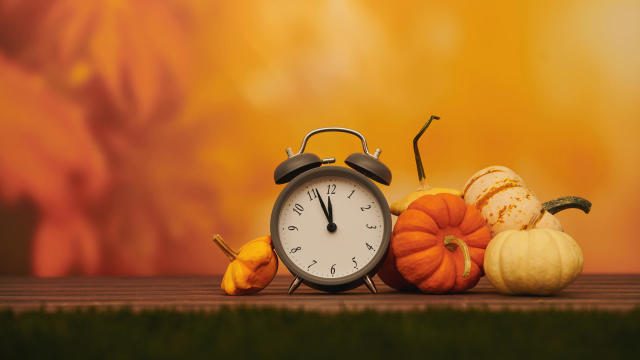
Gaining an extra hour of sleep as daylight saving time ends might sound like a win, but experts say "falling back" can have some health consequences. Here's some advice to help you cope.
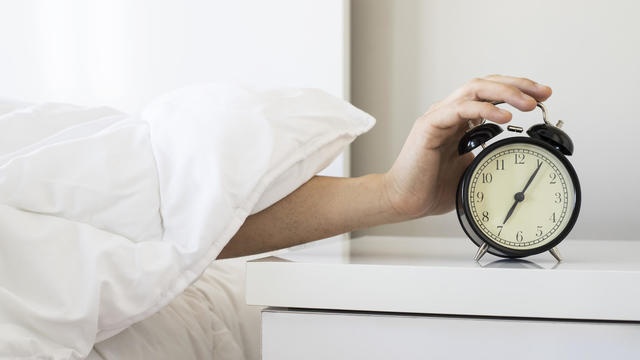
Daylight saving time for 2024 is here, which means we lost an hour of sleep as we "spring forward." Here's how to deal with the time change, according to experts.
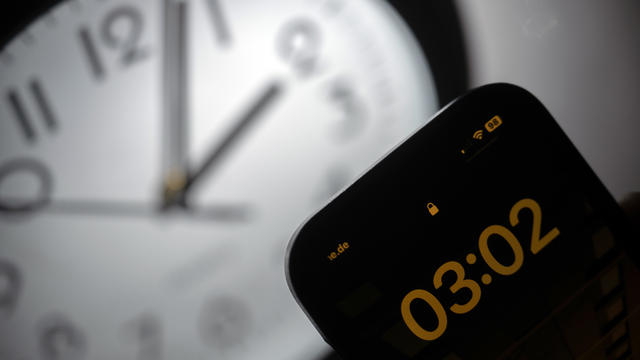
Clocks "spring forward" when daylight saving time begins on Sunday, March 10, 2024.
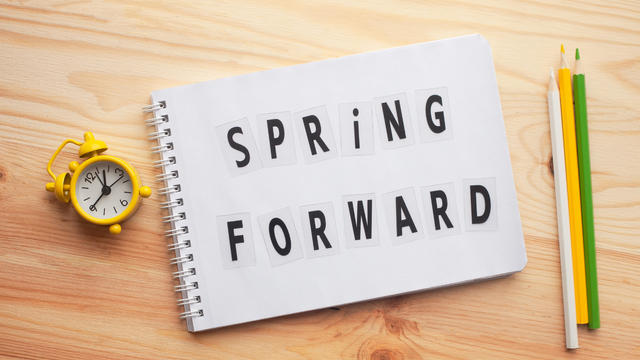
Daylight saving time began early Sunday morning, and our clocks jumped forward by one hour. There's a new push to put an end to the time change in California.
Daylight saving time begins this year in the early hours of Sunday, March 10, giving us longer, sunnier evenings until Nov. 3, 2024. Here's what to know about how the time change works.
Sleep experts are warning that daylight saving time causes the body certain harm as it adapts to the changes. CBS News' Michael George reports on the concerns about health and safety being raised as Americans prepare for the Sunday shift.
Six in 10 Americans said they preferred making daylight saving time permanent, according to a poll.

There's little support for switching clocks back and forth.