San Francisco man walks 50 miles to raise awareness to pedestrian safety
A series of tragic, but unrelated, accidents have taken the lives of five pedestrians in the last few weeks in San Francisco. This, despite efforts by the city to make things safer.
Some may feel the problem is hopeless, but on Saturday, one man was undertaking an arduous journey to bring attention to the problem. Harrison Anderson doesn't stay in one place for long.
"I average about 140,000 steps per week," he said. "So, yeah, I burn through shoes pretty fast."
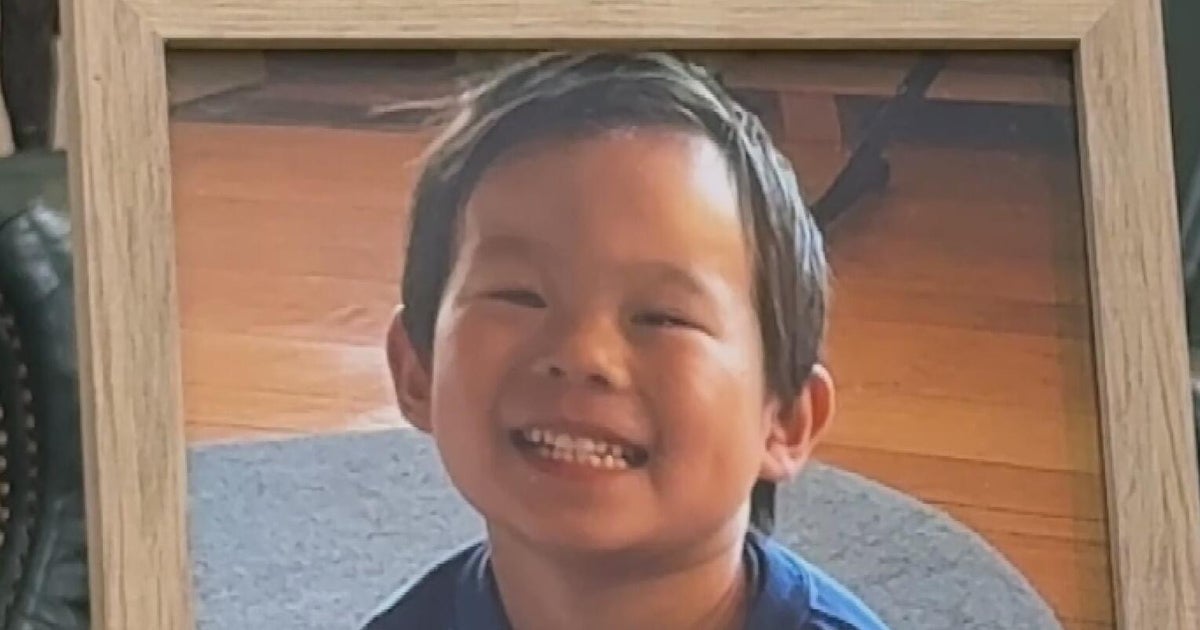
And, luckily, with his Day-Glo pink leggings, you can see him coming from a distance. But even his high visibility doesn't guarantee safety. That was brought home to him last month when a 2-year-old child was hit and killed in a crosswalk in the Mission Bay area of San Francisco.
"I just couldn't stop thinking about how easily that could have been my son and I," said Anderon. "We're always paying attention. We're always being careful when we're out walking. But I don't have enough fingers to count the number of times cars come flying around the corner, or run through a red light."
So, to draw attention to the problem, and to maybe get city leaders up and moving, he was doing some moving of his own.
Beginning early Saturday morning and ending, hopefully, before midnight, Anderson was walking a 50-mile circuit of his own design through the entire city of San Francisco.
He said he thought the journey would require more than 100,000 steps, about 10 miles farther than the longest walk he's ever taken.
The reason he hoped to finish before midnight was that that's when his step counter resets to zero for the new day. By noon, Anderson had covered about 20 miles when he made it to Candlestick Point.
"Um, I'll say right now I feel better than I usually do 20 miles into a walk," he said. "But basically, anything past 30 miles is going to be pushing past discomfort to get to the end of the day."
Out on the trail, he met Jodie Medeiros, executive director of WalkSF, and a tireless advocate for making the streets safer for people on foot.
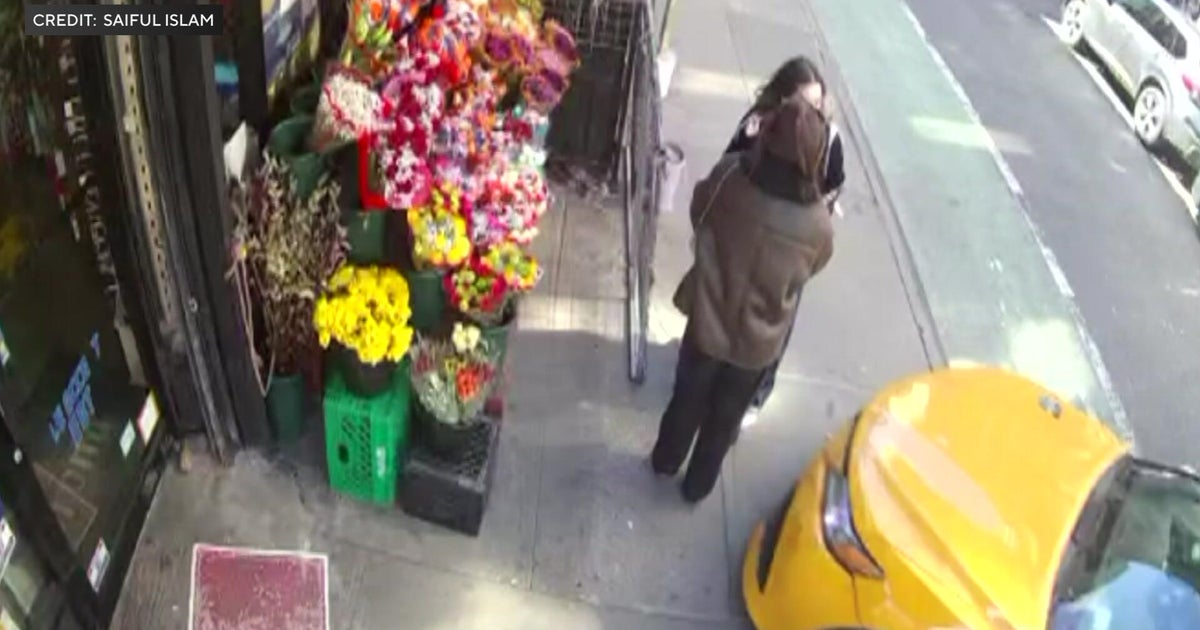
With so many people and cars jammed into so little space, San Francisco may seem like an inherently dangerous place for pedestrians. Despite City efforts like banning right turns on red and installing speed bumps and red light and speed cameras, deaths still occur.
But Medeiros disagrees with those who think tragedies are just to be expected.
"This is not inevitable. This is a solution that's definitely solvable," she said. "You make sure that the tools are there so that people cannot drive dangerously. People are bound to make a mistake. Whether it be the person that's walking, biking, or the driver. But how do you make sure that the system works so that if one piece of the system fails, the other one catches it?"
And Anderson said he's tired of hearing people blame the person on foot.
"One thing that frustrates me is after you see these tragedies happen, you go to the comment section and you hear people saying, 'Well, if they'd been paying attention, this wouldn't have happened.' Well, no, they were paying attention. It was the driver that wasn't. The driver's the one with the power."
But Anderson is a realist. He knows people and cars will be forced to coexist in close quarters. But he said long-distance walking has taught him to overcome self-doubt. So, on Saturday, he was out there somewhere putting one foot in front of the other. For his son, and for the city he loves.
"San Francisco. There's no other city like it. It's the only place I'd ever want to live. And part of that is because I believe in the people that live here. I know we can get this done."