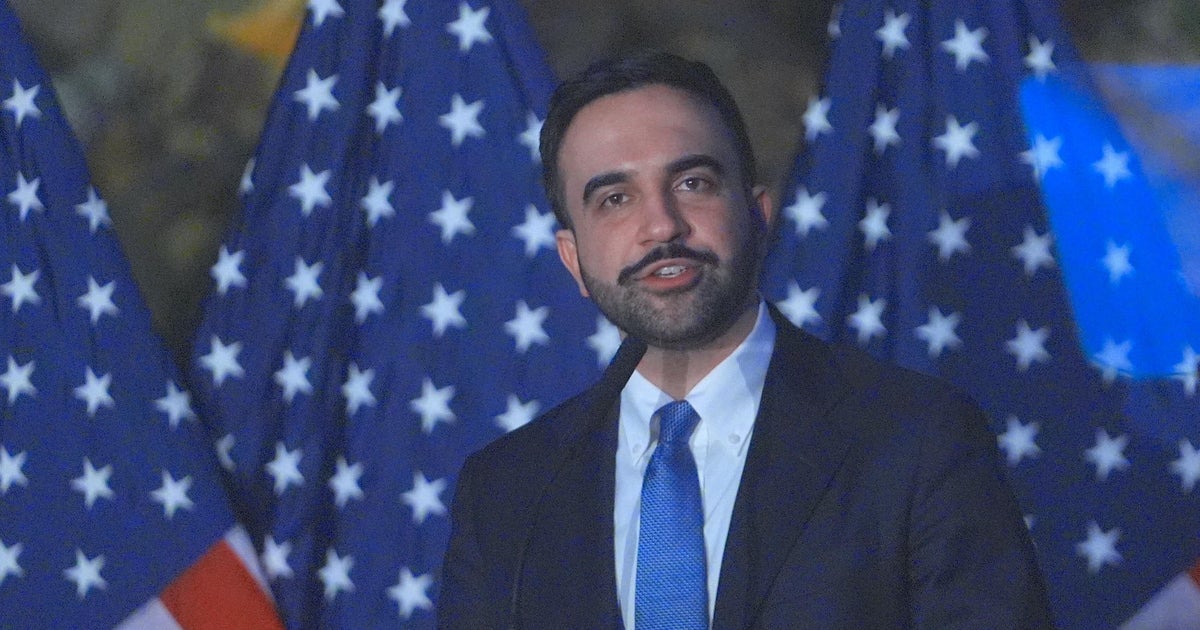
San Francisco Mayor Daniel Lurie discusses city's progress during his first year in office
As the first year of San Francisco Mayor Daniel Lurie's administration comes to a close, he is reflecting on what's different since becoming the leader of a city once caught in a "doom loop" narrative.
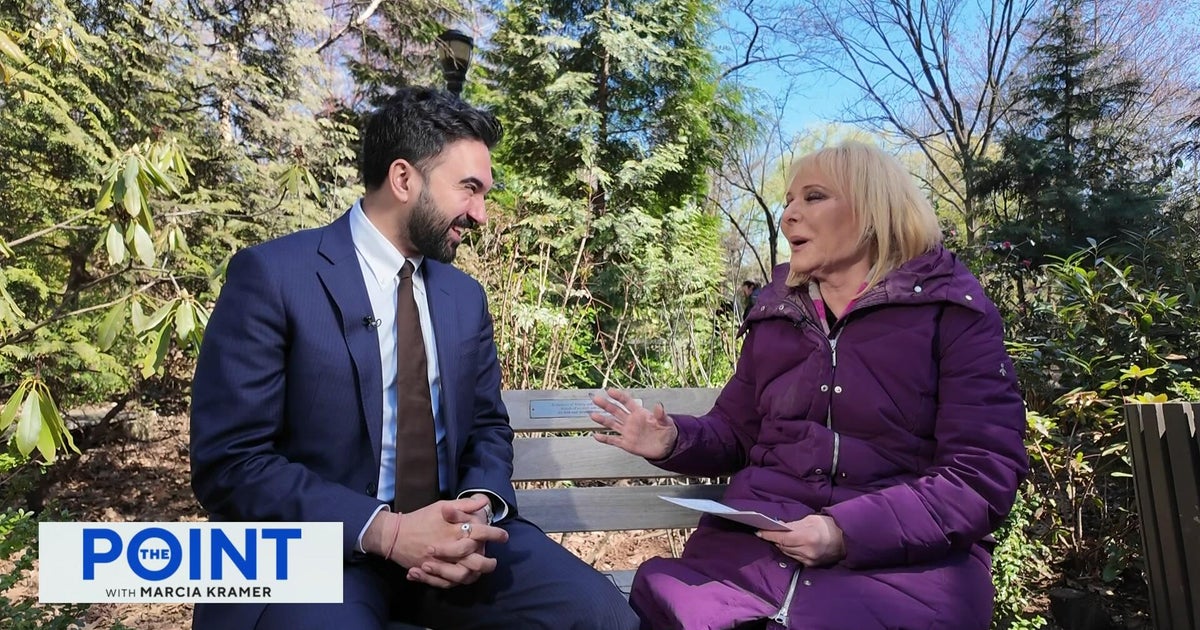
One of the key issues his campaign focused on was crime and public safety, and during a one-on-one interview inside the KPIX studios, he proudly touted the latest numbers.
"Crime is down citywide, 30 percent down in Union Square, and in the Financial District it's down 40 percent," said Lurie. "We are using license plate readers. We are using drones as first responders to make sure that we catch those that committing crimes in our city. It used to be where you committed a crime. You thought you could get away with it, that's not the case any longer."
But the mayor did admit that while the numbers are good, there is still work to be done, especially at night in the Tenderloin and the Mission District, around 16th and 24th streets.
"I'm frustrated by some of the conditions that I see on our streets," Lurie said. "So, we have work to do during the day. We have work to do at night."
On the issue of homelessness and getting people off the streets, Lurie described the issue as complicated.
This summer, the city began aggressively sweeping homeless encampments, and it passed a law allowing unpermitted RVs to be towed. The latest numbers from the city's Department of Emergency Management show the number of encampments dropped from 245 in January to 162 in December.
But Jennifer Friedenbach, the Executive Director on Homelessness, disagrees with the mayor's heavy-handed approach to solving the problem.
"There's been over a thousand citations and arrests for people lodging, which basically is camping, and 75 percent of these cases end up, the person being found innocent," said Friedenbach. "There has never been any citation or arrest that leads people off the streets."
Friedenbach believes the mayor needs to shift his focus from a criminal justice approach to a housing approach.
"I would like to see more of focus on prevention, on keeping people in their homes as a way of getting folks permanently off the streets," she said.
But Friedenbach does credit the mayor's approach to drug treatment, calling the expansion of treatment beds a positive step, including the opening of five hundred new shelter and recovery beds specifically designed to help people get essential drug treatment.
"I think what we are mostly seeing out on the streets is a drug crisis," he said. "It used to be, it was the hospital or jail, now there's a new innovative approach where we can say, okay, go get help.:
When it comes to the economy, during the mayor's first year, he said the city saw some gains and losses.
Several businesses decided to shrink their footprint in the city, including Walgreens and CVS. In Union Square, the once-thriving San Francisco Centre is now an empty shell and was sold for about $133 million at auction, and major retailers also left, including Nordstrom and Saks Fifth Avenue.
However, other retailers made the decision to plant their roots in downtown, including the opening of Nintendo and Pop Mart.
"Retailers are coming back," said Lurie. "Uniqlo is coming back on 4th and Mission next year. Zara is opening a 40,000-square-foot spot, and Union Square this past weekend was bustling."
And along with big retailers, small business owners like Steven Lee, who owns three businesses in Chinatown is seeing improvement with less red tape to secure permits and safer streets.
"For us in Chinatown, he's been really working hard for small businesses," said Lee.
The Sam Wo restaurant owner admits that businesses are still struggling with a labor shortage, but many are beginning to see a positive shift.
"These are things that small business folks are finally saying, 'Hey, we have a chance to survive,'" said Lee.
And while Mayor Lurie is proud of his first year, he is looking forward to 2026, saying the return of more conventions and conferences, along with the Super Bowl and World Cup will economically help the city.
"We had a strong start this year," said Lurie. "2026 is all about putting our foot on the accelerator."