High stakes ballot measures could determine future of Bay Area transit agencies

The funding fight over Bay Area public transit is heating up as supporters of two potential November ballot measures push for new tax revenue and opponents argue agencies should better manage the money they already receive.
One measure would create a San Francisco parcel tax to help fund Muni. The other would create a five-county sales tax to raise money for transit agencies across the region, including BART, Muni, AC Transit and Caltrain.
Supporters say the money is needed to avoid significant service cuts.
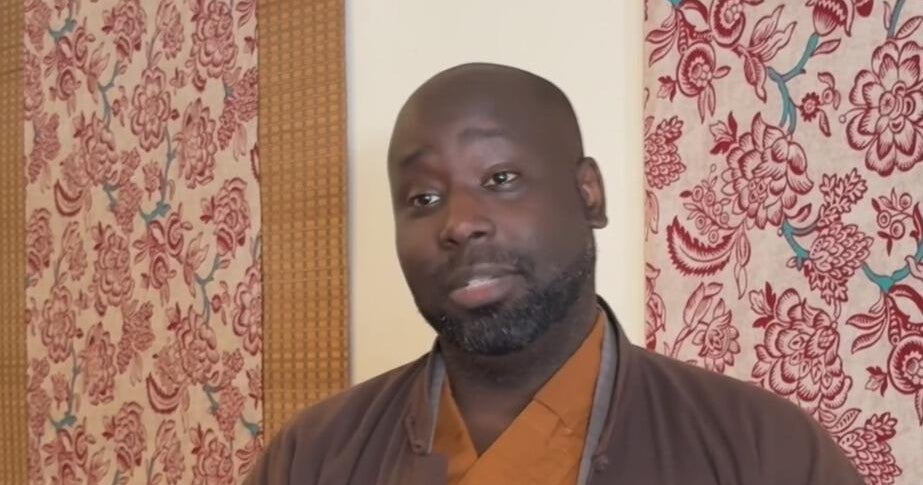
Davey Kim, a San Francisco father who works at Stanford University, says his family depends on public transit every day. Kim and his wife have lived car-free in San Francisco for 14 years. They even took the bus to the hospital when their child was born, and brought their newborn home by bus.
"We went to the hospital in a bus and also took him from the hospital in a bus," Kim said.
Kim said he first embraced a car-free lifestyle while living in Europe and Korea. He said transit is not only about reducing his family's carbon footprint, but also about creating daily interactions with neighbors and strangers.
"We should restructure our day to day so we get to see more people than what we're used to," Kim said.
He supports both proposed tax measures and says strong transit funding is key to making car-free living possible for more families.
But opponents say Bay Area transit agencies already receive enough public money. Marc Joffe, president of the Contra Costa Taxpayers Association, said agencies should look within their existing budgets before asking voters for more money.
"Bay Area transit agencies already receive $6 billion of tax and toll revenue," Joffe said.
Opponents argue agencies could avoid some of the service cuts officials have warned about by pausing capital improvement projects, including extensions.
"They should really make more of an effort to work within that envelope as opposed to going back to taxpayers for an additional billion dollars," Joffe said.
For Kim, the issue is also personal. He says public transit gives his son a chance to grow up in a city where daily life includes more human connection.
"It would be a shame if my son didn't get to experience that while growing up," Kim said.
Under the San Francisco parcel tax proposal, 95% of single-family homes would pay $129 a year. Renters in rent-controlled units would pay no more than $65 annually, while large property owners and corporations would pay more.
The regional sales tax proposal would generate about $1 billion a year for multiple Bay Area transit agencies.