Ask An Expert: How To Give Your Picky Eater More Healthy Foods
 Infants eating (credit: John Moore/Getty Images)
Picky eating is a natural phase of development, and something most parents have to deal with at one point or another. As long as it is addressed early, children can learn to be adventurous eaters whom enjoy a wide variety of healthy foods. With March being National Nutrition Month, now is the perfect time to examine the family's eating habits and look for ways to improve healthy choices and increase variety. Nutrition counselor and educator Kimberley Fielding shares some ideas on how to get kids interested in and excited about eating healthy foods.
Self-Employed
www.alphalivingnow.blogspot.com
Kimberley Fielding is co-author of "The Alpha Plan, Healthy Eating in College and Beyond." She earned a Bachelors degree at UCLA and studied diet and nutrition as a pre-nursing student at De Anza College. While working at the 52-week Weight Loss Clinic within a medical practice in Mountain View, Fielding provided nutritional counseling and meal planning advice. She currently teaches healthy living classes in the community and caters for friends.
In order to set families up for success, Fielding says it is imperative to incorporate exercise and movement into daily life. Consistent exercise habits help to foster robust appetites, and Fielding suggests having kids play outside before dinner, as they will not only be more relaxed at the table, but also generally more willing to eat what is placed in front of them. Here are five tips to encourage picky eaters to eat healthy foods.
Children love to be involved in making decisions. When planning weekly meals, ask picky eaters for their favorite dishes, and incorporate those into the plan. For instance, if one picky eater loves macaroni and cheese, put that into the week's plan and then discuss the importance of balancing out the meal with fresh produce. Offer the child one or two healthy choices to pick from, such as salad or sliced strawberries, and let them make the decision.
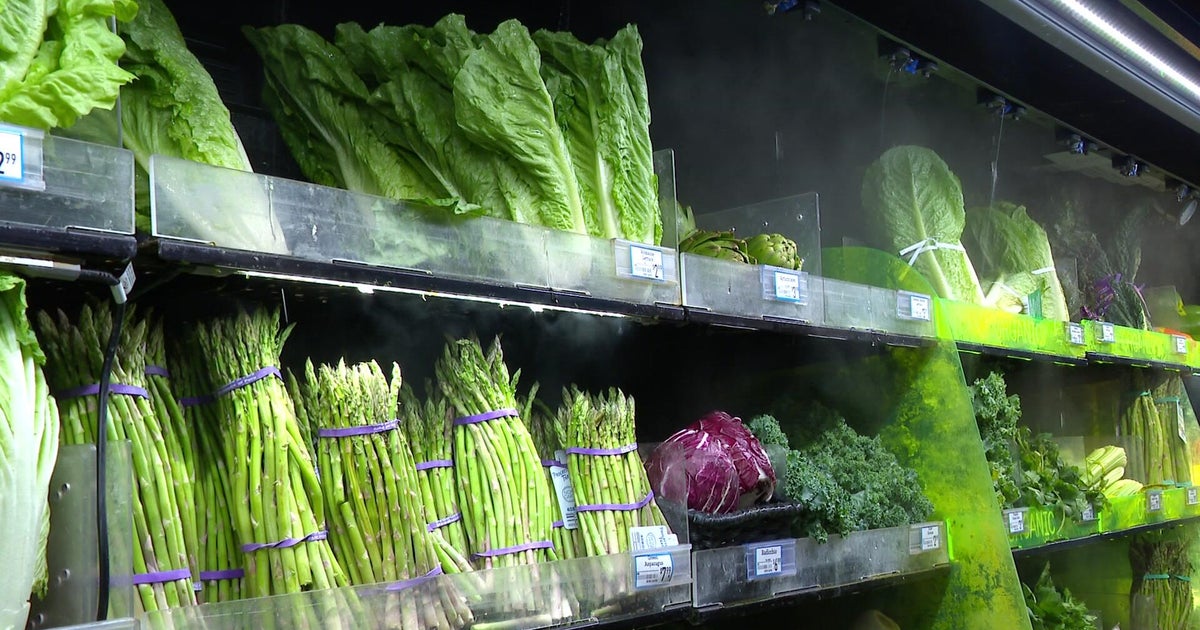
Much like making meal planning decisions, many kids love to help with the grocery shopping. On each trip, make sure to take the picky eaters on a path through the produce section. Encourage children to admire bright colors and unusual shapes, and have them select one new thing to try. Always praise the child for trying something new, and never scold them for not caring for something unfamiliar. Children learn to adapt to eating foods they are regularly served.
A wonderful way to get kids excited about trying new fruits and vegetables is to plant a garden together. Children are fascinated by watching seeds or small plants grow and change into fresh produce, and incorporating their work into a meal fosters a desire to eat it. Growing one's own produce can help transition familiar flavors like pizza sauce and ketchup into a love of fresh-from-the-vine tomatoes. A sense of curiosity and pride in one's hard work frequently is the bridge to experimenting with fresh fruits and veggies. For those short on outdoor space, try starting with a small windowsill herb garden.
Welcome kids into the kitchen while cooking. Kids of all ages and development stages can find ways to help with family meal prep. Toddlers could play with spoons, help wash fruits or vegetables, or even tear greens. At age 3, teach how to break an egg, pour liquids, mix, shake or spread foods. By 4, a child can help mash or peel foods, juice fruits, and can generally use all utensils. At age 5, children can begin to measure, grate, and grind, and even help cut soft foods. Allow children to experiment and make things fun.
In order to encourage picky eaters to branch out, it is imperative to model healthy behaviors. Make it a point for the family to eat together at the table, without the TV, phones, or other electronics. Always serve and enjoy a variety of nutritious foods in front of the children. The family dinner has proven time and again to be a valuable bonding time. Make it fun and low-stress for kids by asking about their day and involving them in the conversation.