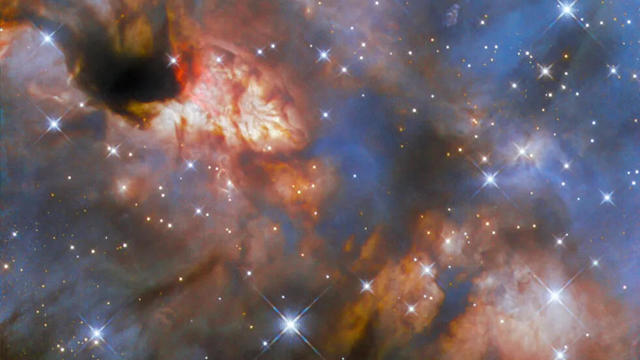
Stunning image shows star forming 5,900 light-years from Earth
The Hubble Space Telescope captured a bold photo of the likely star forming about 5,900 light-years from Earth.
Watch CBS News
The Hubble Space Telescope captured a bold photo of the likely star forming about 5,900 light-years from Earth.
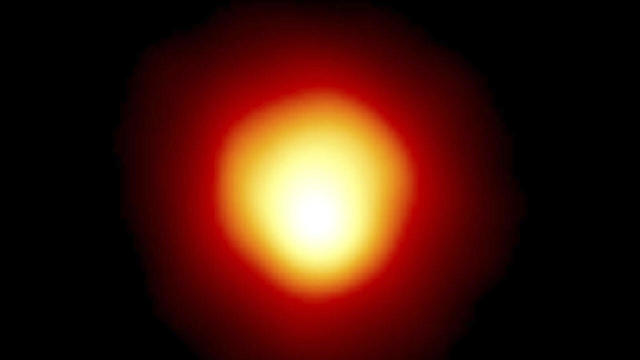
Betelgeuse, one of the biggest and brightest stars in the night sky, will momentarily vanish as an asteroid passes in front of it to produce a one-of-a-kind eclipse.
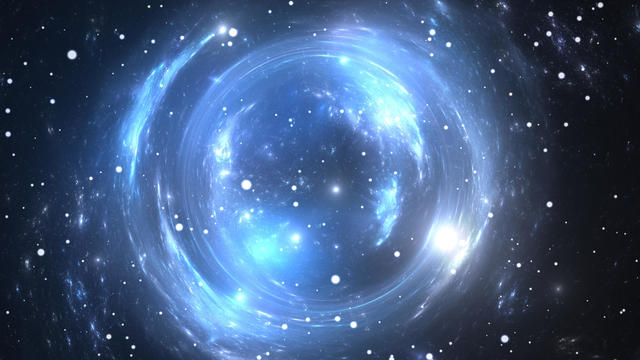
The "very rare" star explosion was so warped that it looked like multiple images in the sky.
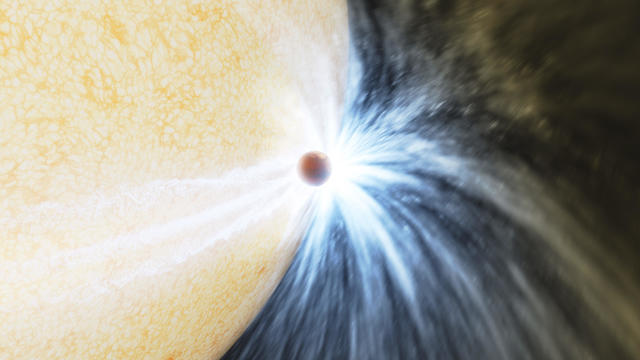
It's a gloomy preview of what will happen to Earth when our sun morphs into a red giant and gobbles the four inner planets.
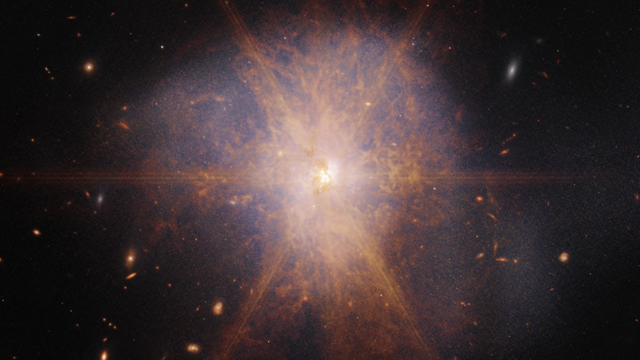
NASA said the collision of the two spiral galaxies began about 700 million years ago.

"The cow" is a rare kind of star explosion that happens when it's too bright and evolves too quickly: "Put simply, they are weird, and this new observation makes them even weirder."

If you're still looking for the perfect – or last-minute – way to celebrate Valentine's Day, look no further than the sky above.

Astronomers might have solved the mystery behind an unusually brightening star.
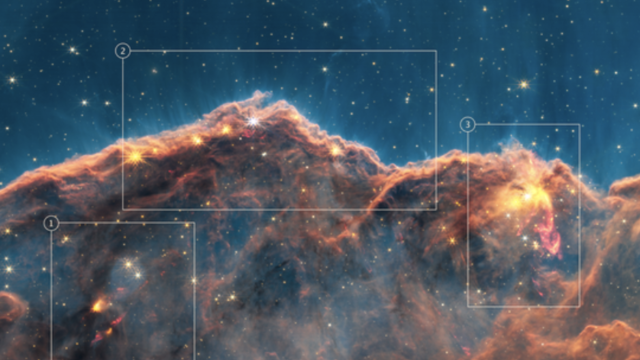
NASA was able to capture a "gallery of objects ranging from small fountains to burbling behemoths" deep in space: "It's like finding buried treasure."
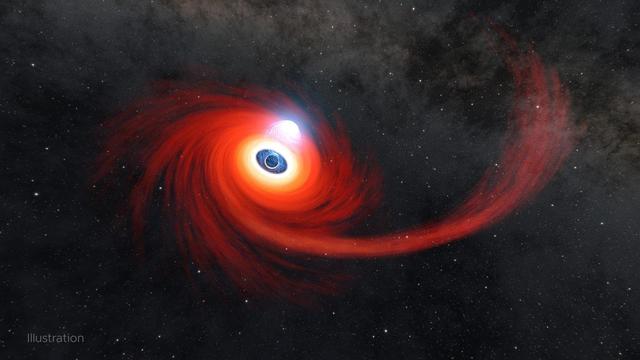
The tidal disruption event provided astronomers with an "unprecedented view" of how a corona is formed and evolves.

With the new system, researchers say people can "watch the surface of the star getting literally ripped apart in front of our eyes."
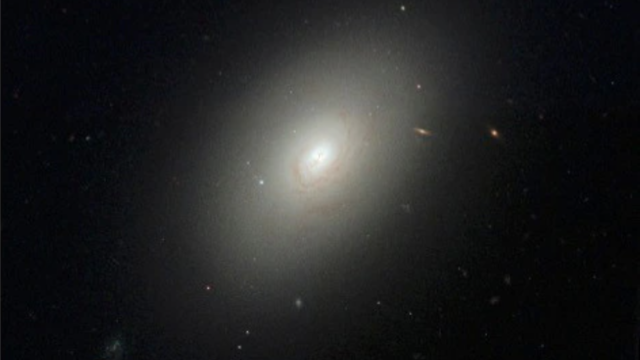
Finding the remains of ancient stars "was like trying to find the mythical elephant's graveyard," scientists say.
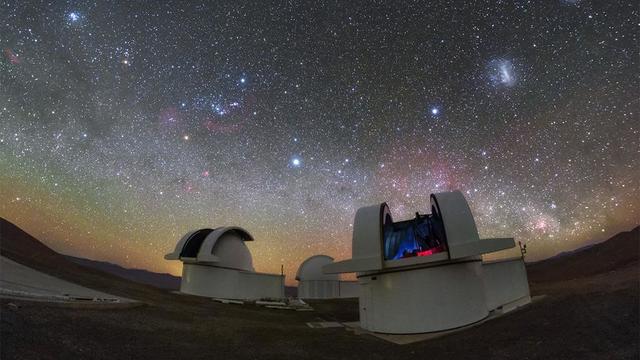
The "smallest and coolest stars in our solar neighborhood" could provide remarkable new information about the ability of a nearby exoplanet to sustain life.