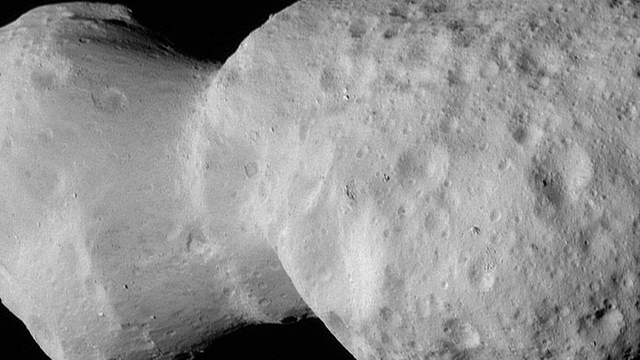
NASA images show peanut-shaped asteroid during high-speed flyby
This asteroid is bigger than scientists anticipated, about 5 miles long and 2 miles wide at its widest point — resembling a deformed peanut.
Watch CBS News
This asteroid is bigger than scientists anticipated, about 5 miles long and 2 miles wide at its widest point — resembling a deformed peanut.
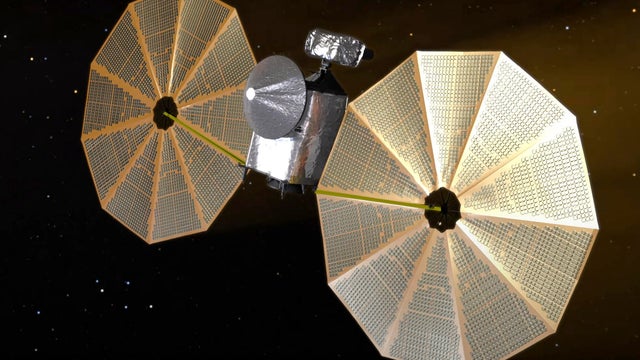
The flyby is a dress rehearsal for 2027 when Lucy reaches its first so-called Trojan asteroid near Jupiter.
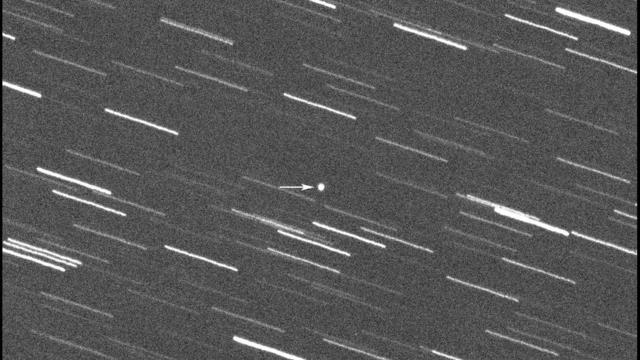
The 2024 YR4 asteroid has a near-zero chance of striking Earth, but a slim chance of hitting the moon, new research says.
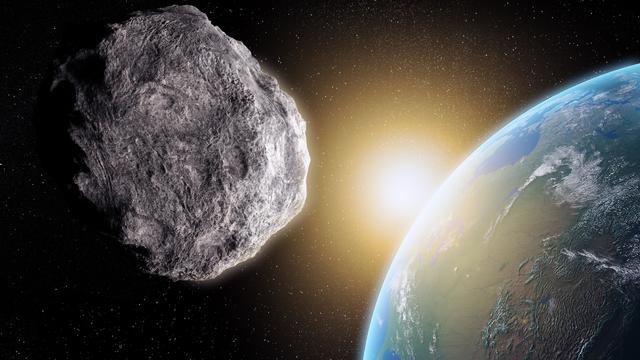
"An asteroid this size impacts Earth on average every few thousand years and could cause severe damage to a local region," the European Space Agency said.
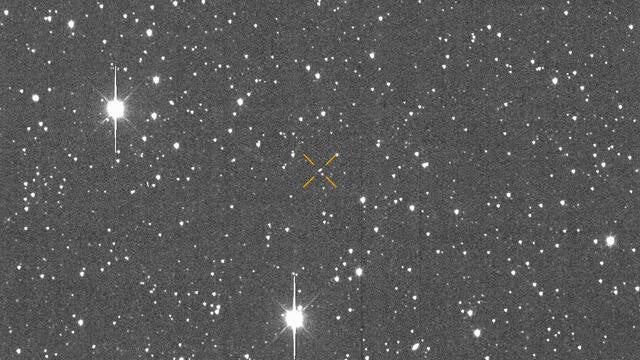
The asteroid 2024 YR4 has a very small chance of striking Earth when its orbit briefly intersects our planet's in December 2032.
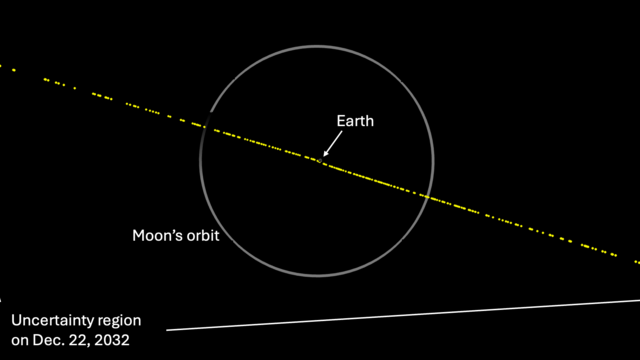
Astronomers will use the Webb telescope to closely monitor the size and trajectory of an asteroid that has a slim chance of hitting Earth in 2032.

A NASA spacecraft has returned asteroid samples that hold not only the pristine building blocks for life but also the salty remains of an ancient water world.
The asteroid, as big as a skyscraper and stadium, will pass within 1.7 million miles of Earth and you can see it on a NASA website.
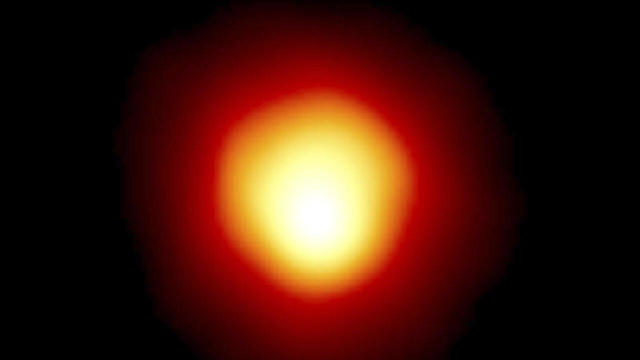
Betelgeuse, one of the biggest and brightest stars in the night sky, will momentarily vanish as an asteroid passes in front of it to produce a one-of-a-kind eclipse.

A capsule carrying NASA's first asteroid samples landed in the desert in Utah this morning.
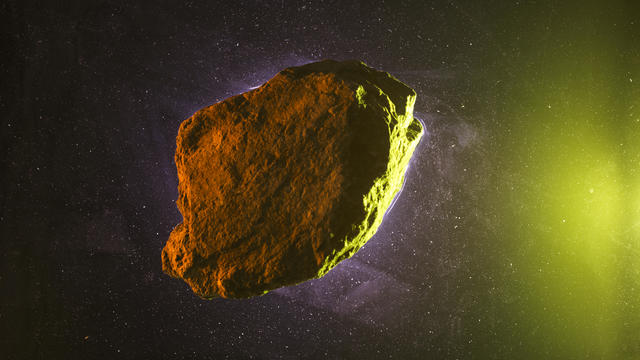
None of the asteroids pose any threat to Earth, according to NASA's Asteroid Watch dashboard.
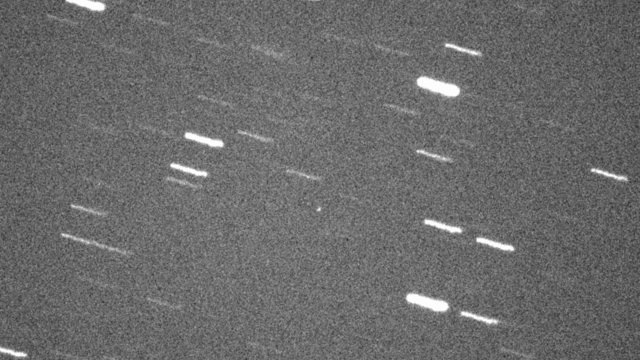
The asteroid appears small in the images but was estimated to be up to 30 feet in diameter, according to NASA data.
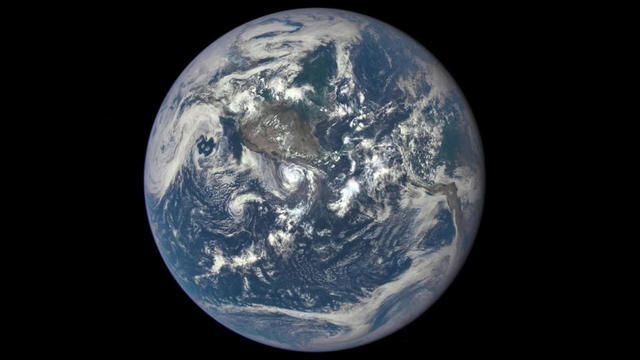
On hearing the words "city killer" and "asteroid" in the same sentence, you'd be forgiven for thinking something bad is about to happen.

Although an asteroid with the potential to cause significant damage if it hit a populated area is coming somewhat unusually close to our planet this weekend, it is on course to pass harmlessly between the orbits of Earth and the moon.
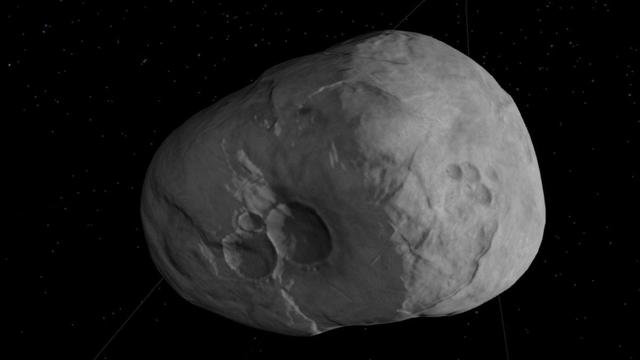
One astronomer said he believes there's about a "1 in 400 chance" the asteroid could impact Earth.
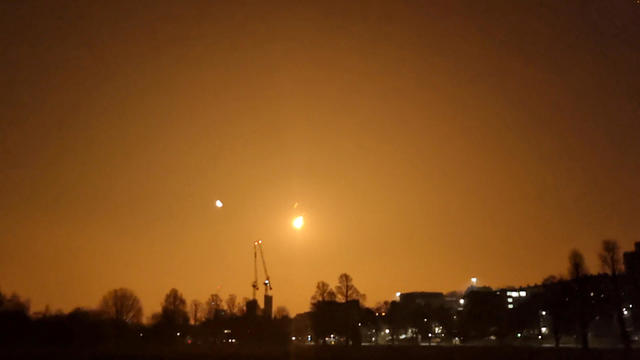
The 1-meter asteroid was discovered just hours before it hit Earth's atmosphere and almost 10 years to the day that an asteroid about 20 times bigger hit Chelyabinsk, Russia.
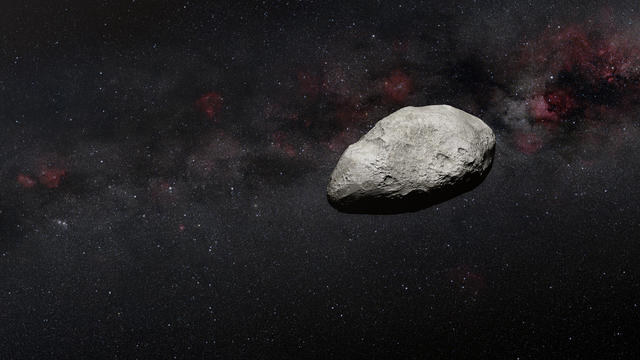
The James Webb Space Telescope has observed its smallest cosmic object to date — a previously unknown asteroid about the size of the Colosseum in Rome.
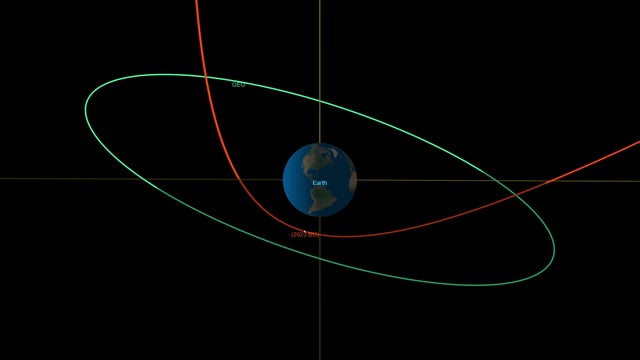
But it will miss, the space agency says, in one of the closest encounters of its type ever.
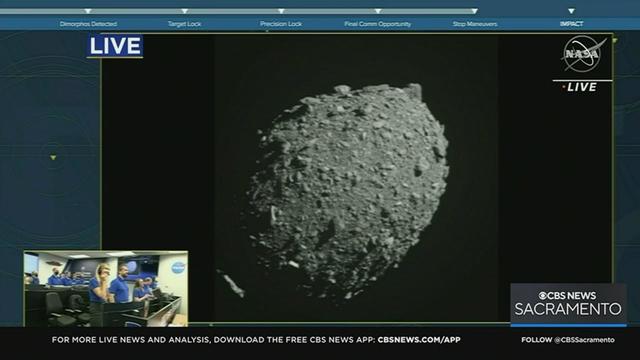
The goal of the mission was to send the asteroid off its path -- all in the name of planetary defense.
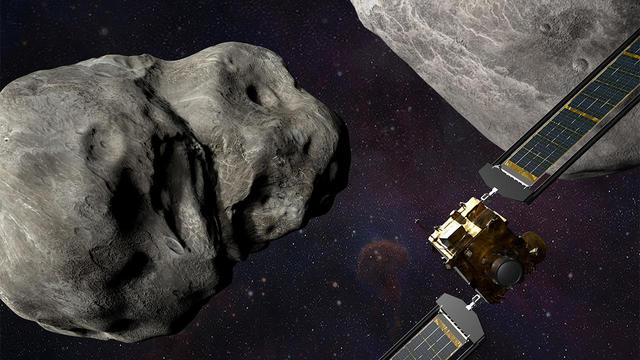
The DART spacecraft is set to purposely crash into an asteroid — a test for a potential real threat far in the future.