Researchers find never-before-seen ecosystem under Antarctic ice shelf
Scientists have determined that at least six new aquatic species have been thriving under an Antarctic ice shelf.
Watch CBS News
Scientists have determined that at least six new aquatic species have been thriving under an Antarctic ice shelf.
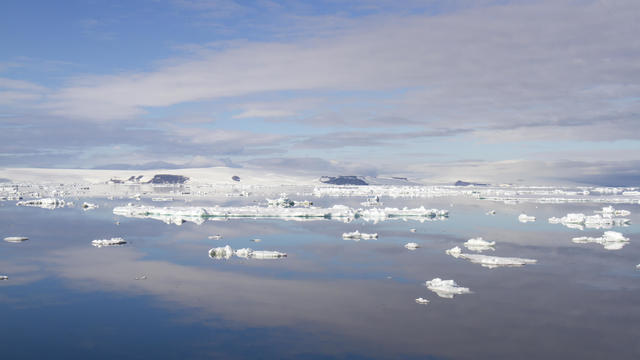
Scientists from the International Thwaites Glacier Collaboration warn of a "grim outlook" for the Thwaites Glacier, also known as the "Doomsday Glacier."
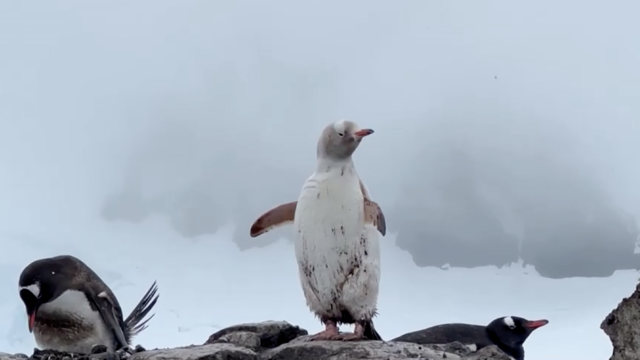
The rare condition could be deadly for the penguin, as it makes it easier for predators to hunt it, experts say.
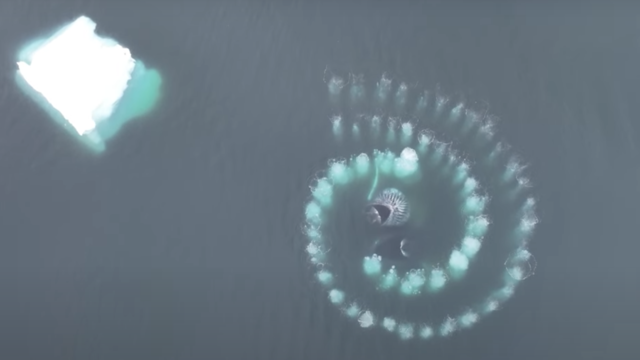
Two humpback whales used the "Golden Spiral" to go hunting – and it created a "mesmerising dance" that one lucky photographer says he'll never forget.
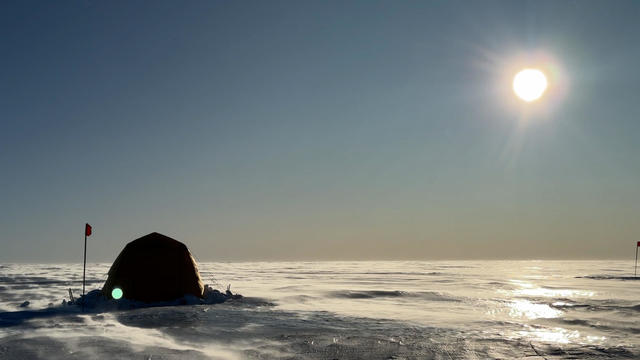
Their work near the South Pole means camping on the ice without showers or flushing toilets for seven weeks — but what we can learn about climate change there is essential to science.
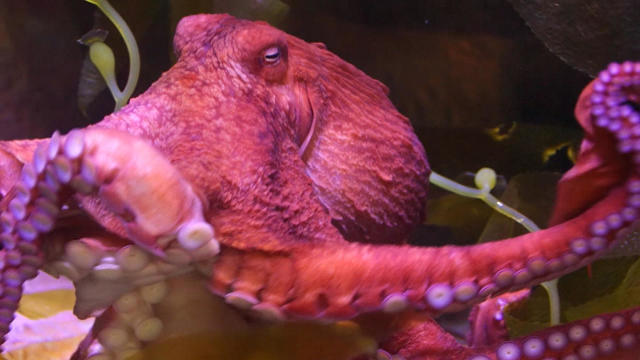
Sea level rise of 3.3 meters would drastically alter the world map as we know it, submerging low-lying coastal areas everywhere.
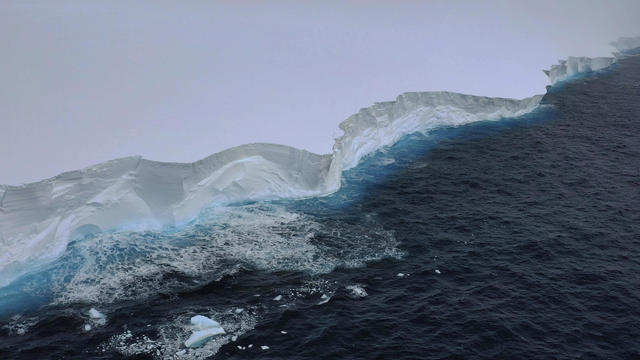
The sighting came just days after scientists declared the iceberg was "on the move" for the first time in 37 years.
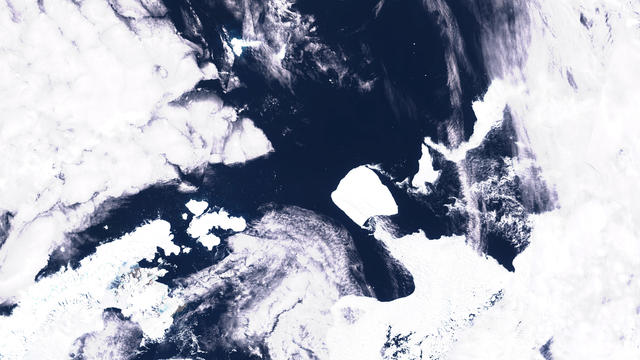
The iceberg, which once hosted a Soviet research station, split from the Antarctic coastline in 1986, but then became grounded in the Weddell Sea.
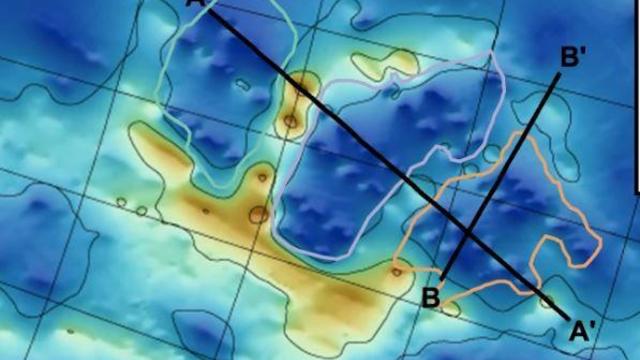
"No one's laid eyes on it," the lead author of the study said. "What is exciting is that it's been hiding there in plain sight."

A small, pencil-shaped robot gave scientists new insights about the Thwaites ice shelf and why it's melting so quickly.
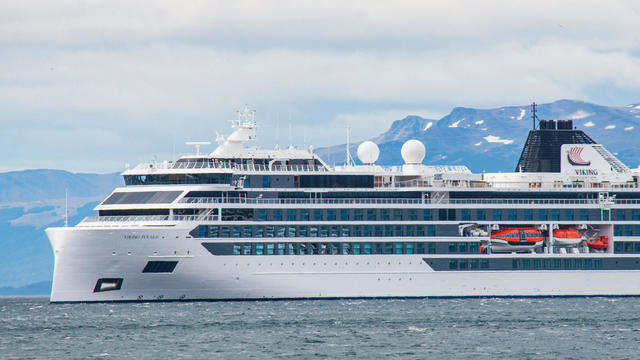
One passenger was killed and four injured when a "rogue wave" hit their cruise ship during a storm earlier this week.
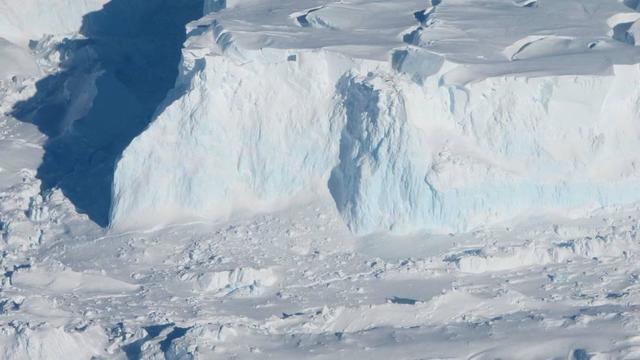
The Florida-sized glacier could have a major impact on sea levels, and scientists say the rate at which it's melting could rapidly increase in the coming years.

Fossil evidence shows the Antarctic coastline averaged 57 degrees some 40-50 million years ago.