San Joaquin County farmers feel impact of record-breaking diesel prices
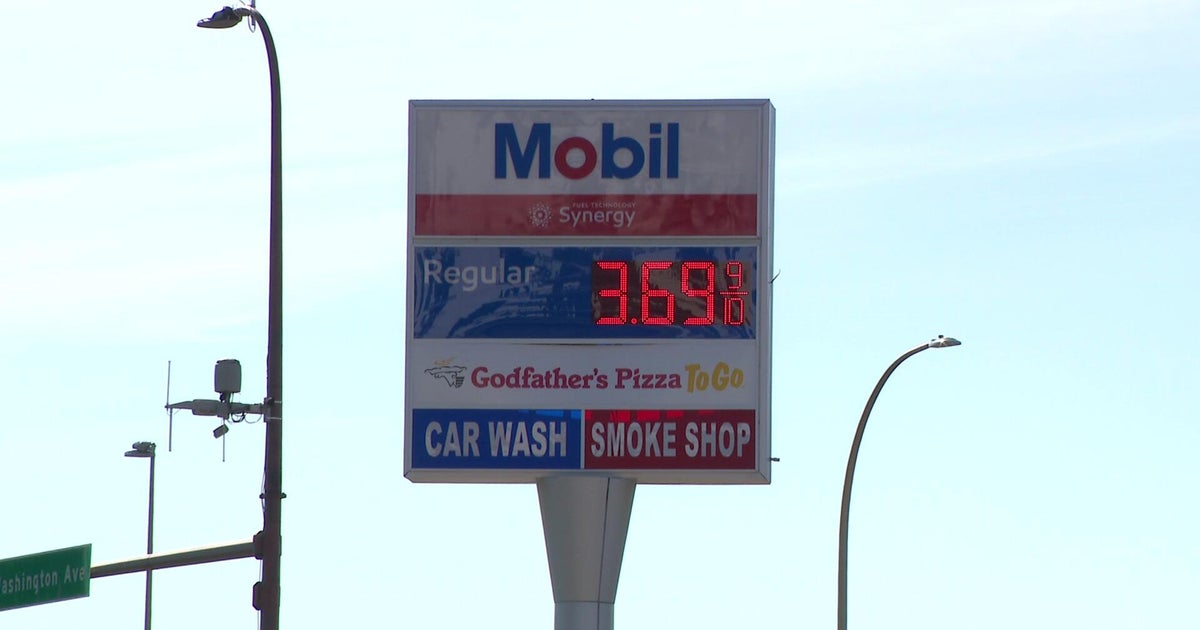
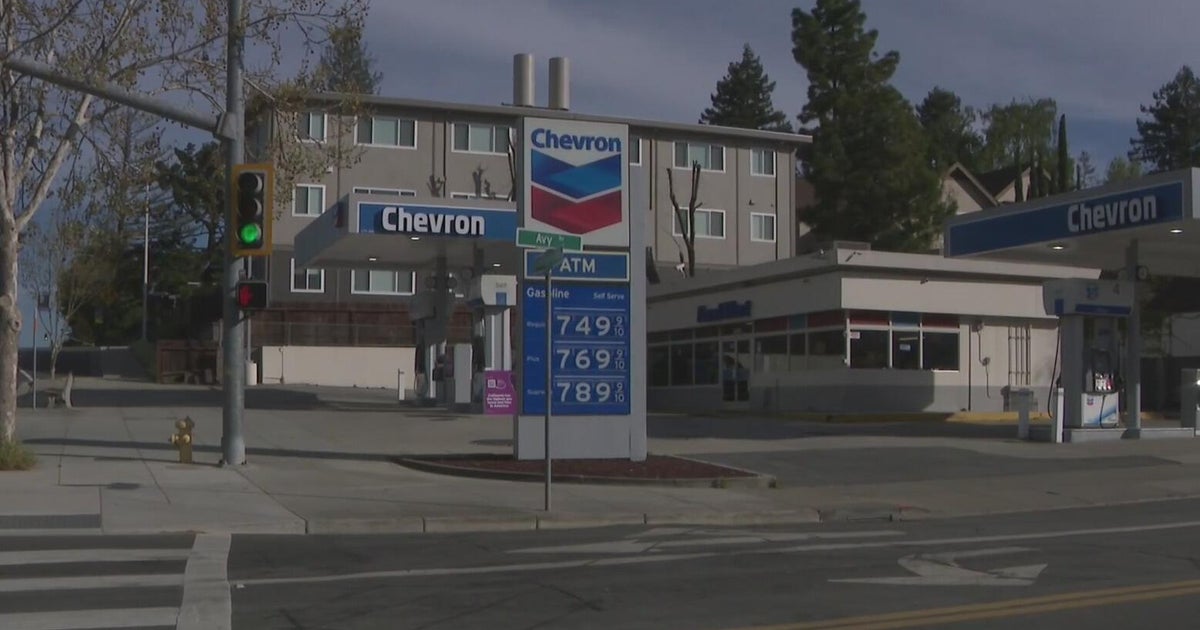
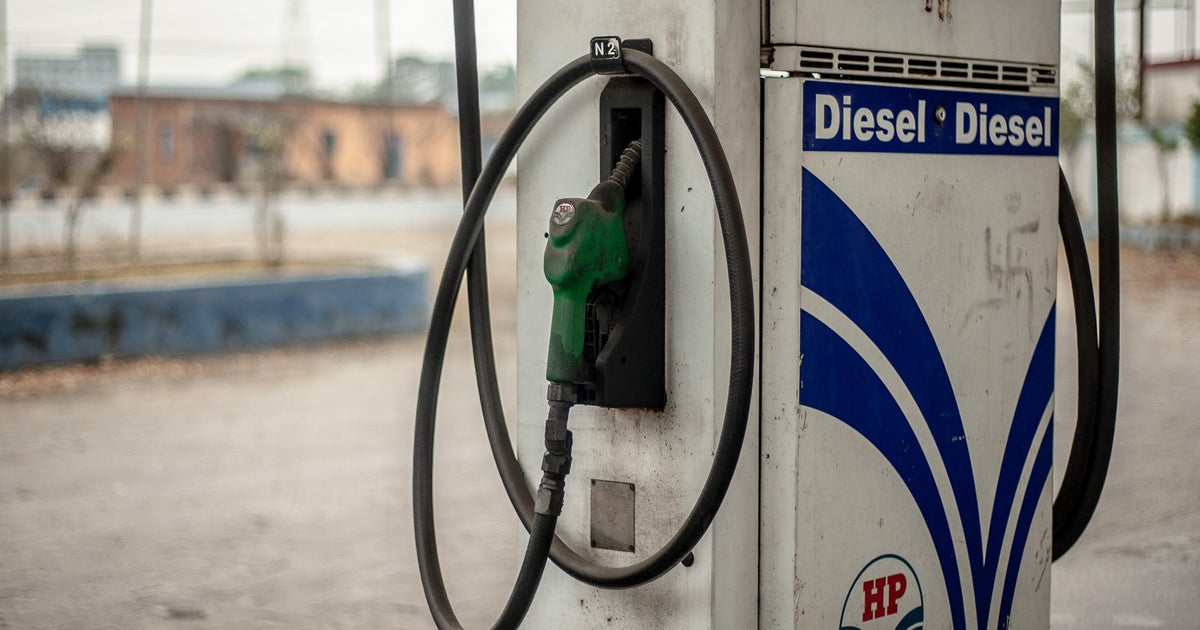
The average cost of a gallon of diesel fuel has soared to its highest level ever, according to insurance provider AAA. A gallon has now surpassed $7.
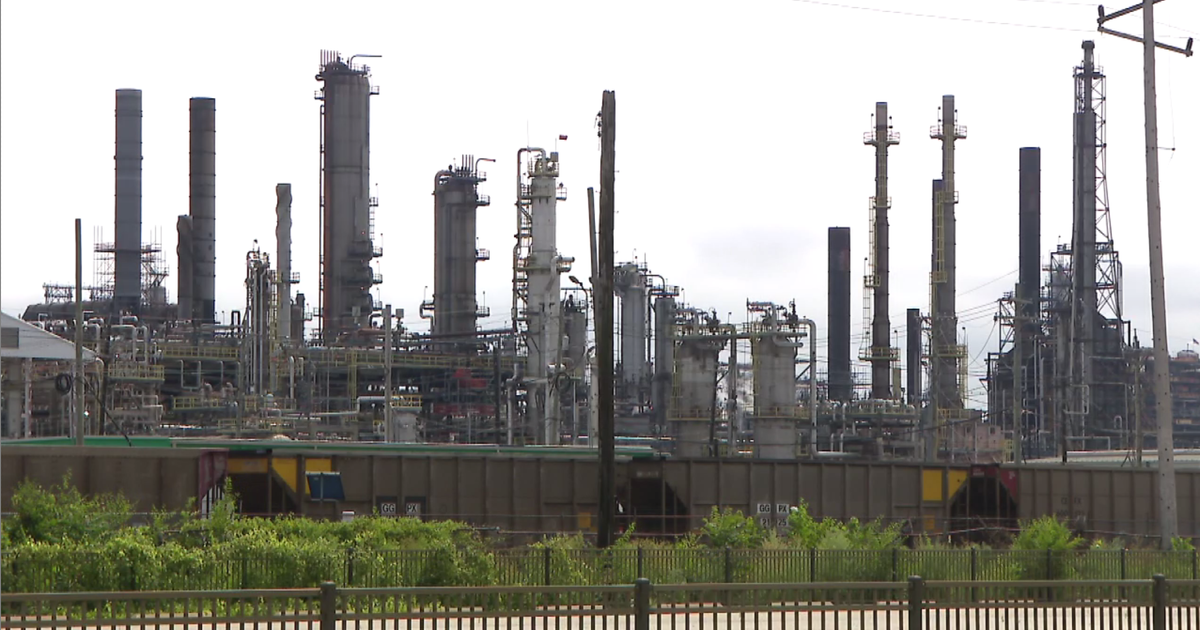
California continues to face limited refinery capacity amid the ongoing war in Iran, disrupting global shipments.
It's arguably the worst time for diesel prices to skyrocket.
"There's a lot of sleepless nights. There's a lot of stress, and people just trying to do the best they can," said Andrew Genasci, executive director of the San Joaquin Farm Bureau. "Anything that's coming onto the farm or leaving the farm is now more expensive."
According to AAA, this new price has topped all previous records, including the first few months of Russia's war in Ukraine in 2022.
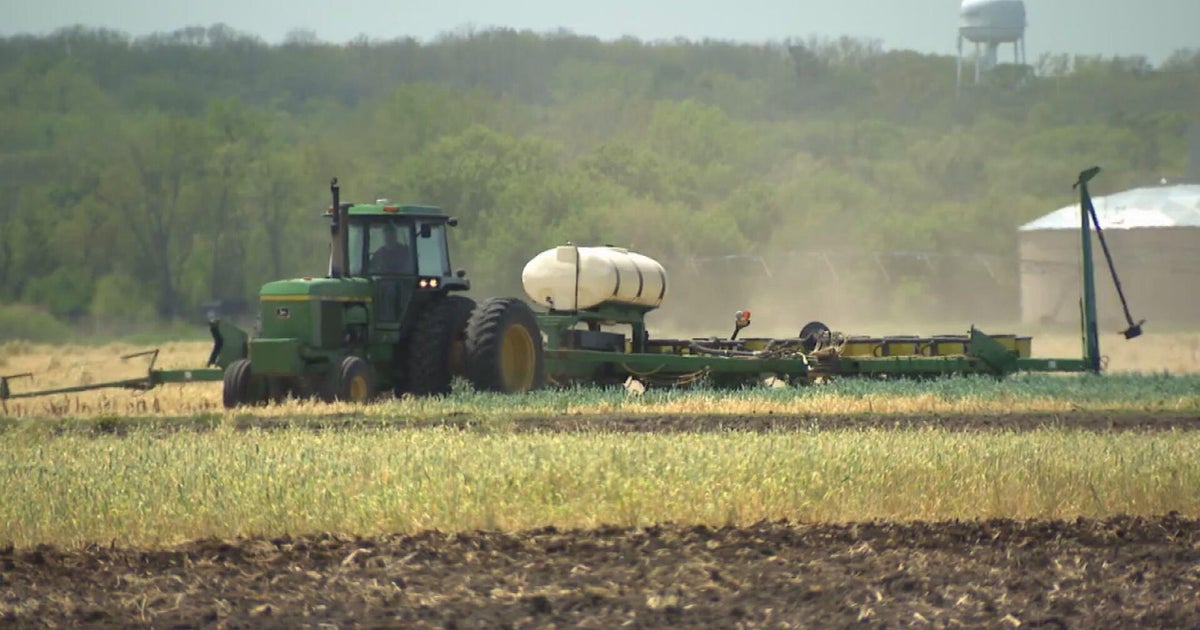
Those feeling it the most are those who provide the food supply to much of the United States: farmers.
"Talking to a member who does custom harvesting, they run through about 1,000 gallons of diesel a day this time of year when they're dealing with the winter forages," Genasci explained. "A lot of harvesting is happening right now for dairies, and so they're going to have to start tacking on fuel surcharges just to pay the bills."
Genasci says farmers don't have many options to pass these expenses along.
"Food just going to be more expensive in the grocery stores, and that money is not trickling down to the farmer," he said.
The farm bureau says high oil prices, high taxes and low refinery space in California are creating a perfect storm.
For the average San Joaquin County farmer, this is just another blow.
"You had already poor prices, no contracts, and the weight of trying to make decisions that really likely could decide whether you survive as a farmer or not here in the next couple of months or even the next couple of weeks," Genasci shared. "That's all just weighing on people right now."
With no end in sight, all farmers can do now is be smart and patient.
"I wish I had the 'Oh, do this and you'll save money.' I think people are just doing what they have to do," Genasci continued. "This time of year and with the heat we've had, things are rocking and rolling out there. You really don't have much of an option."
A lot of oil is being held up by the closure of the Strait of Hormuz in the Middle East. Even if the strait opened now, all that oil still needs to make its way through the refineries, which means prices wouldn't immediately drop.