
Study Finds E-Cig Flavors Can Damage Cardiovascular Cells
E-cigarette flavors can damage the cells that line your blood vessels and perhaps your heart health down the line, according to a new study of human cells in the lab.
Watch CBS News
E-cigarette flavors can damage the cells that line your blood vessels and perhaps your heart health down the line, according to a new study of human cells in the lab.

Women often complain that the office temperature is too low -- but it's not just comfort that's at stake.

Your diet may have more impact on your cancer risk than you might think, a new study has found.

Summer is almost here and that means there's a good chance you'll soon be taking a dip in the pool to cool off. But beware before you get in.
Cannabidiol, the non-psychoactive ingredient in hemp and marijuana, could treat opioid addiction, a new study says.

As the number of American adults dying of cancer continues to decline, the number who are dying of heart disease is on the rise, according to a new report.

Belgium's Royal Academy of Medicine recommended last week that children, teens, pregnant women and nursing mothers do not follow a vegan diet.

Little Caesars is joining the plant-based protein trend with a pizza topped with non-meat sausage.

A new study links drinking too many sugary beverages -- and even 100% natural fruit juices -- to an increased risk of early death.

Over 20 million babies around the world — about 1 out of every 7 — were born underweight in 2015, a slight improvement over rates in 2000 but not enough to meet goals and prevent global health consequences, according to a new study.
A study finds that teens who have obesity surgery lose as much weight as adults who have the operation and are more likely to have other health problems go away.

Several tattoo inks have been recalled after they were found to be contaminated with bacteria, the Food and Drug Administration has announced.

Bedbugs roamed the earth with dinosaurs but the tiny blood-sucking pests likely didn't bother T. rexes and their kin, scientists say.
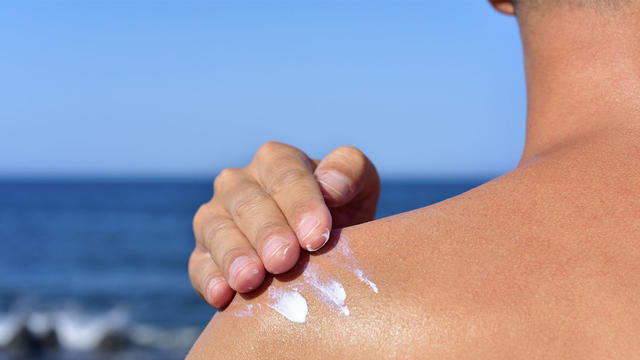
Nearly two-thirds of all sunscreens evaluated by the Environmental Working Group would not pass safety tests proposed by the US Food and Drug Administration.

There's no effective treatment for dementia, which affects 50 million people worldwide, but the World Health Organization says there's much can be done to delay or slow the onset and progression of the disease.