Nearly 9,000 teachers in Pennsylvania left the profession in 2024. Experts reveal possible reasons why.
Last year, nearly 9,000 teachers left the profession in Pennsylvania. That's about 7% of teachers working in the commonwealth.
Like a math problem on a final exam, the question of why teachers are leaving is complex. But unlike an exam, there isn't one right answer to the problem.
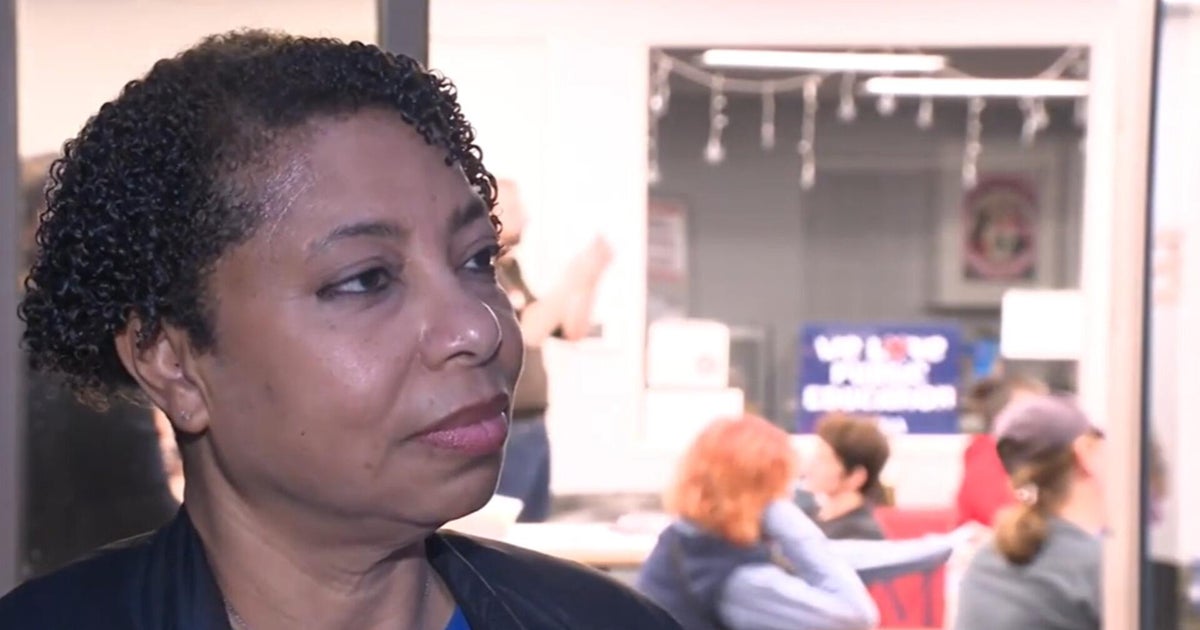
"In our world, we have a ton of problems, and there's hardly ever one band-aid solution that'll work," Yazmin Dalsimer, a former teacher in Pittsburgh, said.
Stagnant teacher salaries, poor working conditions, opportunities in higher-paying careers and a lack of support for new teachers are factors in the subtraction.
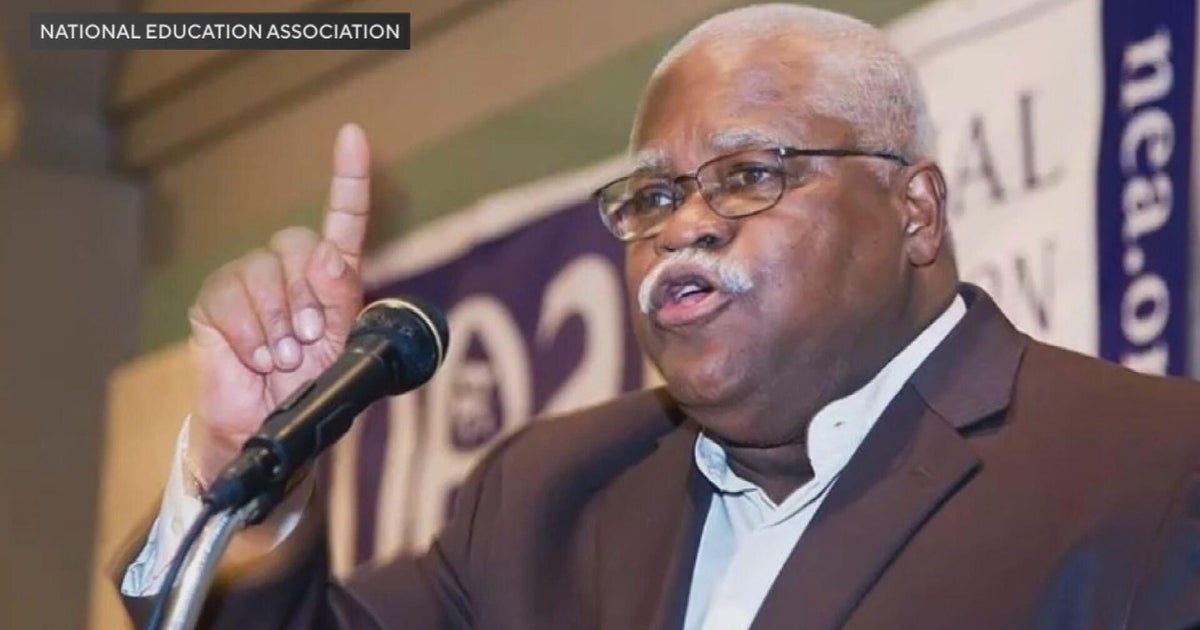
"Why would I subject myself to this?" Professor Edward Fuller said. "I can go work somewhere else and make about the same money and not have to deal with that?"
Fuller teaches future educators at Penn State's Center for Education Evaluation and Policy Analysis. He also studies why people do not become teachers.
"College has become increasingly expensive," Fuller said. "When tuition goes up, now it's like, well, I'm going to go into a profession that doesn't pay great."
Why teachers leave
On top of the 9,000 Pennsylvania teachers who left the profession last year, 9,500 left the year before.
The number of newly-certified teachers is nowhere near what it'll take to replace them; just 5,600 certifications were issued last year.
"There are so many obstacles, not just in Pennsylvania and Pittsburgh, all over the country," Dalsimer said. "Why would anybody want to be a teacher?"
Dalsimer taught for more than 10 years in New York City before moving to Pittsburgh in 2017. She eventually got a job teaching at an elementary school in Larimer, where she worked until 2022.
"There's just not enough compensation for the amount that teachers have to do," she said. "I had kids who had learning disabilities, health issues like diabetes, and parents needed support."
One stopgap measure school districts are increasingly turning to is emergency certifications that do not require a teacher to have gone through a program or spent time as a student teacher.
"We can flood schools with teachers," Fuller said. "They won't teach very well, but we'll have more than enough teachers, and that's what we have now in Pennsylvania. We have over 8,000 people on emergency permits. But they're not certified to teach."
Fuller said in southwestern Pennsylvania, the teacher shortage is "not as bad" as it could be.
"Part of it is because nobody's moving to the western part, right? So, it's easier," Fuller said. "You don't have to find additional teachers on top of the ones you already have."
In Allegheny County, where there are more than 10,700 teachers, the Pennsylvania Department of Education estimates there's a shortage of 397, with 3% of teachers on emergency permits. Compare that to Philadelphia, where there's a shortage of nearly 3,600 teachers, with nearly 25% on emergency permits.
Teachers call for support
Dalsimer said beyond the baseline of better salaries, young teachers need mentors and support.
"How are we compensating and thinking about compensating teachers that want to coach younger teachers?" Dalsimer said. "How are we compensating younger teachers who are great leaders, grow quickly and want to be a part of admin?"
One approach is certifying more teachers and paying them while they're learning. Last year, lawmakers increased funding to $20 million to support more than 2,100 student teachers with $10,000 stipends. However, the state says more than 4,000 student teachers applied.
Gov. Josh Shapiro's proposed budget for 2025-26 would double the program's funding to $40 million, but the budget is still in front of the legislature, past its deadline by more than a month.
"That's what I mean by we're not prioritizing education in this country," Dalsimer said. "If we would, we would see more for teachers to be able to get through the certification requirements, these things that cost money. We would see their salaries going up higher."
Fuller says the impact of having more qualified teachers in classrooms is enormous on kids' education outcomes. He says research continually shows that, aside from parents, teachers are the most important factor in influencing student learning.