Pitt's Healthy Home Laboratory just looks like an old home. But here's what goes on inside.
Many students in Pittsburgh are doing great work and research at many of the city's universities. That includes the University of Pittsburgh, where some of society's sharpest minds are trying to find solutions to improve accessibility in homes.
One of the homes on Oakland Avenue is not like the others in some ways.
"We do have students that walk past every day," said Dr. Pam Toto, director of the Pitt Healthy Home Laboratory. "And they do wonder what's going on in that laboratory."
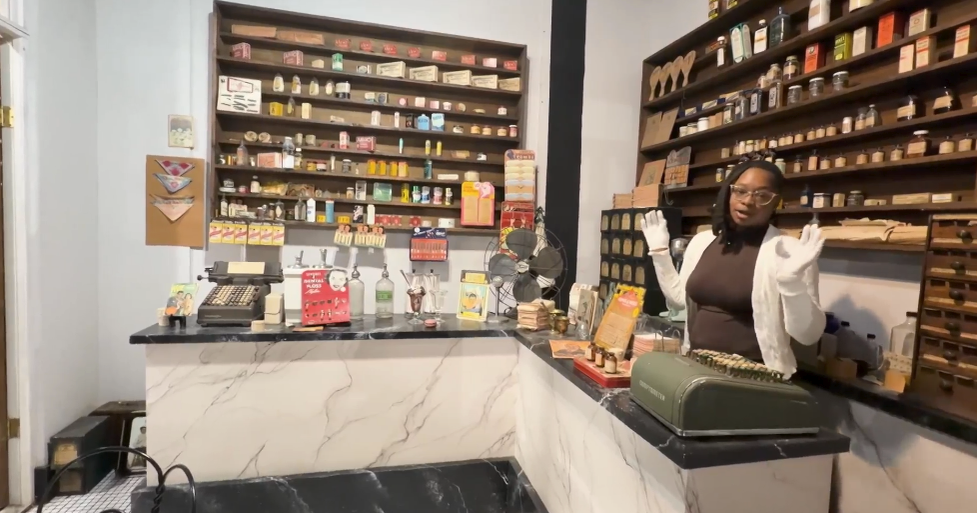
The home that the Pitt Healthy Home Lab sits in is more than a century old, but Pitt purchased it in 2022. The home's age comes with many challenges.
"Steep stairs, narrow hallways, doorways that can't accommodate a walker or a wheelchair," Toto said.
Toto added that the challenges presented are very typical of a lot of homes in the city. Inside the lab, researchers test technology and tools. It's stuff that helps older people.
"There may be engineers or physicians or occupational therapists here testing new products or evaluating products or just figuring out how they work in a big old house," Toto said.
Devices are checking for things like mold, and there are also devices meant to check on older loved ones.
The researchers are also trying to develop new technology. There's currently an adaptable rail system being tested on the second floor. The middle section of it can be removed, and a grab bar or other assistive aid can be dropped in with it.
"It's something that's in early prototype, and we're trying to get it to market," said Zachary Roy, a research engineer and product coordinator with the Healthy Home Lab.
Feedback on all the products may come from engineers, physicians, along with students. They may also come from consumers.
"We get to show them all these types of things, get to hear their thoughts and problems they're experiencing," Roy said.
The people at the lab care about functionality. They want people to use the products.
"We have to make it better for people and that they're not afraid to share some struggles that they're having because there are solutions that work," Toto said.
It's an important undertaking. U.S. Census Bureau data from 2019 show about 40% of American homes meet basic criteria for being aging-ready. The Northeast trails other regions when it comes to the percentage of aging-ready homes.
"We build houses vertically instead of broadly," Toto said.
The lab's director believes the students who study here come away more thoughtful and more "honest."
"It makes them more aware of the solutions that exist," Toto said.
They're solutions they can't advocate for without first realizing problems in the first place.
"Our end game is always to take what we're learning here and to implement it into society to promote change," Toto said.