Why is snow white? | Hey Ray
After it snows, I usually get a lot of great questions, including one from Jerry, who asked me a question I get asked a lot.
Jerry asked:
"Hello, Ray, I enjoy your Hey Ray segments. Why is snow white and water clear? Where does all the white go when the snow melts?"
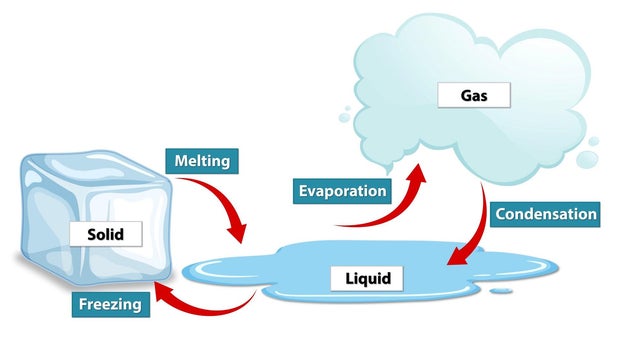
Snow is made of water. It is just frozen. When finding out why you can see through one but not the other, their state is important.
Liquids, solids, and gases are all different states of matter.
Water can be in each of those states. Liquid water, steam, which is water that is in the form of gas, and ice is water that is in the form of a solid.
Ice is frozen water, like snow, but you can kind of see through ice like water.
What makes snow so special to get a color?
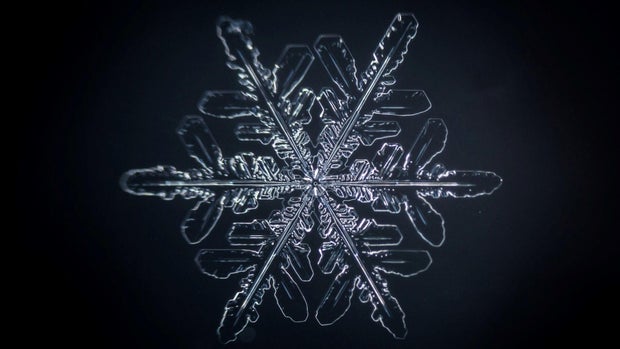
It comes down to snow being made of tiny ice crystals. According to the National Weather Service, when a water droplet in a freezing atmosphere comes into contact with a nucleus, like a speck of dust or pollen, an ice crystal is formed.
As the ice crystal falls to the ground, water vapor freezes onto the primary crystal, building new crystals, creating the six arms of the snowflake!
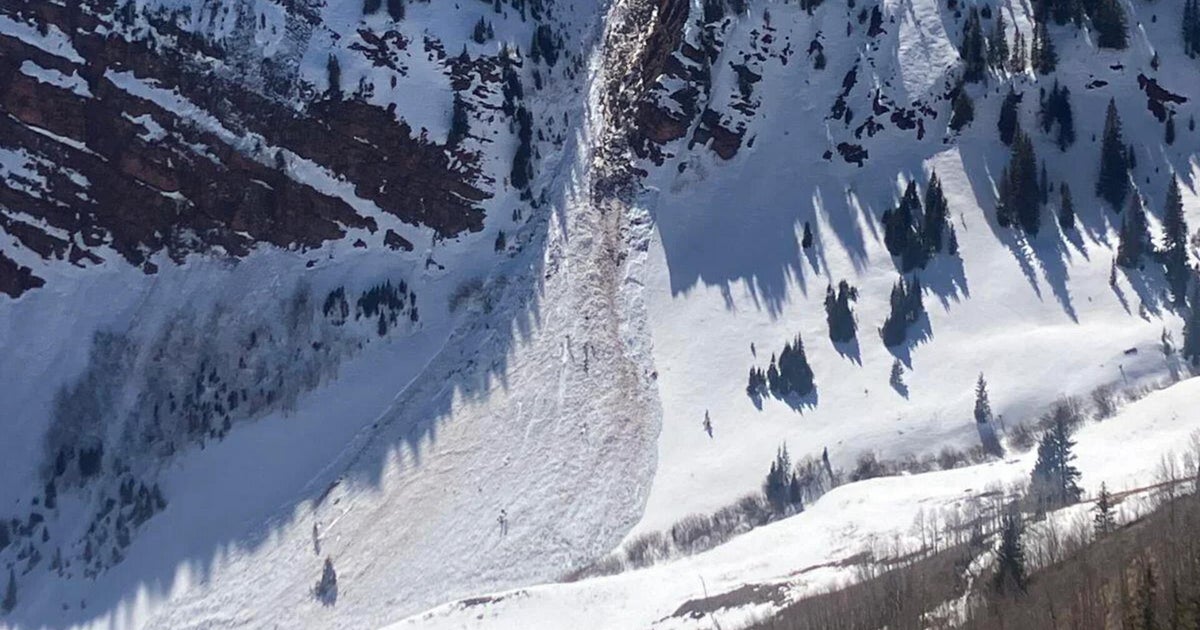
Under a microscope, a snowflake looks kind of clear. When you stack billions of them together, like a snowfall, you get the white color.
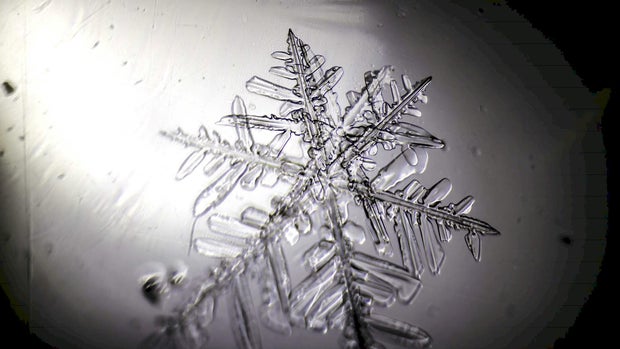
This is because light is uniformly and very efficiently reflecting all the visible light. Remember, we see colors because objects absorb some light and reflect others.
You see a yellow banana because some of the light waves are absorbed by the banana, and the yellow light waves are reflected.
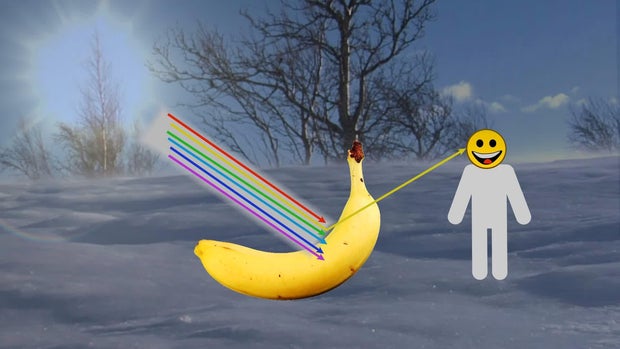
White light is composed of all the colors in the visible spectrum. This means all the ice crystals in the snow are reflecting most of the visible light, making it appear white!
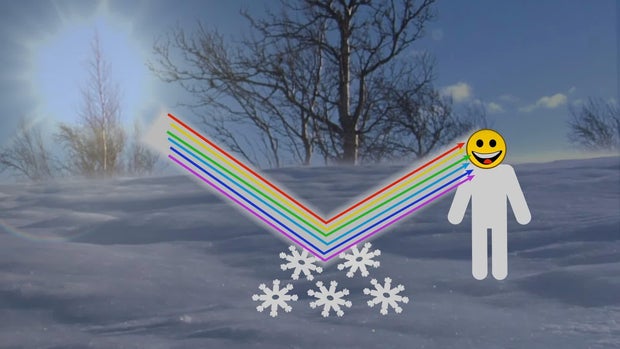
Here's something crazy sounding: snow can also appear blue!
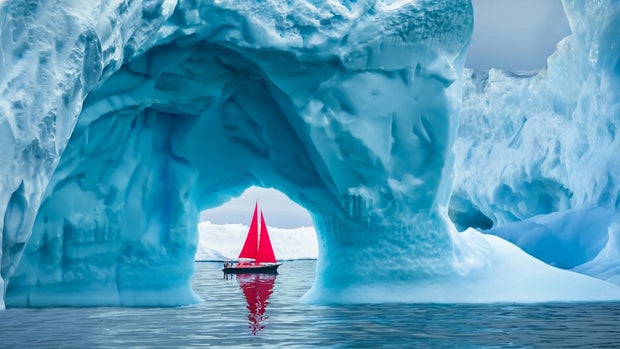
The National Snow and Ice Data Center says if light is traveling a distance over snow, it can be scattered many times over. While this is happening, if more red waves are absorbed than blue waves, the snow will take on a blue appearance.
Whether it is white or blue, snow loses its color when it melts because it changes back to liquid water, which isn't as good at reflecting light as the ice crystals are.