NASA, ESA, A. Nota
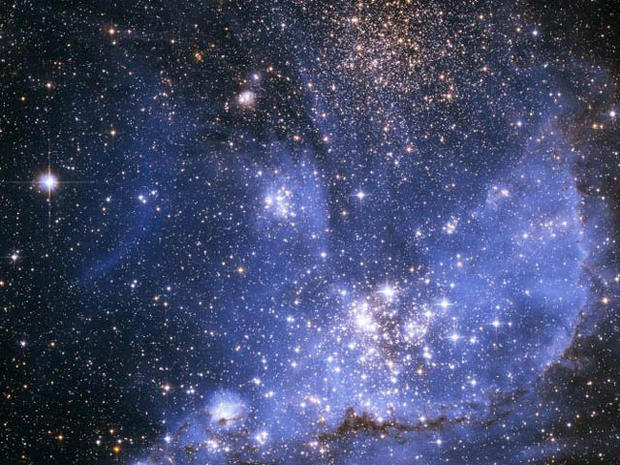
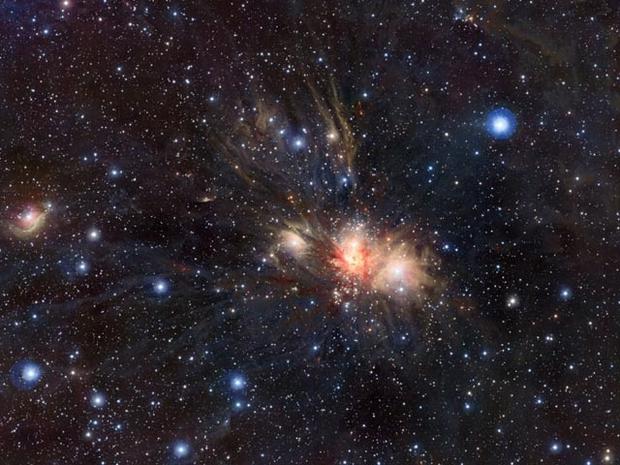
Found among the Small Magellanic Cloud's clusters and nebulae NGC 346 is a star-forming region about 200 light-years across, pictured above by the Hubble Space Telescope.
ESA
A European team of astronomers has measured the distance to the most remote galaxy so far. The galaxy they found was 13.1 billion light years away from Earth.
NASA
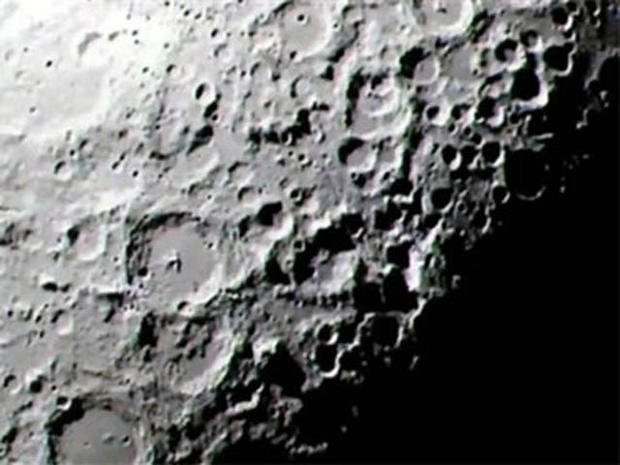
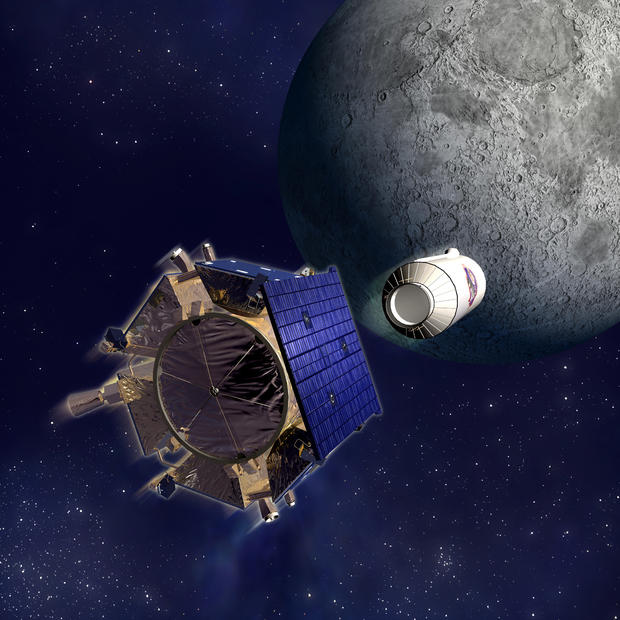
This is a shot of the lunar South Pole, which was targeted by a Centaur rocket aimed at a dark crater on the moon's surface. Measurements of the resulting plume of dust, debris and vapor showed evidence of water. NASA says there may be 1 billion gallons of water in the crater that was hit.
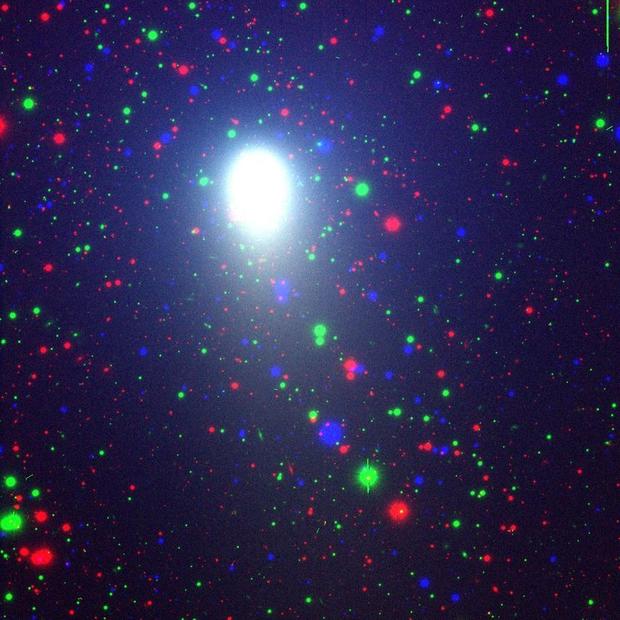
Image of 103P/Hartley obtained with the Suprime-Cam on Subatru Telescope
JAXA
An unknown bright new celestial body was seen in the brighter part of this X-ray image observed by Japan's MAXI sky skanner.
NASA
Last year on October 9, NASA's Lunar Crater Remote Observation and Sensing Satellite) intentionally crashed its upper stage into a crater near the lunar south pole. Scientists wanted to measure debris from the bottom of the crater. The vehicle hit the surface at over 5,600 miles per hour, sending up a plume of material over 12 miles high.
JPL/NASA
Alaska's Susitna Glacier imaged by NASA's Terra satellite. This satellite image combines infrared, red, and green wavelengths to form a false-color image. Vegetation is red and the glacier's surface is marbled with dirt-free blue ice and dirt-coated brown ice.
NASA, ESA
Although spiral-shaped galaxies abound, no two look exactly the same. This face-on spiral galaxy, called NGC 3982, is striking for its rich tapestry of star birth, along with its winding arms.
NASA/JPL-Caltech
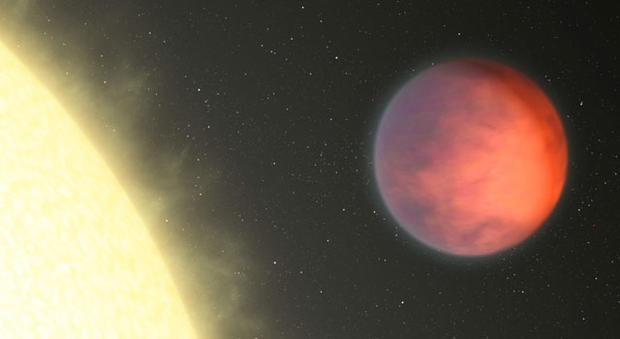
A surprise discovery: NASA's Spitzer Space Telescope found that the hottest part of a distant planet, named upsilon Andromedae b, was not subject to the glare of its host star, as might be expected.
Spectrum Astro
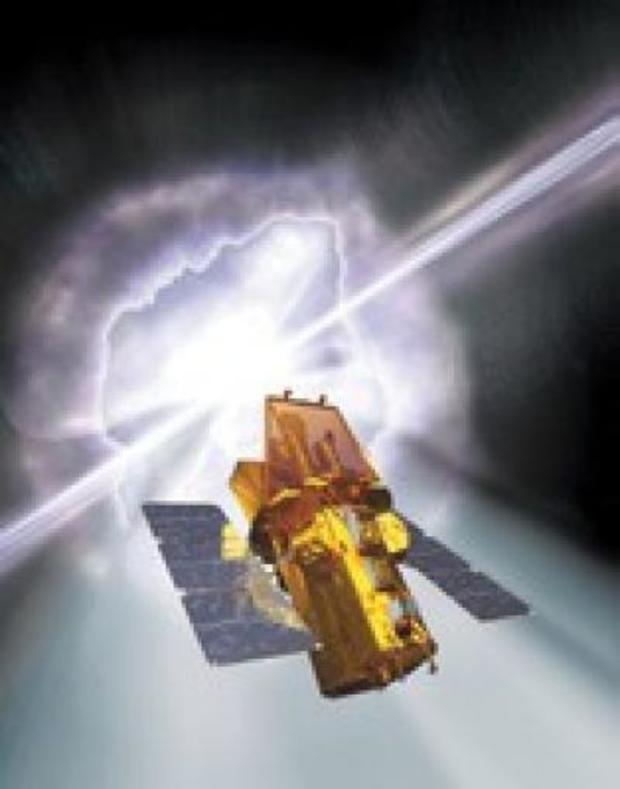
Artist's rendering of the Swift spacecraft with a gamma-ray burst going off in the background.
Harvard-Smithsonian Center for Astrophysics
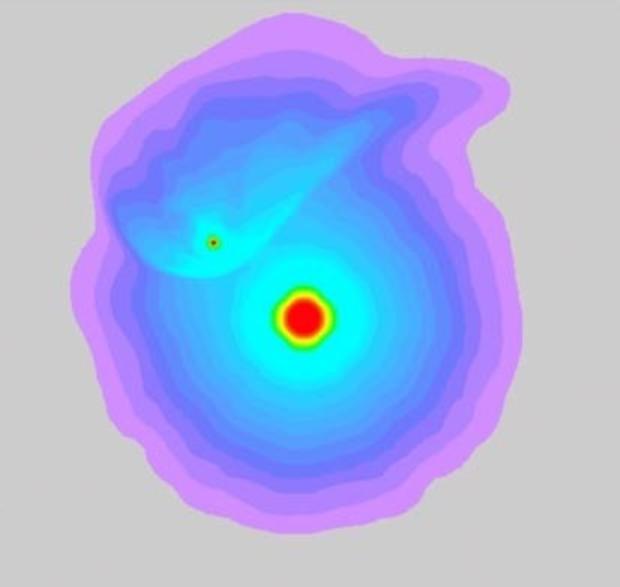
Astronomers have counted 278 giant planets who atmospheres are heated to thousands of degrees because of their relative proximity to the stars they orbit. Their nickname: Hot Jupiters. Using the XMM-Newton satellite to observe one hot Jupiter system located about sixty-three light-years away, they published a computer simulation of the magnetic field strengths of a star affected by the presence of a hot planetary companion orbiting nearby.