CBS/Ed Forgotson, Jr.
One literally travels to the ends of the Earth when venturing to Antarctica, where Man's toehold is tenuous at best.
It's been one hundred years since the first explorers reached the South Pole - and it's still an adventure getting there.
CBS/Edward Forgotson
A century ago, two nations embarked on a race to the most remote, most inhospitable destination on Earth. Roald Amundsen led Norway's expedition, blazing their way to the South Pole, claiming victory on December 14, 1911. Captain Robert Falcon Scott and his British team arrived at the pole just over a month later - only to discover Amundsen's tent and Norwegian flag. Second place was cold comfort indeed: Pummeled by storms and starvation, Scott and his men perished on their return.
CBS/Ed Forgotson, Jr.
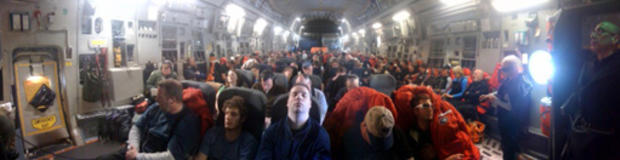
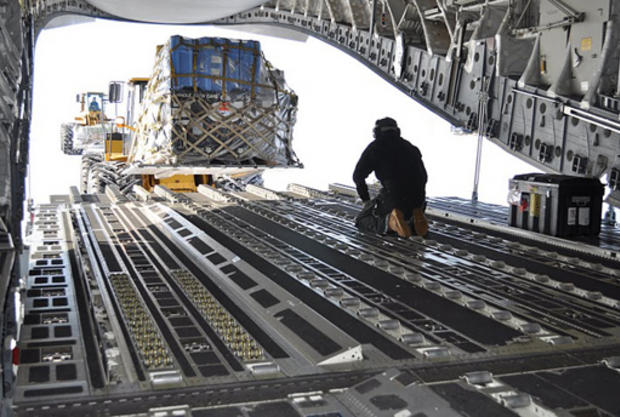
A comfortable ride in an Air Force C-17 Globemaster. It's a five-hour flight from Christchurch, New Zealand to the main U.S. station on Antarctica.
CBS/Edward Forgotson
Science may be Antarctica's number-one mission now, but it wasn't always that way. This icy land was once hotly contested turf during the Cold War. Starting in the 1950s, the U.S. military launched a program to flex its operational muscles in this icy place, called "Operation Deep Freeze."
Since then, the entire continent has come under international control; cooperation is the watchword today.
CBS/Edward Forgotson
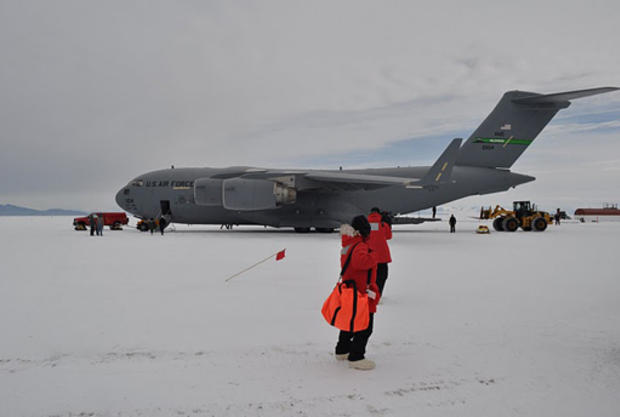
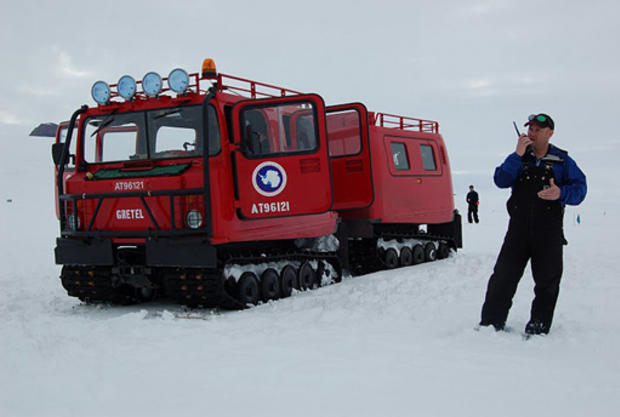
Transports from the ice runway to McMurdo Station.
CBS/Edward Forgotson
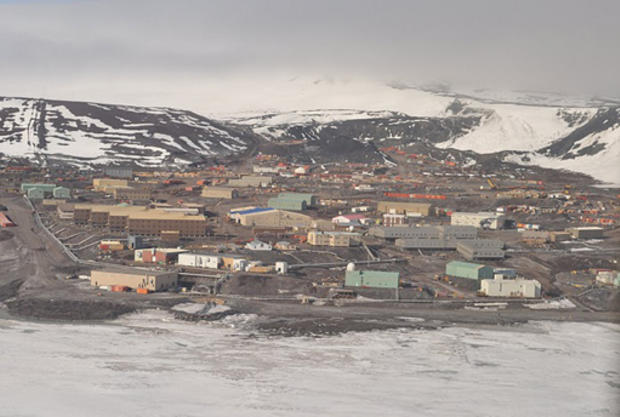
McMurdo Station, a coastal station on Ross Island, is the main U.S. base in Antarctica, and serves as a supply link to inland stations and remote field camps.
CBS/Edward Forgotson
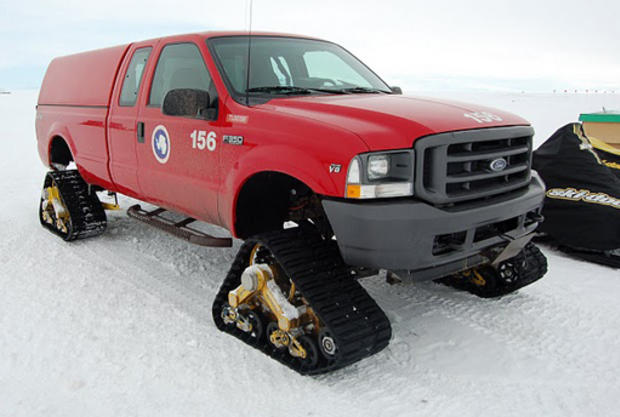
Darwinian adaptation to the elements, with a little help from treads.
CBS/Ed Forgotson, Jr.
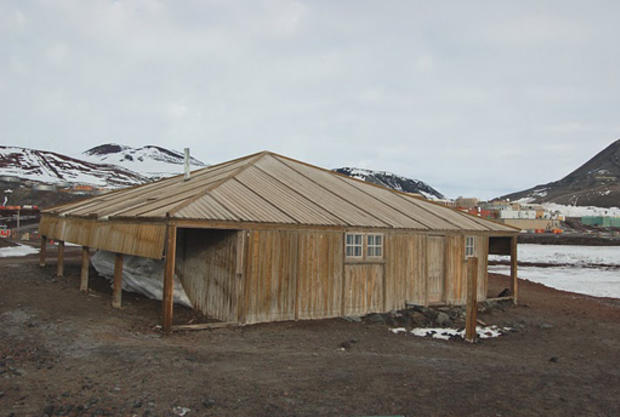
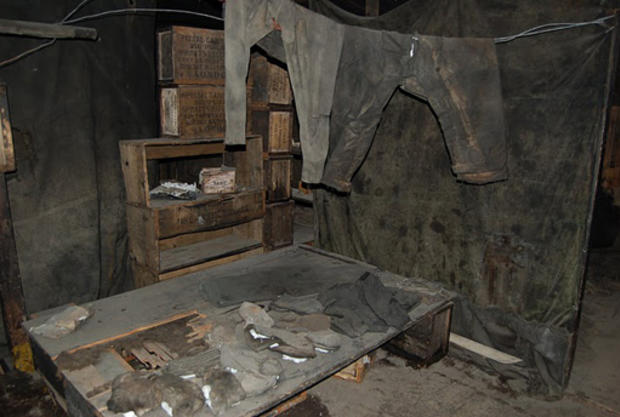
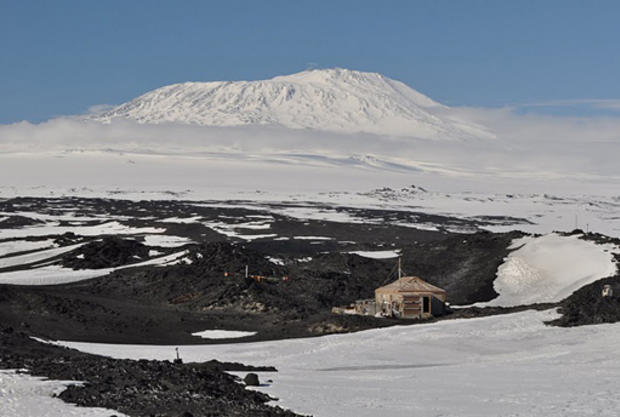
The Discovery Hut on Ross Island (with McMurdo Station in background). It was built by Scott's 1902 expedition.
CBS/Ed Forgotson, Jr.
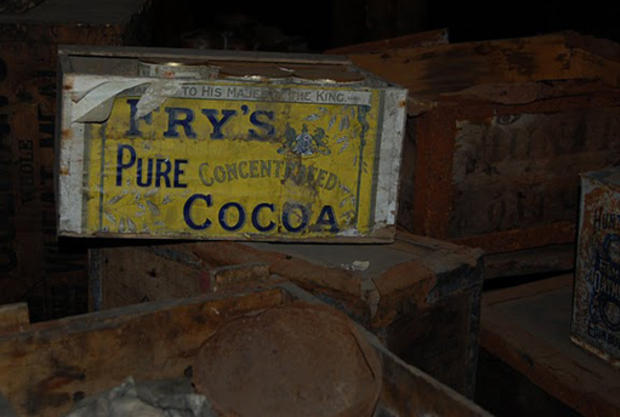
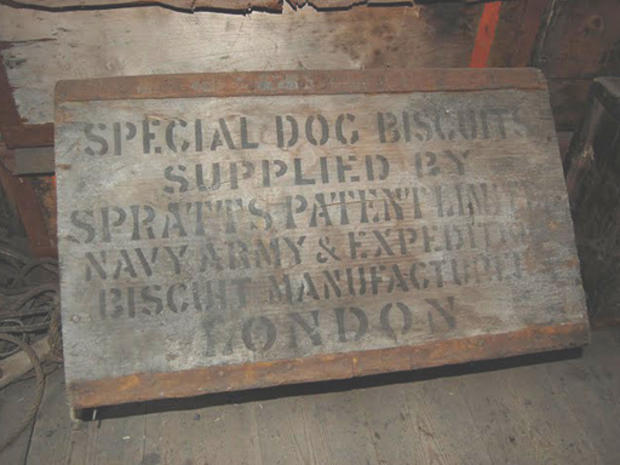
The hut was reused a few years later by members of Shackleton's ill-fated expedition. Abandoned, it was later dug out of the ice, its contents found to have been well preserved.
CBS/Ed Forgotson, Jr.
Boxes of stores in the Discovery Hut.
CBS/Ed Forgotson, Jr.
Boxes of stores in the Discovery Hut.
CBS/Ed Forgotson, Jr.
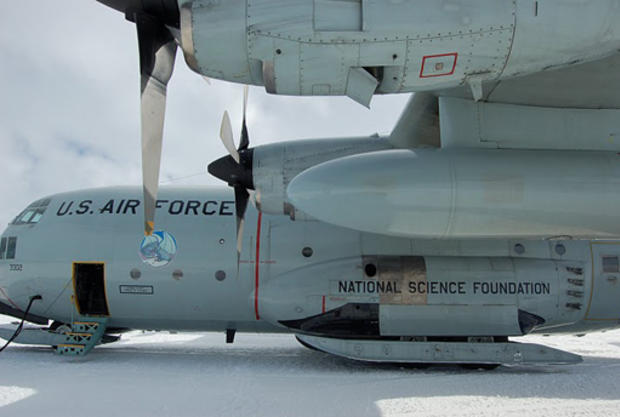
An LC-130H - bound for the South Pole!
CBS/Edward Forgotson
Besides being frigid, the South Pole is the driest place on Earth; annual precipitation here is literally zero.
CBS/Ed Forgotson, Jr.
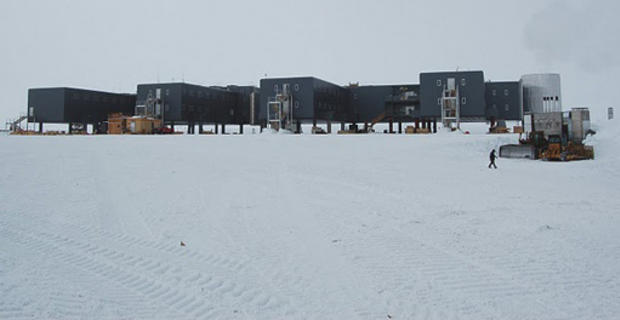
Tents have been traded for this 21st century station, the pride and joy of America's National Science Foundation. The base, named for the explorers Amundsen and Scott, is built on the high plateau of Antarctica at the Geographic South Pole - the southernmost place on the Earth - at an elevation of 9,301 feet.
CBS/Ed Forgotson, Jr.
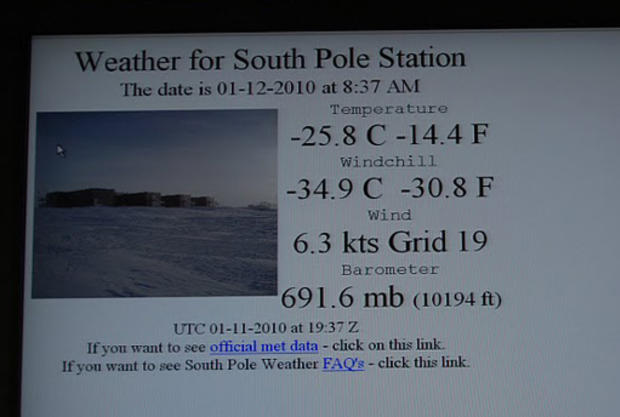
The usual summer temperatures.
CBS/Edward Forgotson
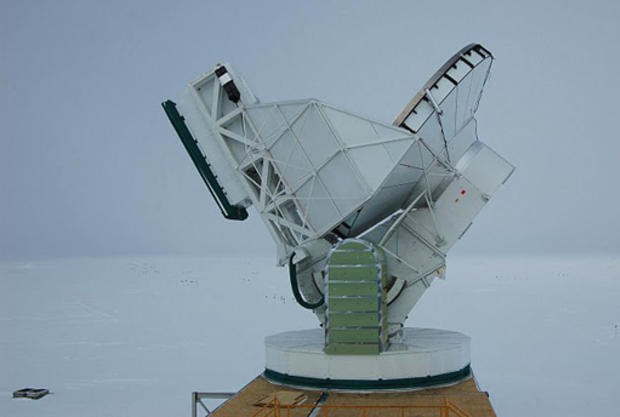
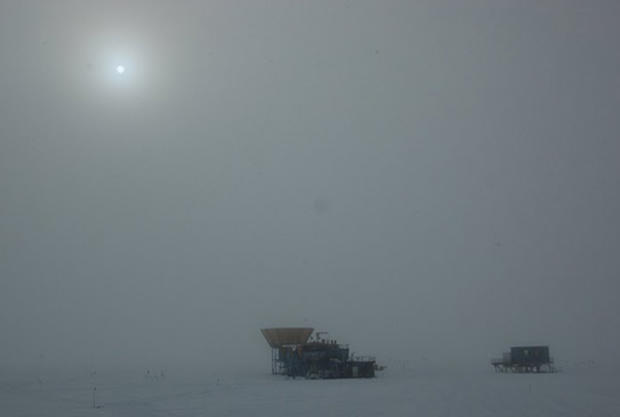
Astrophysicist John Carlstrom uses a 10-meter telescope to examine cosmic radiation created back when the universe was formed, 14 billion years ago.
"The South Pole's just this great place to get this beautiful window to look out from the Earth, out through our galaxy, and look far away, and, believe it or not, see toward the origin of the universe," he said.
CBS/Ed Forgotson, Jr.
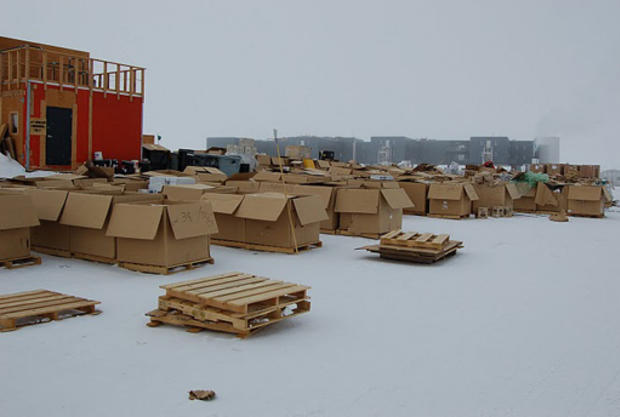
Deliveries of VERY frozen food are made.
CBS/Edward Forgotson
Here comes the weather ...
CBS/Edward Forgotson
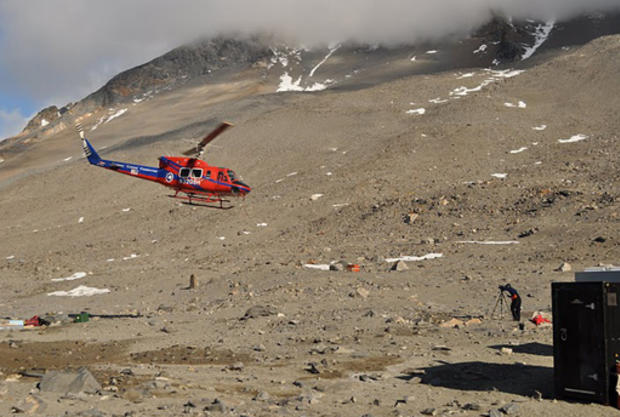
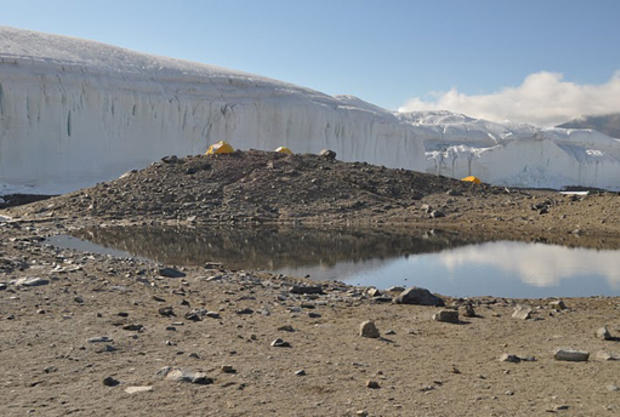
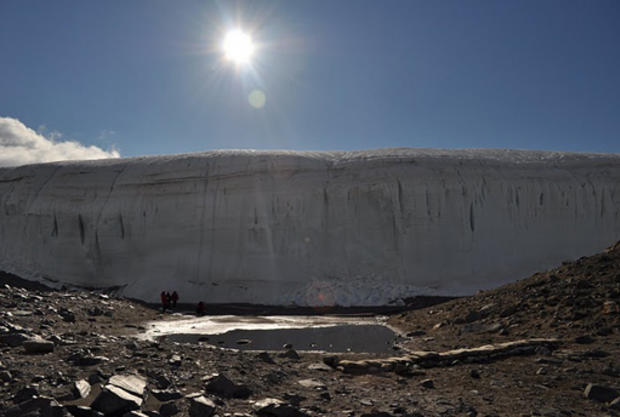
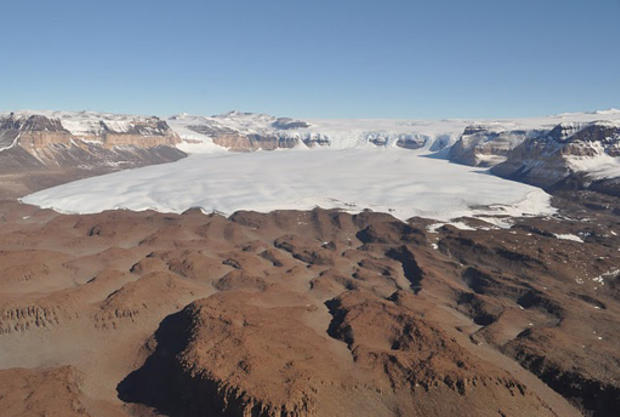
It's a short helicopter ride to Lake Hoare, in the McMurdo Dry Valleys - deserts that are exceedingly dry due to the surrounding high mountains, with lakes that have higher saline levels than the Dead Sea.
CBS/Ed Forgotson, Jr.
The soil, lakes and ice here are being studied not only for the local flora and fauna but for their microbes as well.
CBS/Edward Forgotson
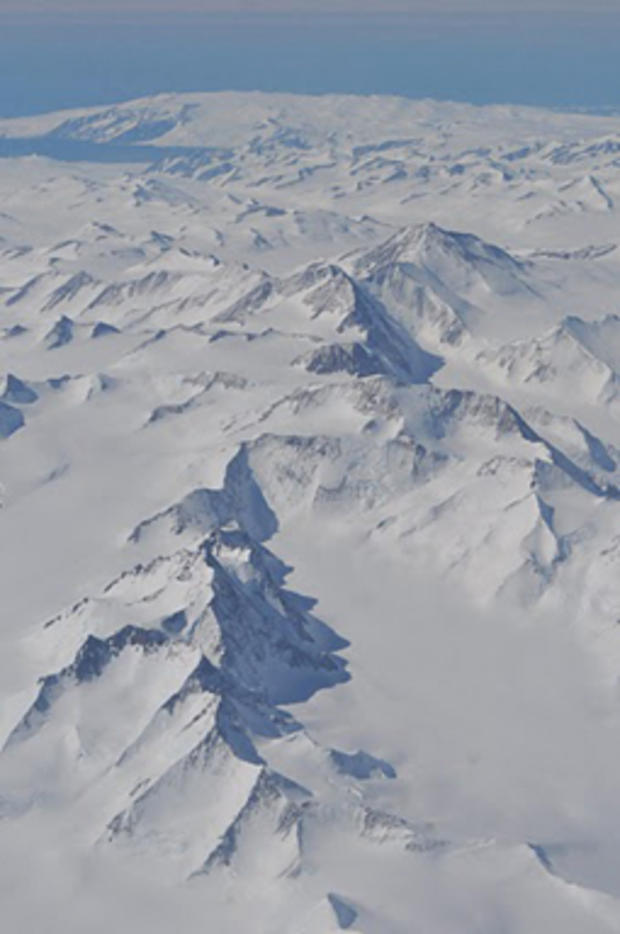
The Dry Valleys.
CBS/Edward Forgotson
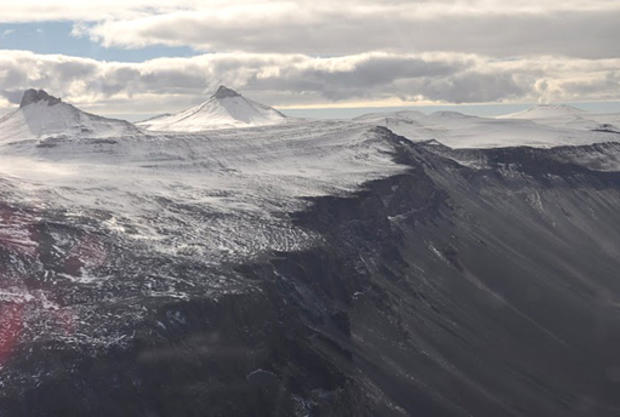
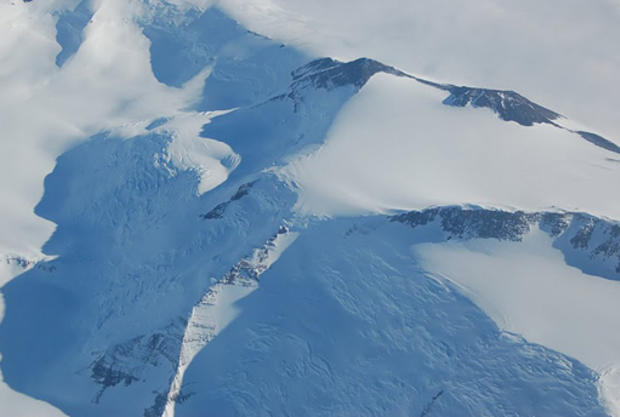
Over the Dry Valleys.
CBS/Edward Forgotson
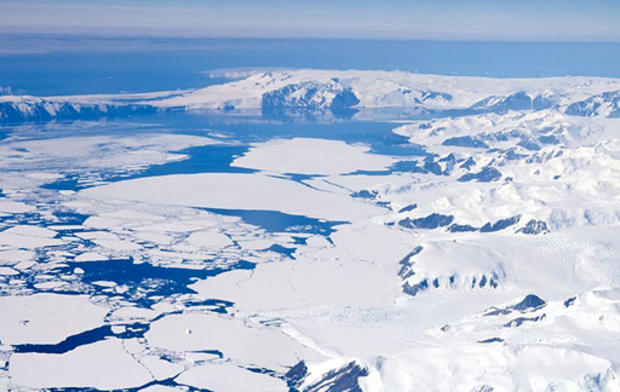
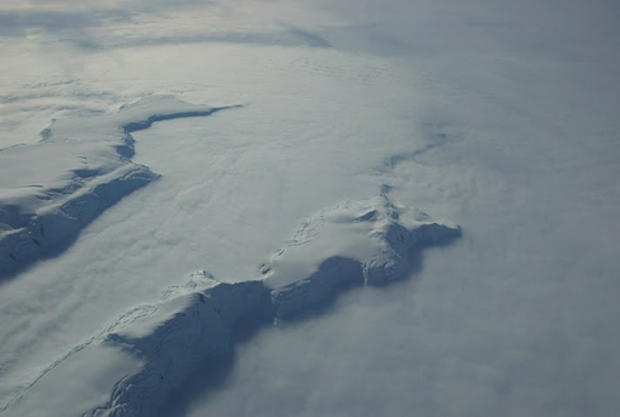
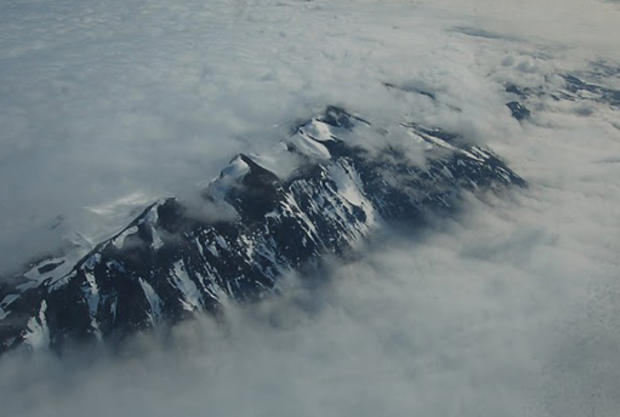
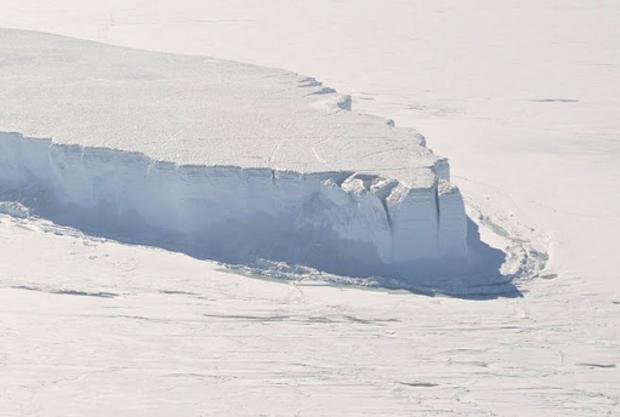
Antarctica.
CBS/Ed Forgotson, Jr.
Antarctica
CBS/Edward Forgotson
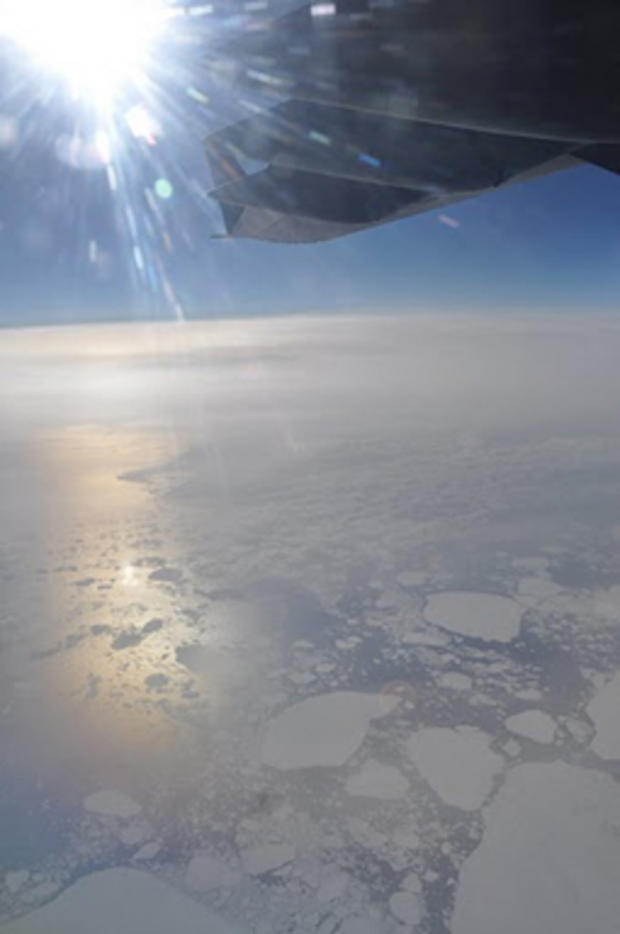
Over the Ross Sea.
CBS/Edward Forgotson
Shackleton's 1908 Nimrod Hut at Cape Royds.
CBS/Ed Forgotson, Jr.
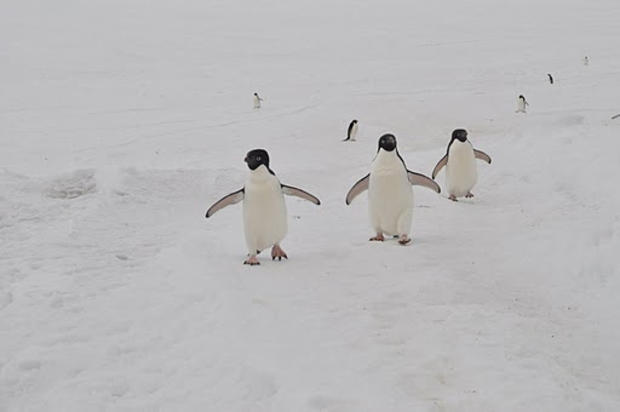
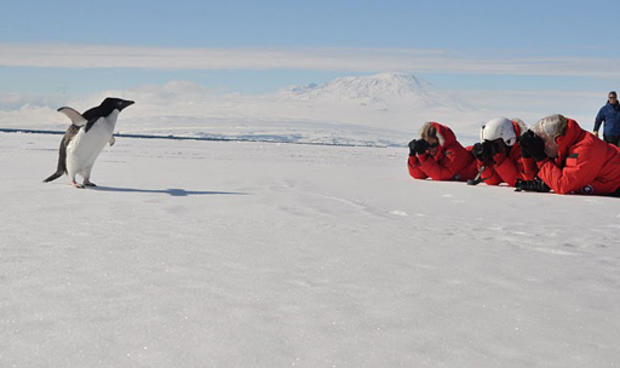
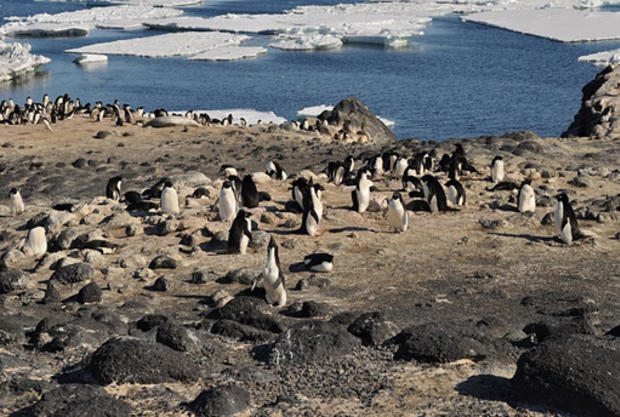
An Antarctic welcoming committee. It's taken millions of years for these Adelie penguins to adapt to life in this unforgiving place, and as the world's climate changes, their future is uncertain.
CBS/Edward Forgotson
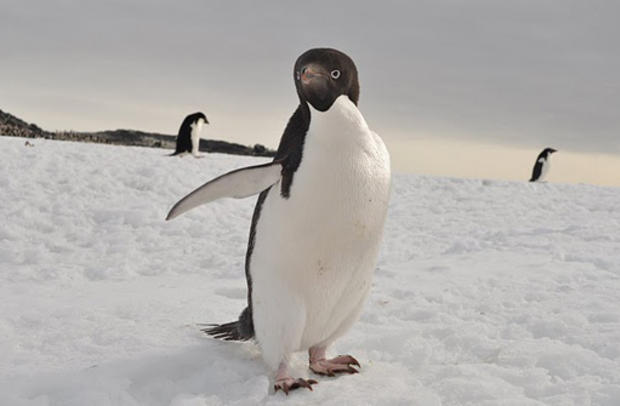
An Adelie Penguin near the rookery at Cape Royds.
CBS/Edward Forgotson
Smile!
CBS/Edward Forgotson
The Adelie penguin rookery at Cape Royds.
CBS/Ed Forgotson, Jr.
The return flight to McMurdo.
CBS/Edward Forgotson
McMurdo supports up to 2,000 residents during the summer season, when the sun never sets.
CBS/Ed Forgotson, Jr.
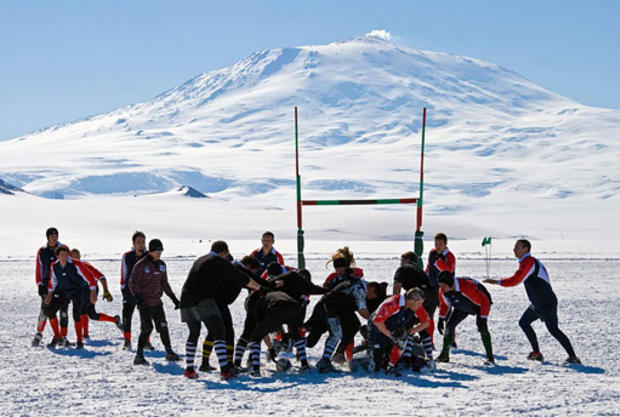
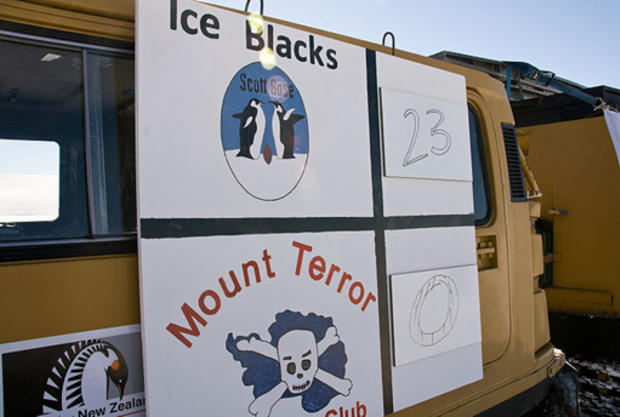
Far from the playing fields of Eton: Rugby is just one of the diversions on offer at McMurdo Station. Each year the Americans and the New Zealanders face off on a rugby field of ice.
CBS/Edward Forgotson
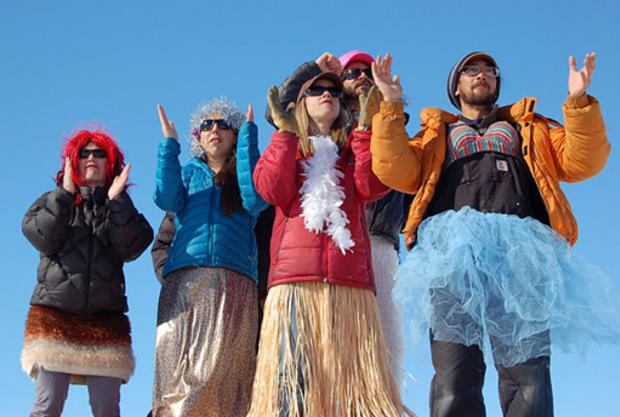
"U-S-A! U-S-A!" The Americans have their cheerleaders, who have to work to keep warm AND positive.
In two decades, the U.S. team have yet to win a match.
CBS/Ed Forgotson, Jr.
This time, their streak was unbroken.
CBS/Edward Forgotson
Operation Deep Freeze, which runs from September through February, keeps the manned stations supplied by ferrying 3 million pounds of cargo on nearly 70 flights.
CBS/Edward Forgotson
Even after a century of exploration in Antarctica, mankind is still taking its first steps towards understanding this awe-inspiring land.