AP Photo/Gerald Herbert
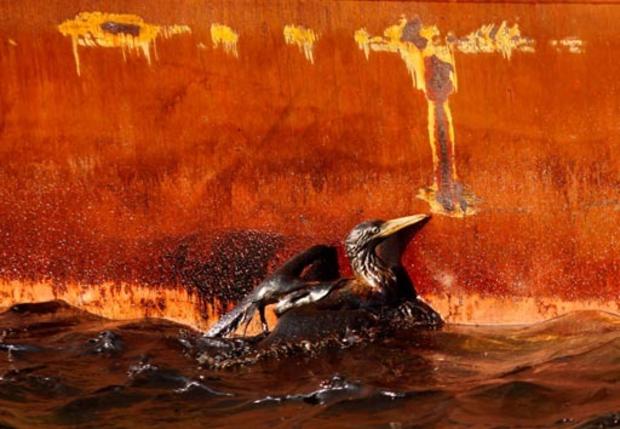
An oil soaked bird struggles against the oil slicked side of the HOS Iron Horse supply vessel at the site of the Deepwater Horizon oil spill in the Gulf of Mexico off the coast of Louisiana on Sunday, May 9, 2010.
AP Photo/Charlie Riedel
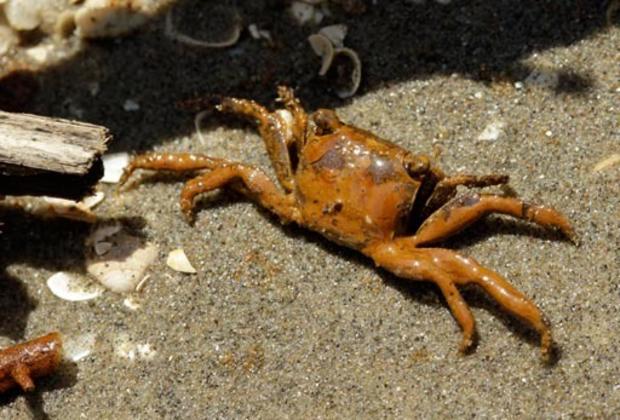
An oil-covered crab is seen on an oil-impacted beach at the mouth of the Mississippi River near Venice, La. Wednesday, May 19, 2010. Oil from last month's Deepwater Horizon oil rig explosion in the Gulf of Mexico has started drifting ashore along the Louisiana coast.
AP Photo/Audubon Nature Institute, Meghan Calhoun
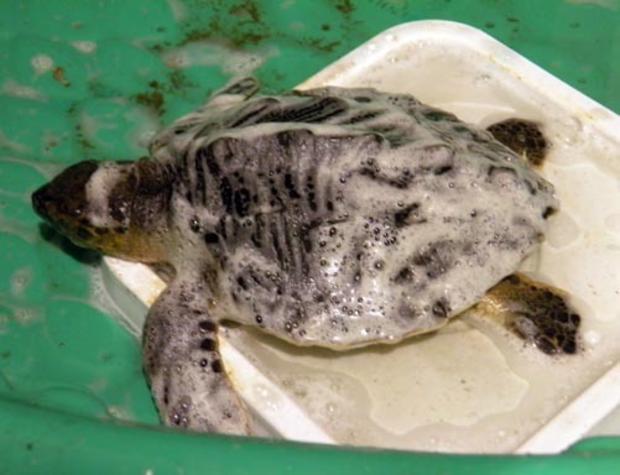
The first sea turtle rescued from the Gulf of Mexico oil spill - a baby Kemp's ridley - lies, all soaped up, in its wading pool bathtub shortly after its arrival at the aquarium's Aquatics Center in New Orleans on Tuesday May 18, 2010. The turtle was found about 35 miles from Venice, La., and was brought by boat and vehicle to New Orleans.
AP Photo/Audubon Nature Institute, Meghan Calhoun
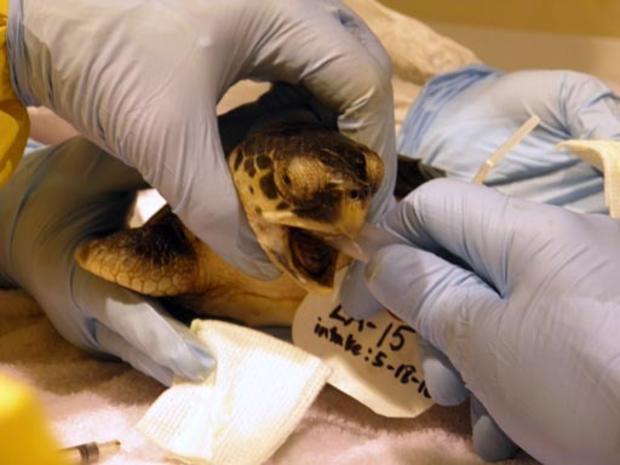
The first sea turtle rescued from the Gulf of Mexico oil spill - a baby Kemp's ridley - gets its mouth washed out shortly after arrival, in New Orleans on Tuesday May 18, 2010. The turtle was found about 35 miles from Venice, La., and was brought by boat and vehicle to New Orleans.
AP Photo/Janet McConnaughey
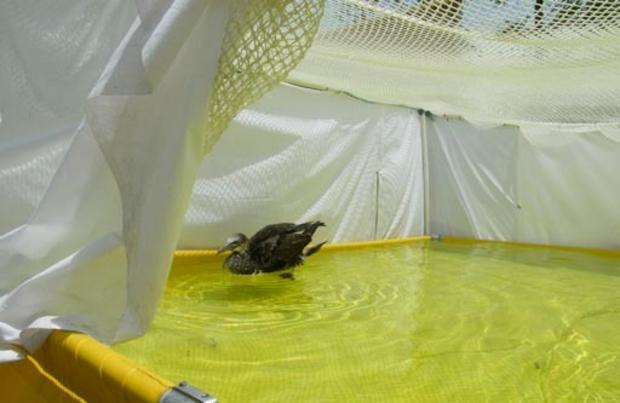
A northern gannet the first oiled bird found in the Gulf of Mexico, swims in a recovery pool on May 7, 2010, outside the bird rescue center in Fort Jackson, La. The bird was washed the day after it was found, and will probably be released next week well away from the spill next week -- possibly somewhere on the East Coast, said Jay Holcomb of the International Bird Rescue Research Center, based in San Francisco.
AP Photo/Gerald Herbert
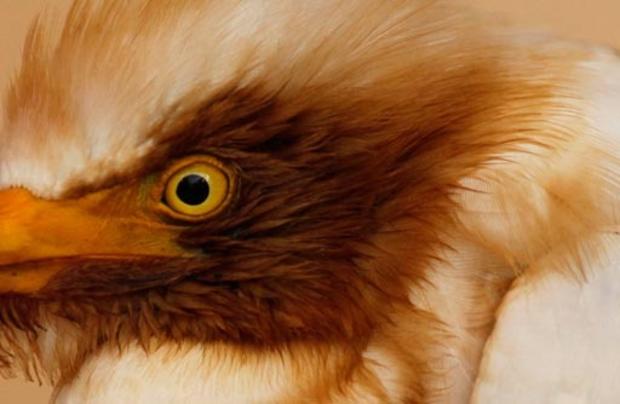
An oil-stained cattle egret is seen on the deck of the supply vessel Joe Griffin, at the site of the Deepwater Horizon oil spill containment efforts in the Gulf of Mexico off the coast of Louisiana on Sunday, May 9, 2010.
AP Photo/Charlie Riedel
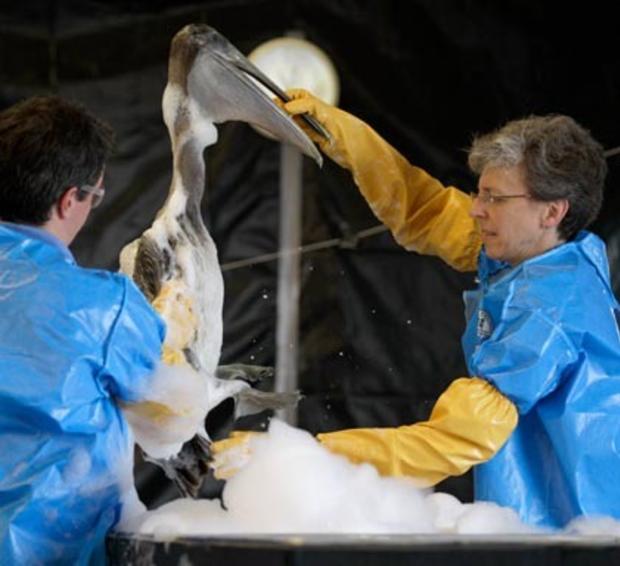
Veterinarians Erica Miller, right, and Heather Nevill clean a Brown Pelican Saturday, May 15, 2010 at the Fort Jackson Wildlife Rehabilitation Center at Buras, La. The bird was rescued after being exposed to oil in an oil spill in the Gulf of Mexico caused by the explosion of BP's Deepwater Horizon oil platform more than three weeks ago.
AP Photo/U.S. Navy, MC2 Justin Stumberg
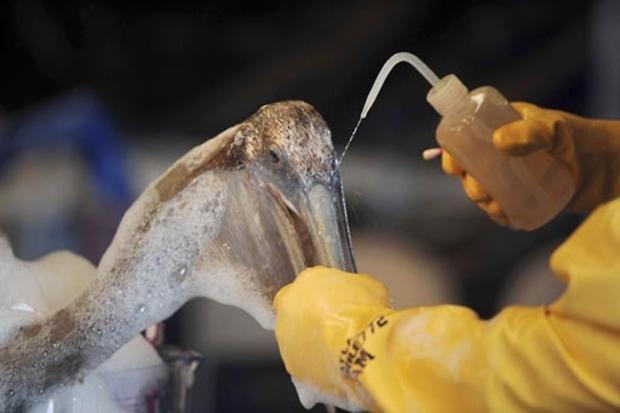
Dr. Erica Miller, a member of the Louisiana State Wildlife Response Team, cleans oil from a pelican at the Clean Gulf Associates Mobile Wildlife Rehabilitation Station on Ft. Jackson in Plaquemines Parish, La., on Saturday, May 15, 2010.
AP Photo/Louisiana Governor's office
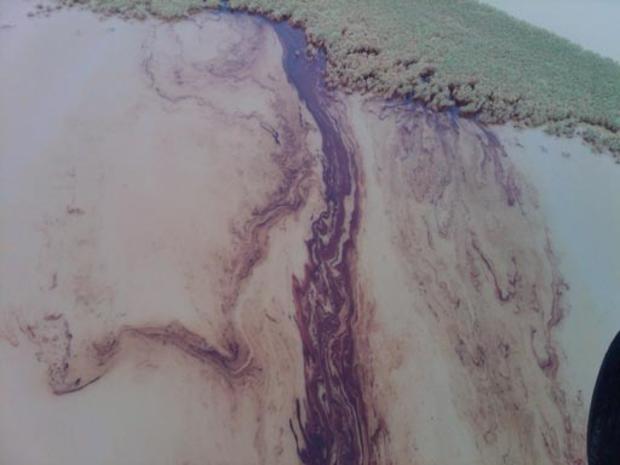
A aerial photo shows thick, rust colored ribbons of emulsified oil encroaching on the shores of the Pass a Loutre Wildlife Management Area, dark pools of oil forming near the coast, and oil overtopping protective booms, on Tuesday, May 18, 2010.
AP Photo/Charlie Riedel
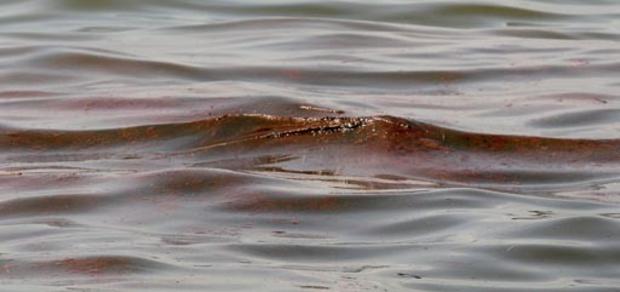
Oily waves are seen in the Gulf of Mexico near the mouth of the Mississippi River south of Venice, La. Tuesday, May 18, 2010. Oil from last month's Deepwater Horizon oil rig explosion in the Gulf of Mexico has started drifting ashore along the Louisiana coast.
AP Photo/Louisiana Dept. of Wildlife and Fisheries
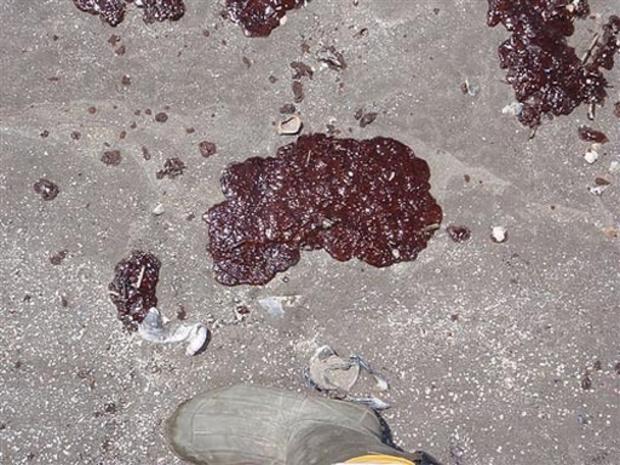
Tar balls on Fourchon Beach on Thursday, May 14, 2010. Laura Deslatte, a spokeswoman for the Louisiana Department of Wildlife and Fisheries, said Friday that the globs of oil were found along the entire beach at Port Fourchon. Workers from her department have not yet seen so much oil washed up anywhere else. the tar balls ranged from the size of nickels to up to eight inches in diameter.
AP Photo/Gerald Herbert
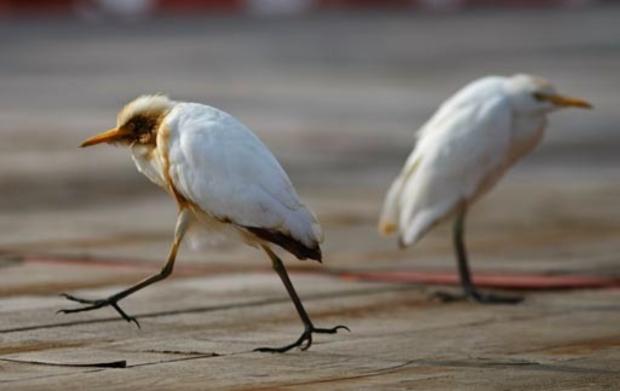
Oil-stained cattle egrets walk on the deck of the supply vessel Joe Griffin at the site of the Deepwater Horizon oil spill in the Gulf of Mexico, off the coast of Louisiana, on Sunday, May 9, 2010.
AP Photo/Charlie Riedel
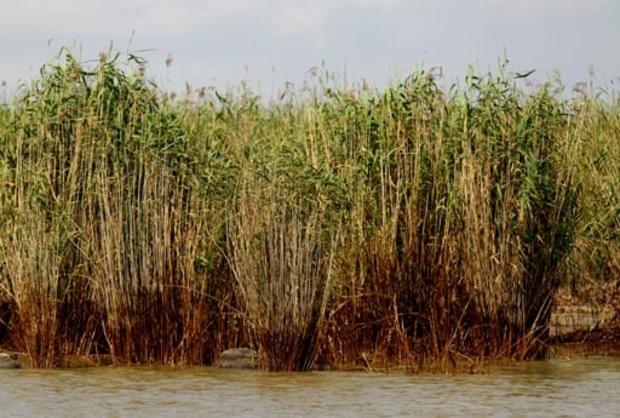
Oil is seen on river cane at the mouth of the Mississippi River south of Venice, La., Tuesday, May 18, 2010. Oil from last month's Deepwater Horizon oil rig explosion in the Gulf of Mexico has started drifting ashore along the Louisiana coast.
AP Photo/Miami Herald, Tim Chapman
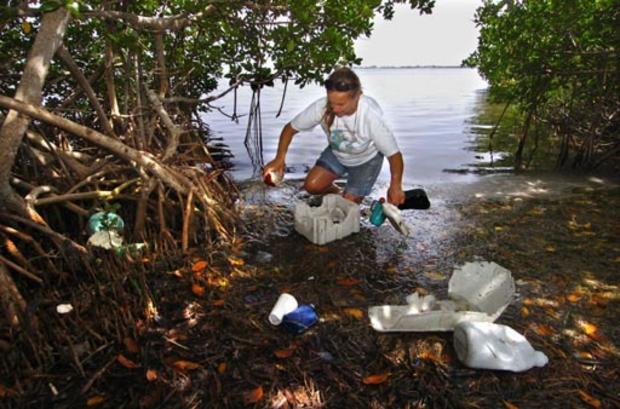
Maya Totman of Florida Keys Wildlife Rescue on Big Pine Key in the Florida Keys cleans up dangerous marine debris from mangrove beaches on No Name Key to keep oil from mixing with the garbage that would create a deadly mix for all wildlife. Oil tarballs have been found on several beaches in the area that are being analyzed to see if they are from the Gulf oil leak. Totman says her group who is in desperate need of a small boat to help clear the mangroves and pickup any tarballs for testing.
AP Photo/Gerald Herbert
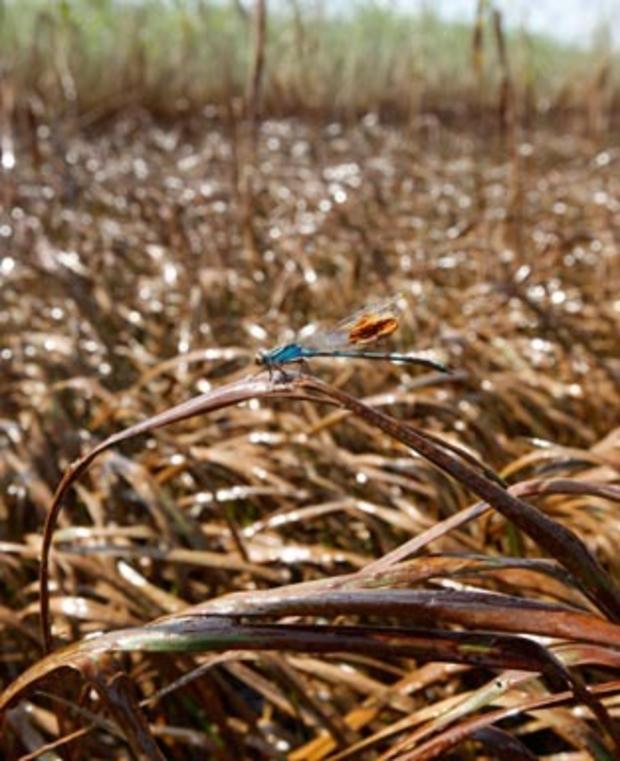
A dragonfly is stuck to marsh grass covered in oil from the Deepwater Horizon oil spill in Garden Island Bay on the Gulf Coast of Louisiana near Venice, Tuesday, May 18, 2010.
AP Photo/Rick Silva
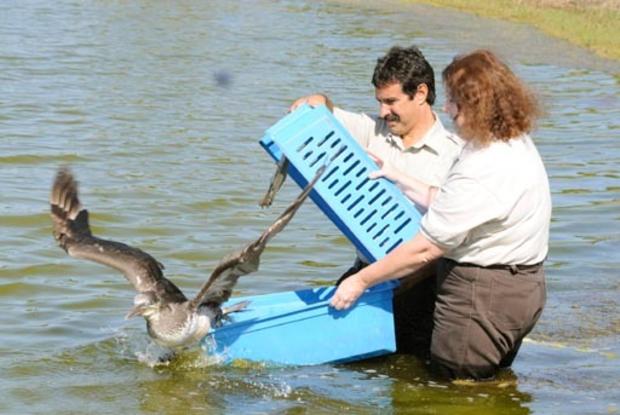
Charlie Pelizza and Sharon Taylor of The U.S. Fish and Wildlife Service release a black gannet that was rescued from the Gulf of Mexico into the wild at the Pelican Island National Wildlife Refuge Monday, May 10, 2010, northeast of Vero Beach, Fla.