AP Photo/BKA
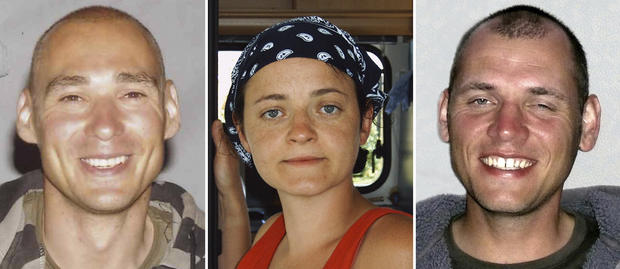
The combo of undated photographs provided by German federal criminal investigation office BKA shows terror suspects, from left, Uwe Mundlos, Beate Zschaepe and Uwe Boenhardt. Zschaepe who is the sole survivor of a neo-Nazi group -- the self-styled National Socialist Underground -- blamed for ten killings went on trial Monday, May 6, 2013, in Munich, along with four men alleged to have helped the killers in various ways. Beate Zschaepe, 38, is charged with complicity in the murder of eight Turks, a Greek and a policewoman. She is also accused of involvement in at least two bombings and 15 bank robberies carried out by her accomplices Uwe Mundlos and Uwe Boenhardt, who died in an apparent murder-suicide two years ago.
AP Photo/Matthias Schrader
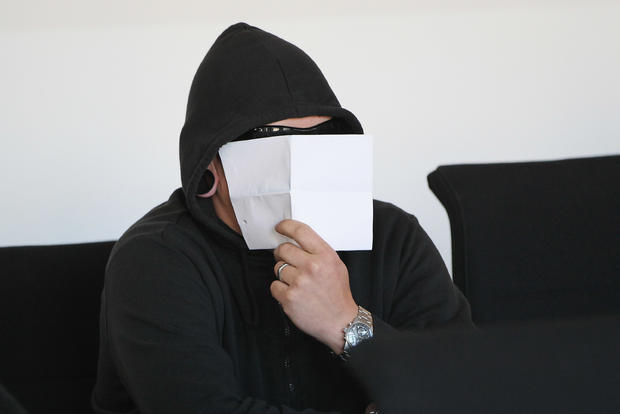
Beate Zschaepe, member of the neo-Nazi group National Socialist Underground (NSU) enters the court room before the start of her trial in Munich, southern Germany, Monday, May 6, 2013.
AP Photo/BKA
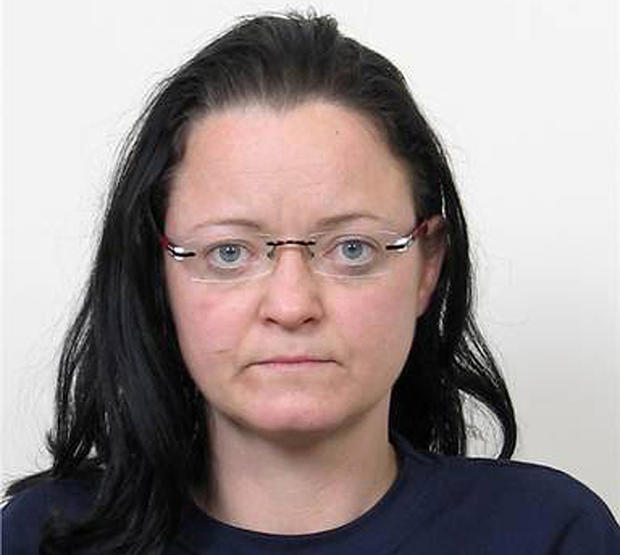
The undated photo provided by German federal criminal investigation office BKA in Dec. 2011, shows terror suspect Beate Zschaepe after her arrest. Zschaepe is on trial for her role in assisting Uwe Boehnhardt and Uwe Mundlos in the murder of nine immigrants and one policewoman across Germany between 2000 and 2007. Zschaepe, Mundlos and Boehnhardt lived together for years undetected by police and called themselves the National Socialist Underground, or NSU. The case only came to light after Mundlos and Boehnhardt committed suicide after the two were cornered by police following a bank robbery in 2011.
AP Photo/Matthias Schrader
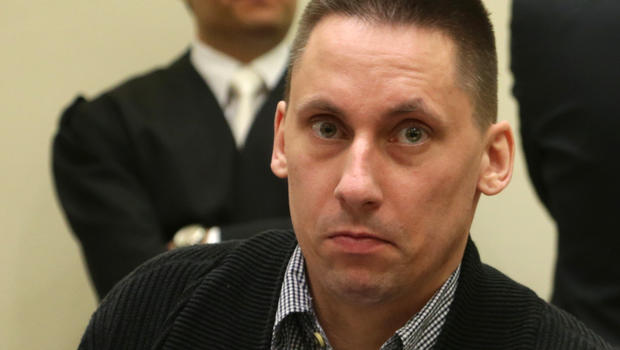
Ralf Wohlleben, alleged supporter of the neo-Nazi group National Socialist Underground (NSU), waits for the start of a trial in Munich, southern Germany, Monday, May 6, 2013.
Johannes Simon/Getty Images
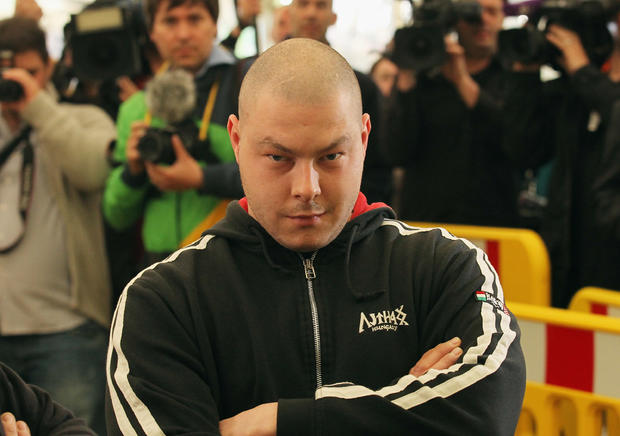
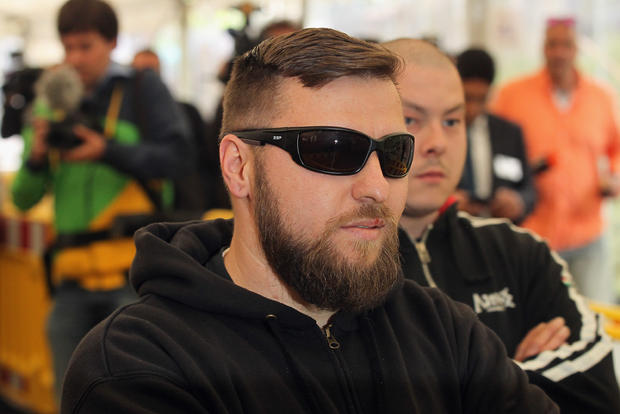
Neo-Nazi sympathizer Karl-Heinz Statzberger (C) waits to enter the Oberlandesgericht Muenchen state court building on the first day of the NSU neo-Nazi murder trial on May 6, 2013, in Munich, Germany.
Johannes Simon/Getty Images
Neo-Nazi sympathizer Karl-Heinz Statzberger (R) and Maik E (L), twin brother of Andre E. wait to enter the Oberlandesgericht Muenchen state court building on the first day of the NSU neo-Nazi murder trial on May 6, 2013 in Munich, Germany. The main defendant, Beate Zschaepe, is on trial for her role in assisting Uwe Boehnhardt and Uwe Mundlos in the murder of nine immigrants and one policewoman across Germany between 2000 and 2007, and four other co-defendants, including Ralf Wohlleben, Holder G., Carsten S. and Andre E., are accused of assisting the trio.
Photo by Sean Gallup/Getty Images
Peter W., former member of the outlawed neo-Nazi group Sturm 34, arrives for the reopening of the trial against him and four associates on May 4, 2012, in Dresden, Germany. The five are back in court to face charges of creating a criminal organization after a federal court ruled that Sturm 34 was indeed a criminal organization.
Adam Berry/Getty Images
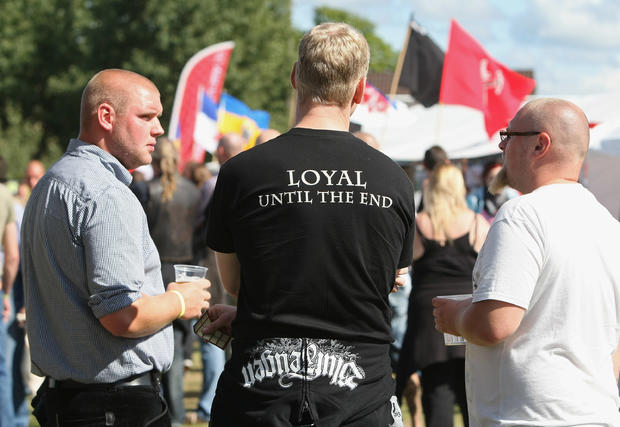
Although it is illegal for neo-Nazis to express many of their beliefs, there is still a substantial following in Germany. A participant wears a t-shirt reading 'Loyal Until the End' at the German far-right Nationaldemokratische Partei Deutschlands - Die Volksunion (National Democratic Party, NPD) 'Pressefest' summer festival, organized by the party's publication, the 'Deutsche Stimme' (the German Voice), on August 11, 2012, in Pasewalk, Germany. The event took place in the German state of Mecklenburg-Vorpommern, known as a stronghold for the NPD, where the party won over 30 percent of the votes in two districts in state elections in 2011. There have been two attempts to legally ban the right-wing group, in 2003 and 2011, after a neo-Nazi terrorist cell murdered at least nine people of predominantly Turkish background as well as one policewoman between 2000 and 2007.
Carsten Koall/Getty Images
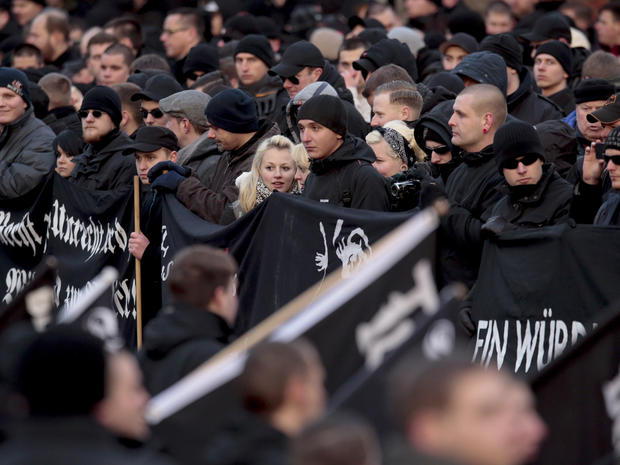
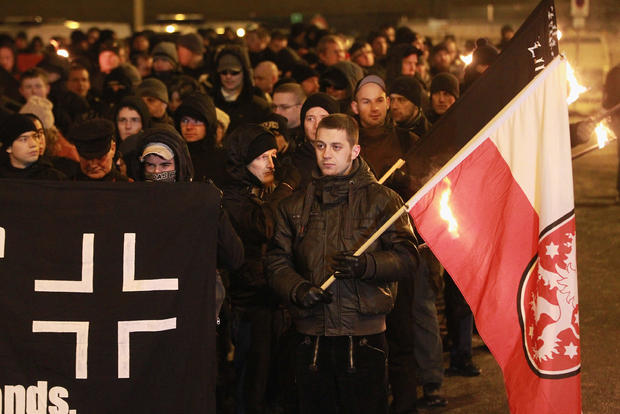
Neo-Nazis stand behind a banner during the commemoration of the 1945 Allied bombing of Magdeburg on January 12, 2013, in Magdeburg, Germany. The annual march is among the biggest neo-Nazi marches of the year. German authorities have been accused of turning a blind eye to right-wing violence.
Sean Gallup/Getty Images
Neo-Nazis and their sympathizers march with torches to commemorate the World War II firebombing of Dresden by Allied planes on February 13, 2012, in Dresden, Germany. Civil rights activists sought to surround the expected 1,500 neo-Nazis with a human chain in order to prevent them from marching through the city in the annual event. Right-wing extremism is currently making national headlines in Germany due to the revelation that a pair of neo-Nazis claiming to be part of a group called the National Socialist Underground (NSU) murdered at least 10 immigrant small-business owners as well as a policewoman over a decade-long period, and that police investigations at the time were either botched or willfully aborted.