istockphoto
You know how to handle a minor scrape at home, and you know heart attack symptoms should send you to the emergency room. But can you tell if a swollen ankle requires an ice pack or a 911 call?
To the rescue: from our friends at Health.com, here's a handy guide to when to head to the ER, when to call your doctor, and when you can stay put.
istockphoto
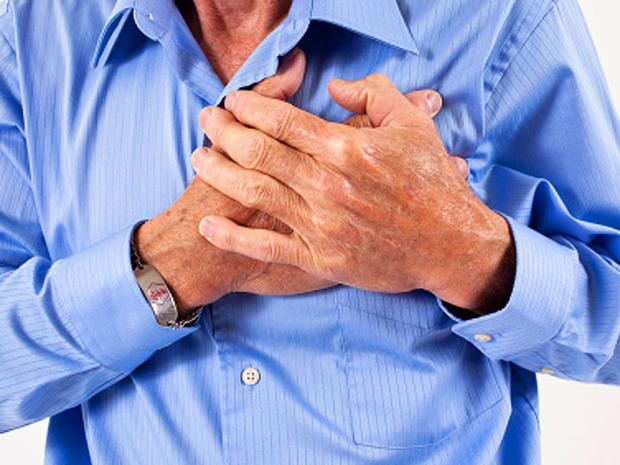
Women are less likely to have the stereotypical chest, left arm, or jaw pain, so you should also look for other symptoms women get, like shortness of breath; sudden dizziness, weakness, or nausea; or unexplained sweating and fatigue.
istockphoto
...like sudden numbness or weakness in a limb or one side of your face; sudden speech difficulties (such as talking gibberish or jumbling words); trouble seeing out of one or both eyes; unexpected dizziness or loss of balance; or an excruciating, inexplicable headache.
istockphoto
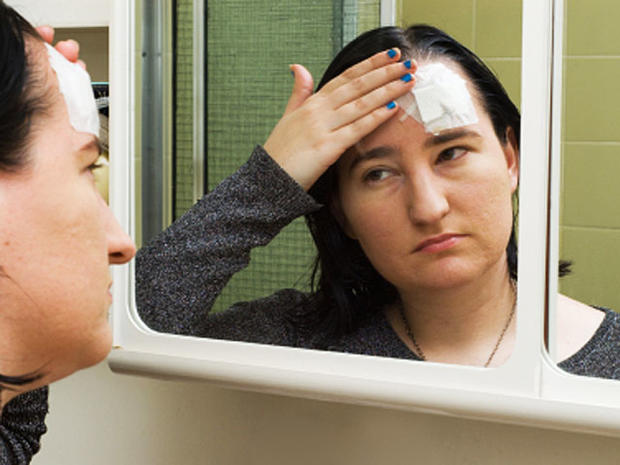
...that results in loss of consciousness, a seizure, or vomiting (especially if you vomit more than once), even if it happens a few hours after you hit your head.
Go to the ER if you have: Any loss of consciousness or fainting
istockphoto
...even if you think it's just because you haven't eaten all day. It might be nothing, but it could also signal a heart or circulation problem or even a stroke. "There's no way to determine the cause on your own," says emergency physician Dr. Richard O'Brien, an associate professor in the division of medicine in the department of clinical sciences at the Commonwealth Medical College of Pennsylvania.
istockphoto
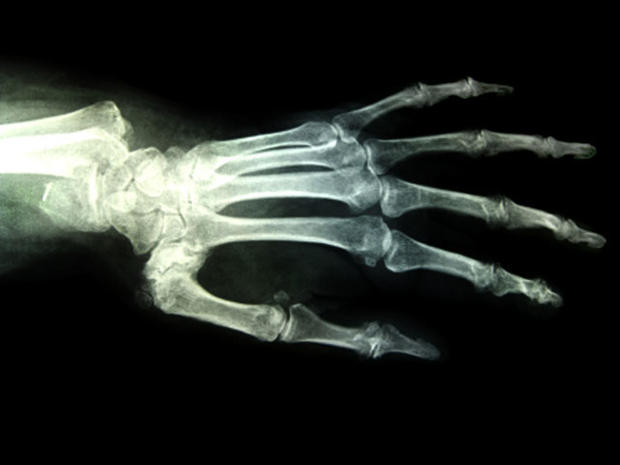
Red flags include a joint or limb that looks drastically misshapen or out of place, swelling and bruising, and not being able to bear weight on an injured foot or leg. (If you suspect it might just be a sprain or dislocation, call your doc.)
istockphoto
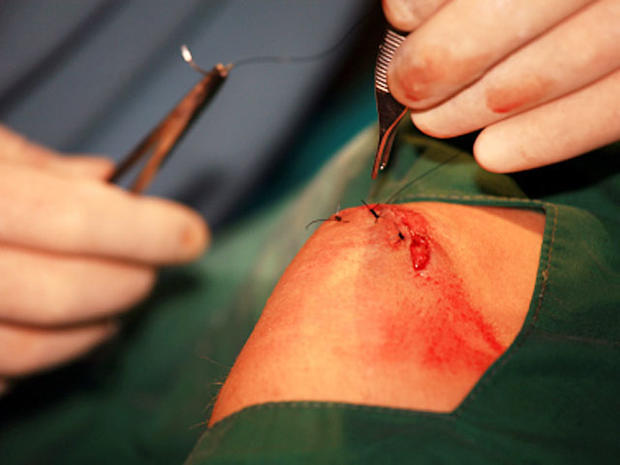
...that doesn't stop when you apply pressure for 10 to 20 minutes; any wound that impairs your ability to function (like a leg injury that bleeds like crazy when you bend your knee); or a gaping wound that fully penetrates the skin (so you can see muscle, for example).
istockphoto
...that covers an area larger than 2 or 3 inches or goes all the way around an area like the wrist; breaks the outer layer of skin; or causes numbness.
Go to the ER if you have: Repeated episodes of vomiting
istockphoto
...that make it impossible to keep fluids down, or nonstop diarrhea that keeps you in the bathroom, either of which can quickly lead to dehydration.
iStockphoto.com
...halfway down your back on either side of your spine, which could signal a kidney stone or infection. "Any severe abdominal pain also warrants immediate care," Dr. O'Brien says. Ectopic pregnancy, appendicitis, and gallstones are a few of the possible causes.
istockphoto
...that can't be controlled with acetaminophen or ibuprofen. Your doc can advise you on how to bring the fever down (or determine if you need to go to the ER). If your fever is 105 degrees or higher, head straight to the ER.
Break out the first-aid kit for: A mild head injury
istockphoto
...that produces a bump on your head or moderate pain. Ice and/or over-the-counter pain relievers can help. But if you develop an excruciating headache, vomiting, confusion, difficulty walking or talking, balance or speech problems, or have trouble using your arms or legs normally, go to the ER, Dr. O'Brien says.
istockphoto
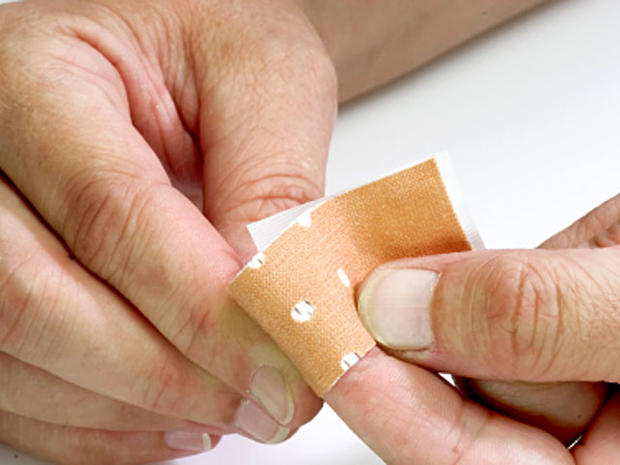
...that are less than one-half inch in length and aren't bleeding much. "Clean it, push the skin back together, and apply a Steri-Strip or an adhesive bandage," Dr. Carius advises.
istockphoto
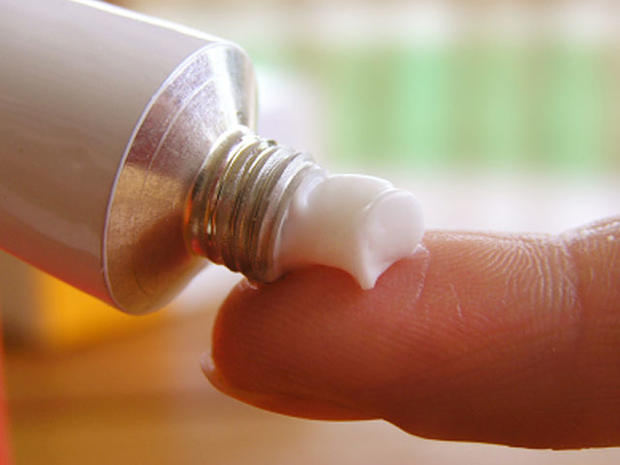
These are less than 3 inches in diameter and don't break the skin, even if they blister. Soothe the burn with cold compresses for 20 minutes, then apply antibacterial ointment and cover it with nonstick gauze.
istockphoto
...that don't significantly impede your ability to function (meaning you can still walk on that leg or move that arm, even if it hurts). Follow the RICE advice: Rest the injured area, apply ice, compress the injury with an elastic bandage, and elevate it above your heart.