CBS
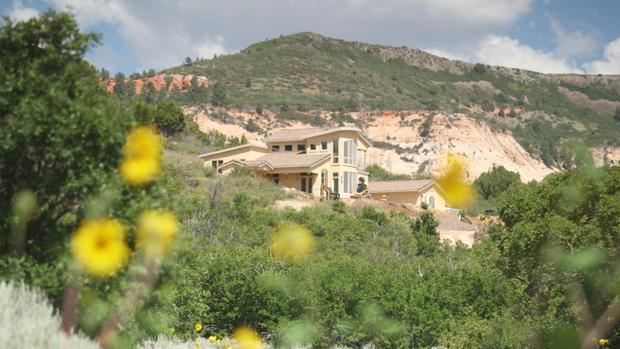
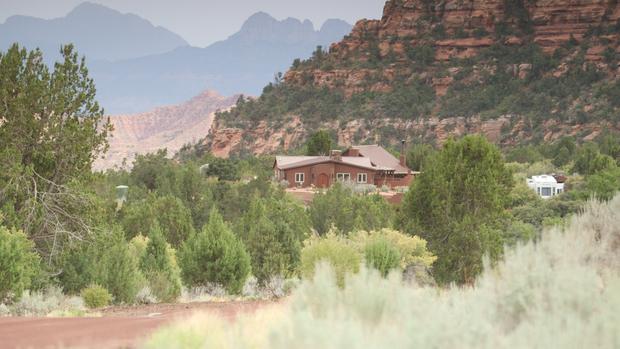
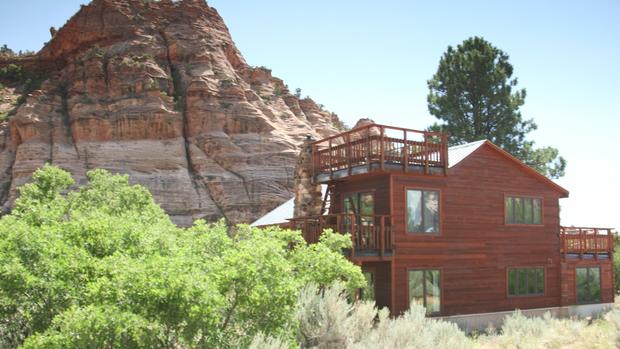
People don't think of the parks as places where you could build a vacation home. But people are now erecting McMansions in the middle of some of the most pristine places in the United States. In this photo, a home being built on private land in Zion National Park in Utah is seen.
Park visitor Julie Hamilton was shocked to see it during a hike. "All of a sudden there's this big house up on hill," she said. "It's like, are they going to build more? What's happening here?"
CBS
What's happening is budget cuts. In the 1960s, Congress established the Land and Water Conservation Fund -- $900 million a year paid for with offshore drilling royalties from oil companies. That money was historically used to buy up private lands in national parks when landowners decide to sell. But two-thirds of the oil money is now routinely spent by Congress on other programs, leaving the parks unable to compete with wealthy buyers. In this photo, a home is seen built on private land in Zion National Park in Utah.
CBS
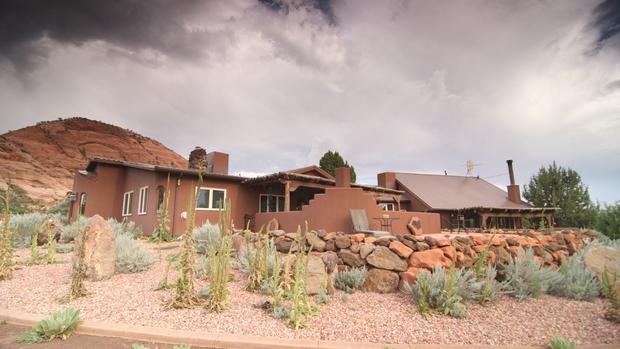
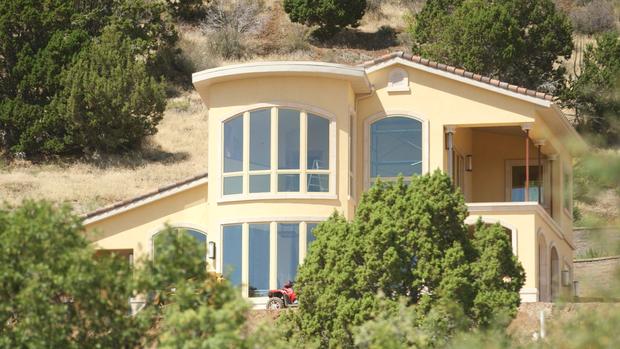
There are 11,640 pieces of private land inside U.S. national parks. From Yosemite to Yellowstone, many have homes either built or being built on them. The land was owned before the national parks existed or ended up inside them as the parks expanded, according to the National Park Service. This home is owned by the Landaus in Zion National Park. The couple says they built their house to fit into the landscape, not as a trophy home. Hank Landau said, "This is private land. Do you want me to tell you to take your private property and sell it to your neighbor? Our neighbor is the park."
CBS
Will Rogers, president of The Trust for Public Land, asked how big of an issue building in national parks, said, "It's a really big deal. It's like putting a fast food chain in the middle of the National Mall."
CBS
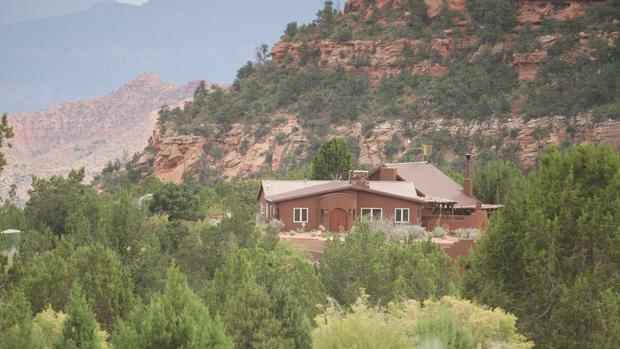
Will Rogers, president of The Trust for Public Land, said, "There are more and more people with the means to have two and three and four homes. And even if they're only using them for a few weeks a year, they like to have them in iconic landscapes." In this photo, a home is seen being built on private land in Zion National Park in Utah.
CBS
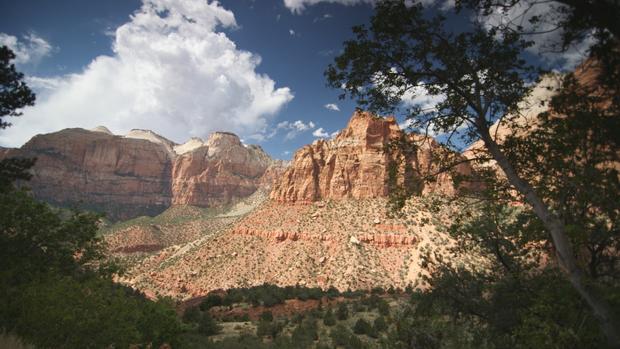
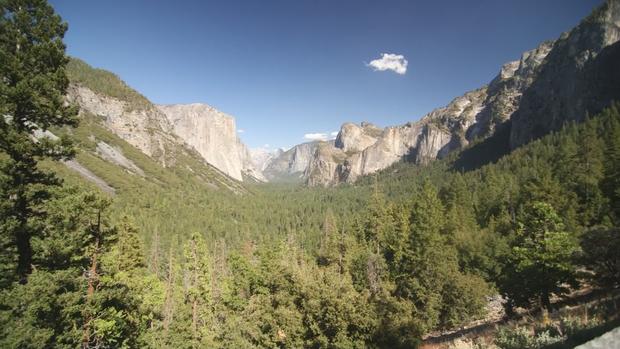
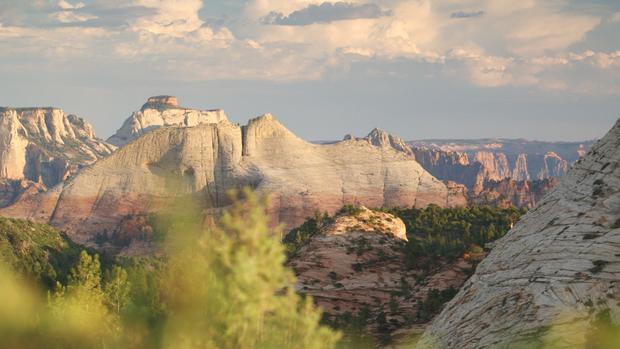
Just three percent of National Park land is privately owned -- most of it is still vast open space. But the fear is that private land could be subdivided and some day you could look down a valley and see a neighborhood. In this photo, the iconic Tabernacle Dome in Zion National Park is seen.
CBS
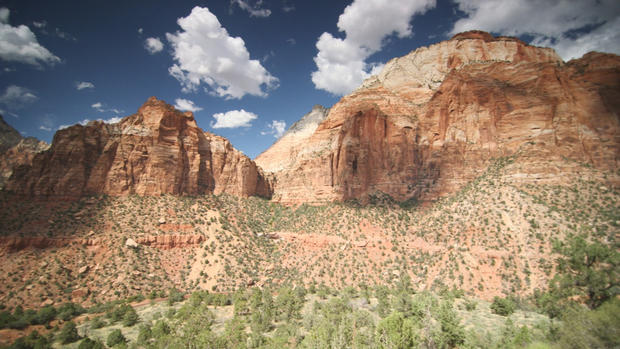
This year, Congress has allocated $161 million to the parks for buying land as it comes up for sale, but the price tag of the priority properties the Park Service are trying to protect is more than $2 billion. In this photo, a view of Zion National Park in Utah is seen.
AP Photo/20th Century Fox
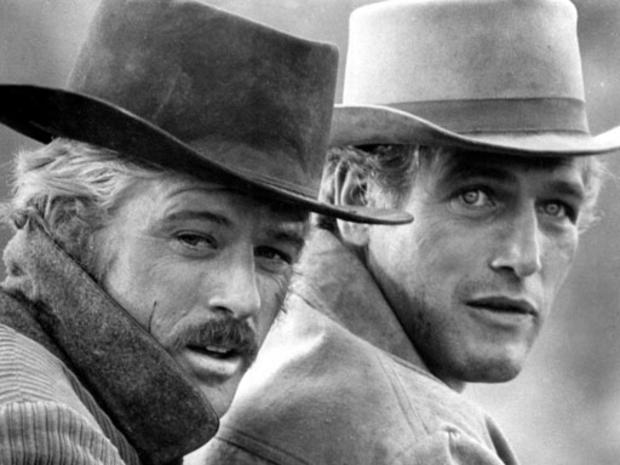
Actor Robert Redford has been an outspoken advocate of preserving the national parks ever since he shot "Butch Cassidy and the Sundance Kid" in Zion in the '60s. He worries the government no longer has the funds to protect the parks from more development. In in this 1969 file photo, actors Robert Redford, left, as the Sundance Kid and Paul Newman as Butch Cassidy appear in this scene from the film.
Michael Loccisano/Getty Images for HBO
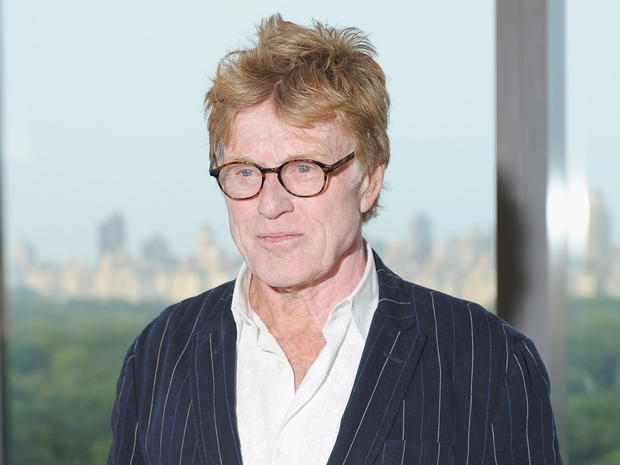
"Once you start something, it's kind of hard to bring it back," Redford told CBS News. "The national parks here in this country are some of the greatest places on earth. Let's at least leave something for our future generations, so they don't have to see this either on a film or in photos, they can see it with their own eyes." Robert Redford is seen here attending the Mann V. Ford screening at Time Warner Center Screening Room on July 11, 2011 in New York.
CBS
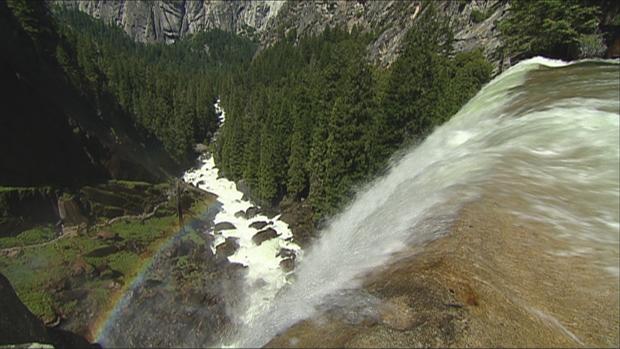
Without government funds, some conservationists are moving into action. The Trust for Public Land found a private donor who bought land for sale at the base of Tabernacle Dome. Dozens of homes could have been built, but the land will now be gifted to the Park Service. In this photo, a view of national park land is seen.