History-making East Coast hurricanes
But the question remains, will Irene become a historic hurricane like it's destructive predecessors -- Hurricanes Fran, Floyd, Donna and Gloria? Let's hope not!
Jay Barnes, a hurricane historian and author of "North Carolina's Hurricane History," spoke with "Early Show" co-anchors Erica Hill and Chris Wragge about the impact of hurricanes on the East Coast.
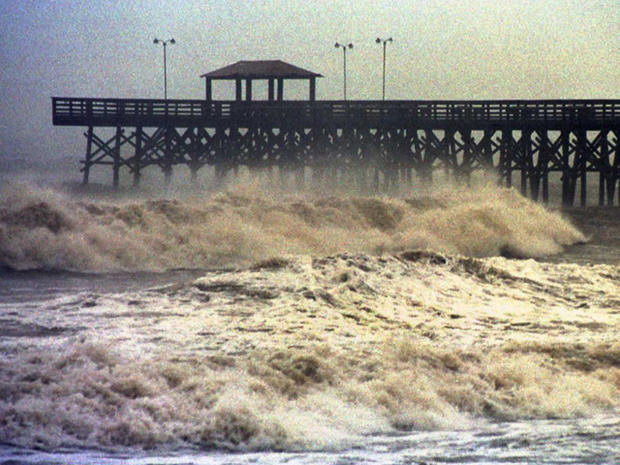
Pictured are high waves and strong winds from Hurricane Fran crashing past the 2nd Avenue Pier on Sept. 5, 1996 in Myrtle Beach, SC.
Special Section: Hurricane Irene
Monster hurricanes that have hammered the East Coast
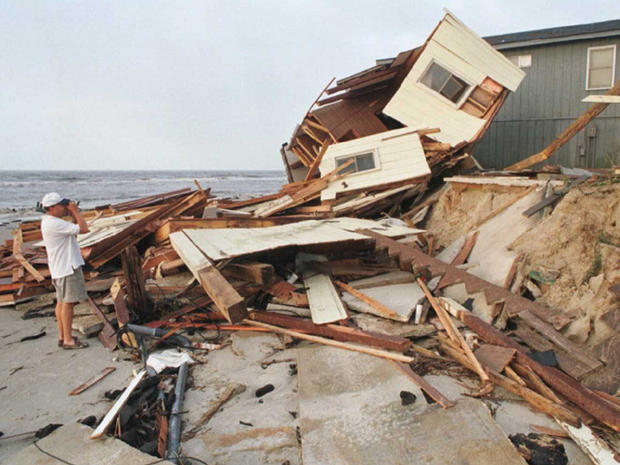
Max Crowe takes a picture of a house leveled by the high winds and storm surge of Hurricane Fran in Holden Beach, NC on Sept. 7, 1996. Seventeen people were reported killed by the storm.
Special Section: Hurricane Irene Monster hurricanes that have hammered the East Coast
Special Section: Hurricane Irene Monster hurricanes that have hammered the East Coast
Special Section: Hurricane Irene Monster hurricanes that have hammered the East Coast
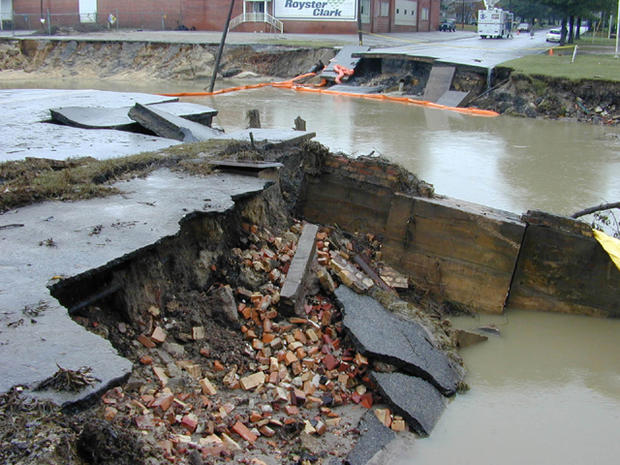
Water from hurricane Floyd destroys a bridge in Greenville, NC on Sept. 27, 1999.
Special Section: Hurricane Irene Monster hurricanes that have hammered the East Coast
Special Section: Hurricane Irene Monster hurricanes that have hammered the East Coast
Special Section: Hurricane Irene Monster hurricanes that have hammered the East Coast
Special Section: Hurricane Irene Monster hurricanes that have hammered the East Coast
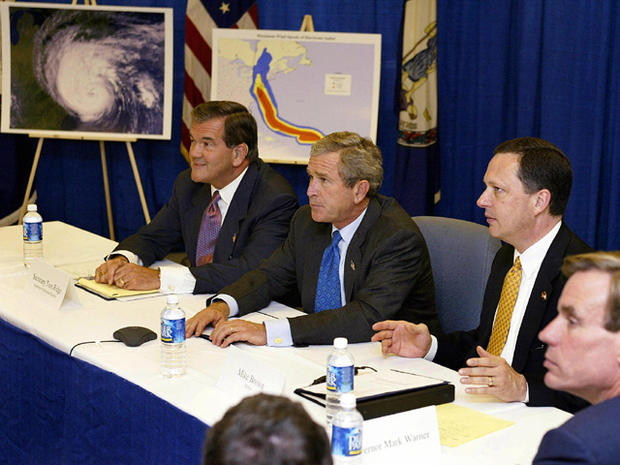
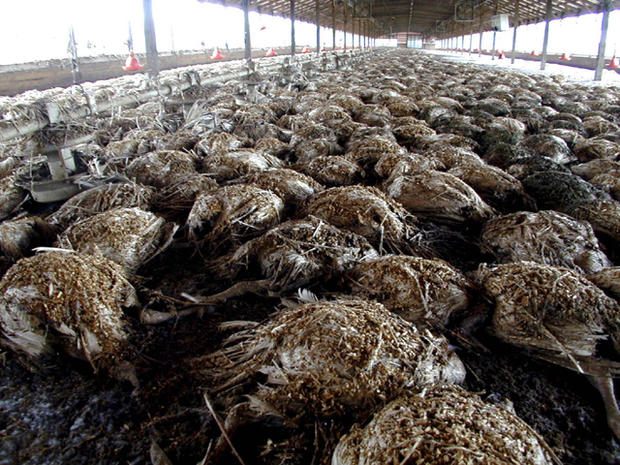
Nineteen deaths in Virginia were blamed on the storm and some 813,000 Dominion Virginia Power customers were without service.
Special Section: Hurricane Irene Monster hurricanes that have hammered the East Coast
Special Section: Hurricane Irene Monster hurricanes that have hammered the East Coast
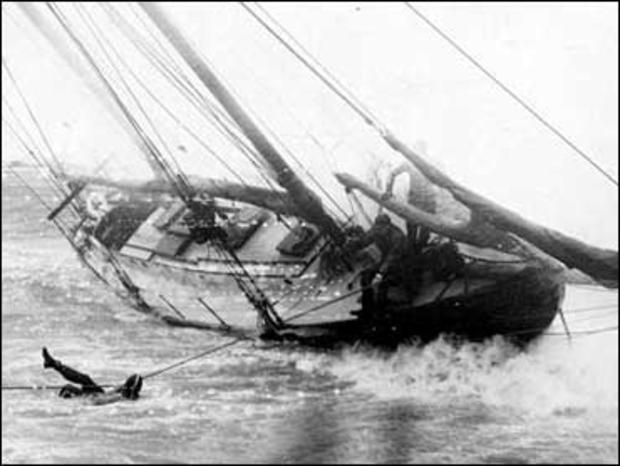
No two hurricanes are alike, he adds, but right now Irene is taking a course similar to Donna, although it doesn't appear that it will have that kind of strength in the North.
Pictured are the crew members of a two-masted schooner being tossed by Hurricane Donna in September 1960. They are rescuing a shipmate in Boston Harbor. The man on the rope was saved, but the schooner was smashed against the sea wall. Leo Renahan of the Boston Record American made this dramatic picture.
Special Section: Hurricane Irene Monster hurricanes that have hammered the East Coast
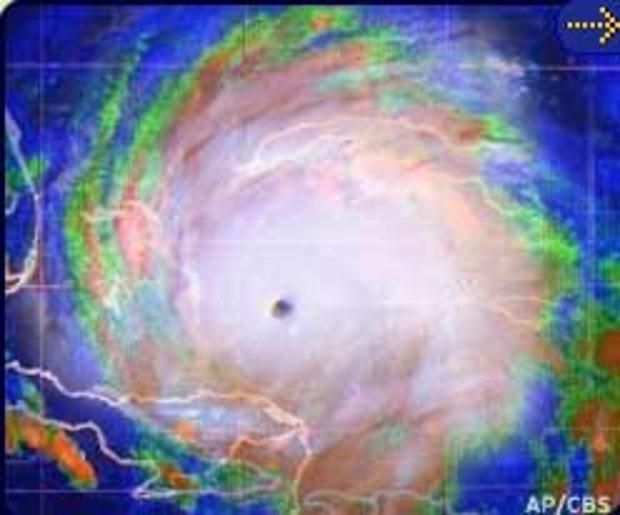
The Great Atlantic hurricane of '44 was similar to Irene in that it was very large in diameter and very powerful, according to hurricane historian Jay Barnes.
It raced northward and caught a lot of ships by surprise, many lives lost at sea. There was major destruction and flooding in Atlantic City, N.J., New York City and Long Island - all areas that could be affected by Hurricane Irene.
Special Section: Hurricane Irene Monster hurricanes that have hammered the East Coast
Special Section: Hurricane Irene Monster hurricanes that have hammered the East Coast