istockphoto
Cavities, schmavities. You know all about tooth decay. But did you know that your mouth reveals a lot about your health? All sorts of conditions and diseases make their mark on your teeth, tongue, and gums. So keep clicking as Dr. Jonathan B. Levine explains just what to look for when you peer into the mirror.
It just might save your life.
Dr. Levine is an associate professor at New York University School of Dentistry and the author of "Smile! The Ultimate Guide to Achieving Smile Beauty."
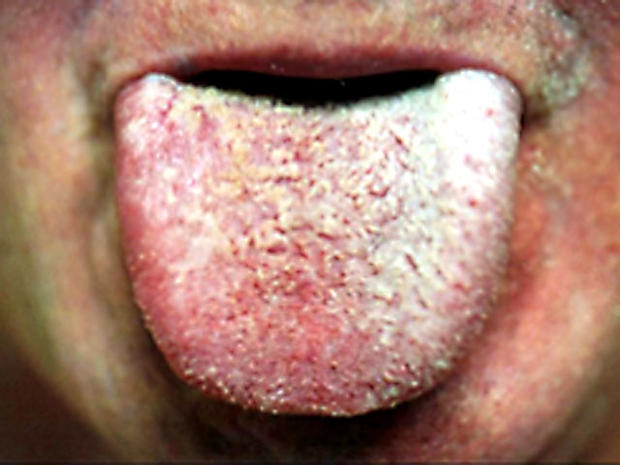
Coated white tongue
Jonathan B. Levine & Associates
Does your tongue have a whitish "coat?" That could be caused by something as simple as poor oral hygiene, mouth breathing, dehydration, or fever. But patches of white can indicate a weakened immune system or other serious conditions.
White patches known as oral leukoplakia are often precancerous. Other possibilities include an overgrowth of yeast called "thrush," an autoimmune disorder called lichen planus, or even syphilis.
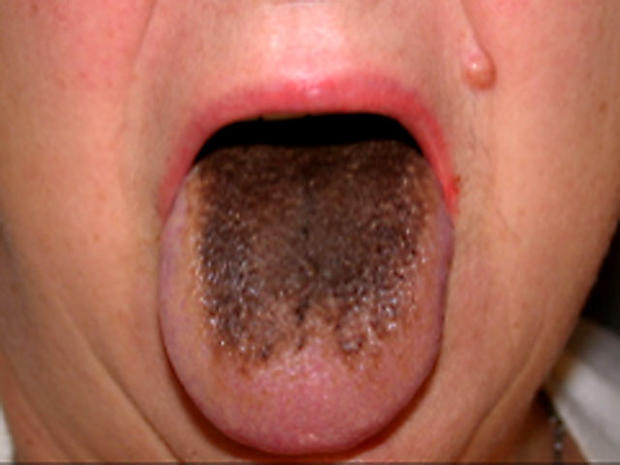
Black tongue
Jonathan B. Levine & Associates
A black, "hairy" tongue is usually the result of an overgrowth of bacteria in the mouth. In some cases, the condition is linked to smoking or chewing tobacco, poor oral hygiene, or the use of antibiotics that affect the balance of bacteria in the mouth. In other cases, a poor diet - not enough fiber, fruits, or vegetables - is to blame.
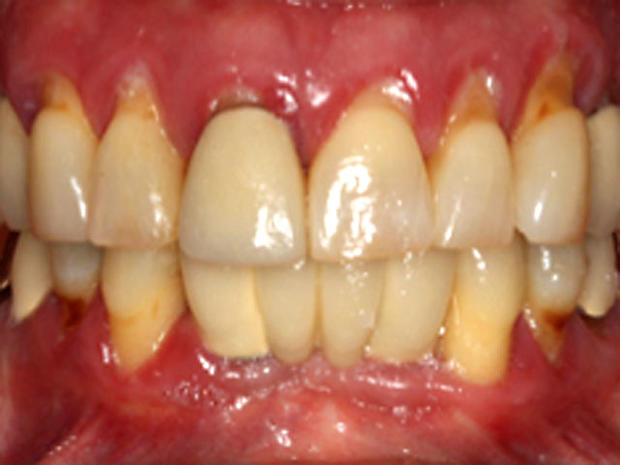
Inflamed gums
Jonathan B. Levine & Associates
Inflammation in the mouth can signal inflammation elsewhere in the body - including in the cardiovascular system. So if your gums are red and puffy and bleed easily when you brush, you may be at risk for a range of chronic inflammatory diseases, including heart disease, type 2 diabetes, and dementia.
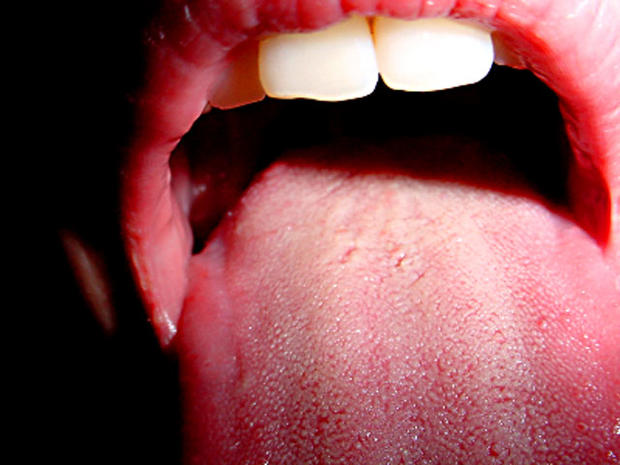
Geographic tongue
Jonathan B. Levine & Associates
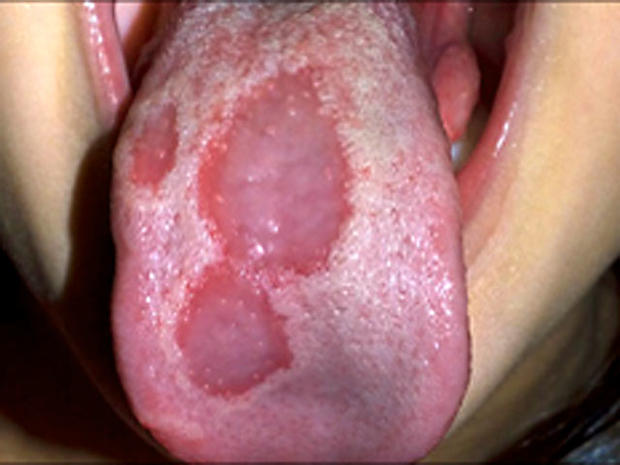
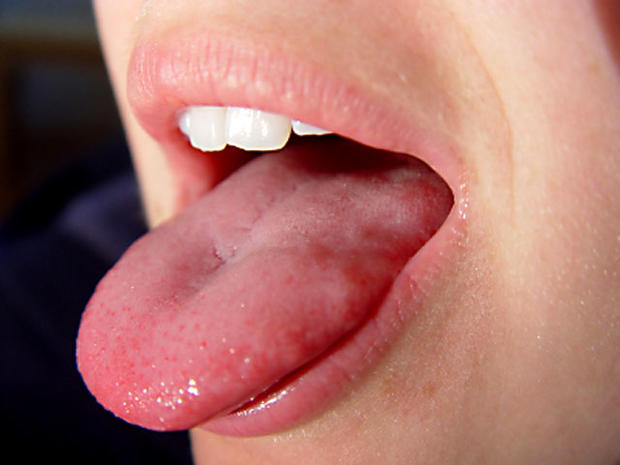
Here's a condition that looks scary but is usually harmless.
A geographic tongue is marked by discolorations or by fissures that give it a map-like appearance. Apparent causes include hormonal changes (women are twice as likely as men to have geographic tongue), diabetes, allergies, skin disorders - or even psychological stress.
Worn teeth
Jonathan B. Levine & Associates
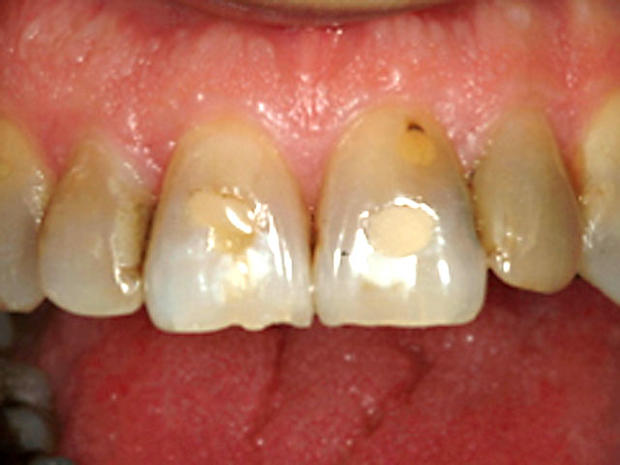
All sorts of things can lead to worn teeth - and not just grinding or clenching your choppers. Worn teeth can also be evidence of acid-reflux disease or the binge-and-purge eating disorder known as bulimia (the highly acidic vomit damages causes tooth erosion). Worn teeth can affect your speech and, by affecting your eating, even your nutrition.
Sensitive teeth
Jonathan B. Levine & Associates
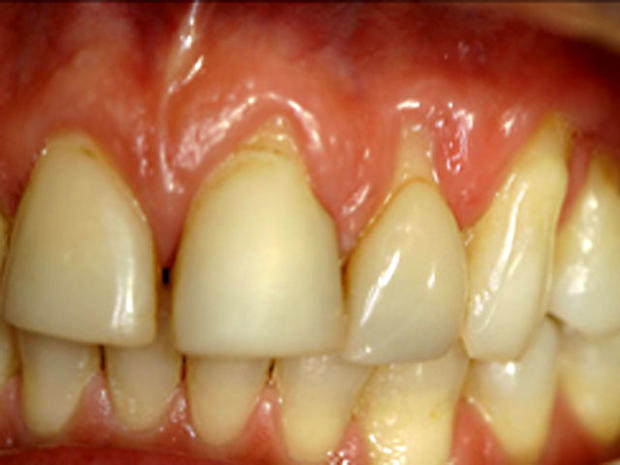
Are your teeth sensitive to hot or cold? To sweet or acidic foods? Often that's the result of gum recession, which exposes the sensitive root tissue. Gastric reflux and bulimia can also cause tooth erosion that leaves teeth sensitive.
Red tongue
Jonathan B. Levine & Associates
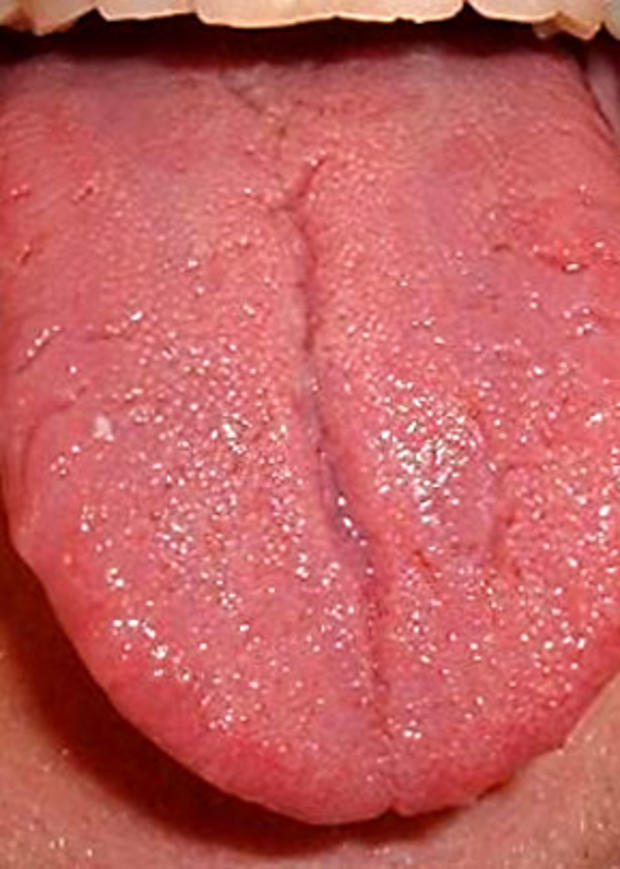
Tongues are supposed to be pink. A tongue that leans more toward dark pink or even deep red may be evidence of a nutritional deficiency. Anemia is one possibility. Others include deficiencies of folic acid, B-12, or B-13.
Swollen tongue
istockphoto
A swollen tongue can indicate a strep infection or thyroid disorder - or even cancer. People with Down syndrome often have thickened tongues.
Canker sores
Jonathan B. Levine & Associates
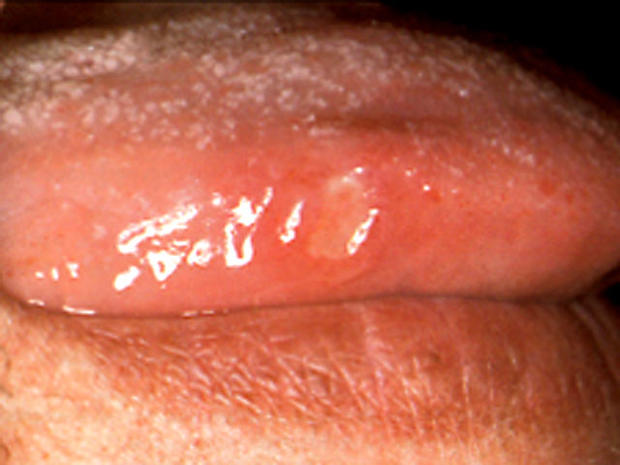
Cankers are painful sores inside the mouth. Studies have linked them to the inflammatory bowel diseases Crohn's disease and ulcerative colitis. Canker sores are not the same thing as cold sores, which generally appear on the outer lip (and which are caused by herpes virus).
Bad breath
istockphoto
Poor oral hygiene is a leading cause bad breath. A persistent problem may be evidence of gum disease, marked by deep pockets near the tooth roots where sulfur-producing bacteria thrive. Breath that smells of ammonia could be a sign of kidney disease.
Jaw pain, soreness, or stiffness
istockphoto
Pain or stiffness in the jaw can be evidence of a problem with the temporomandibular joint (TMJ). TMJ problems are sometimes the result of chronic clenching of the jaw - which, in turn, can be caused by chronic psychological stress.