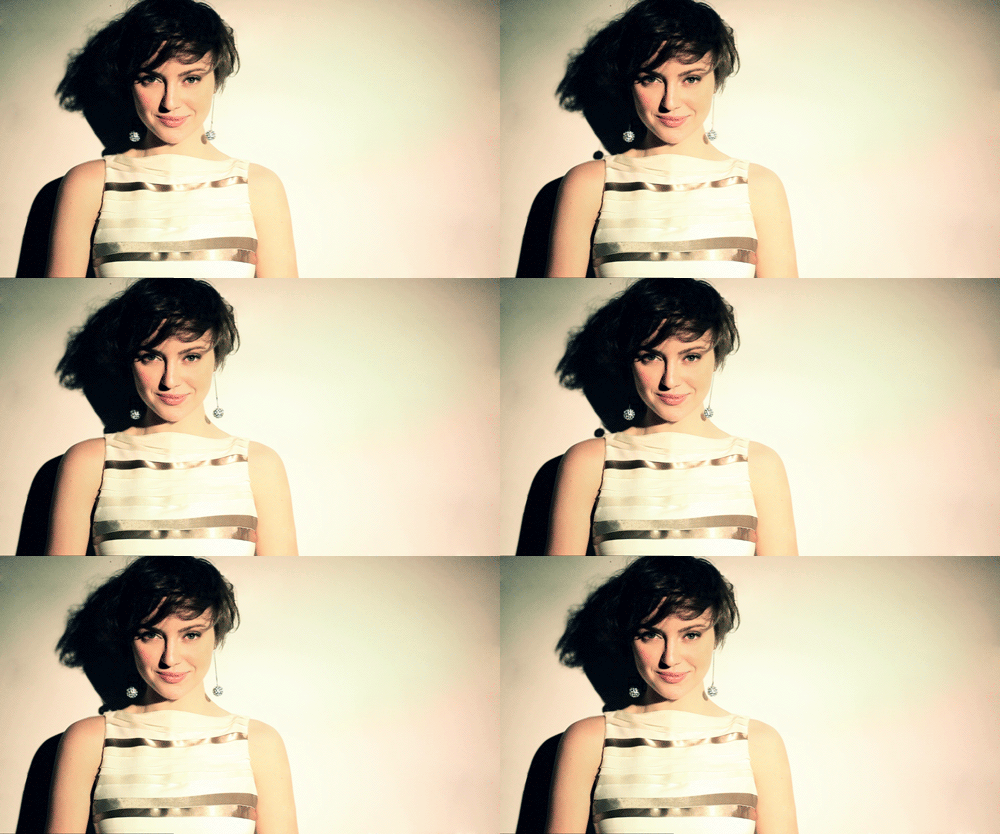
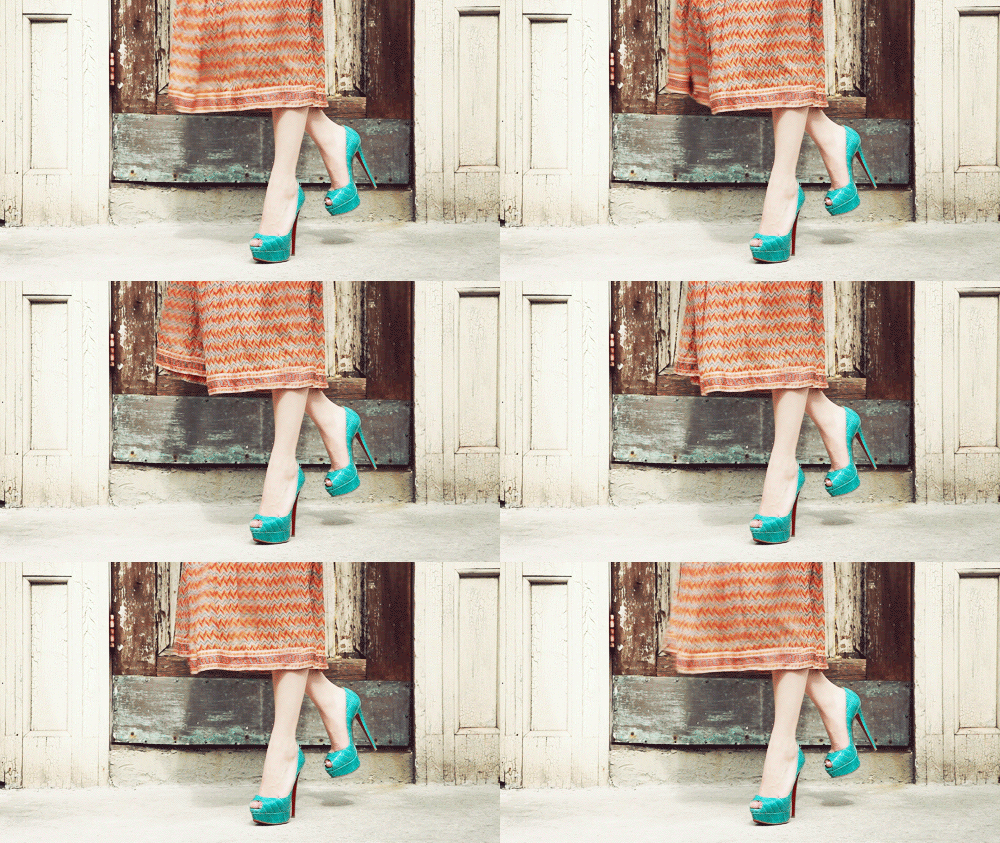
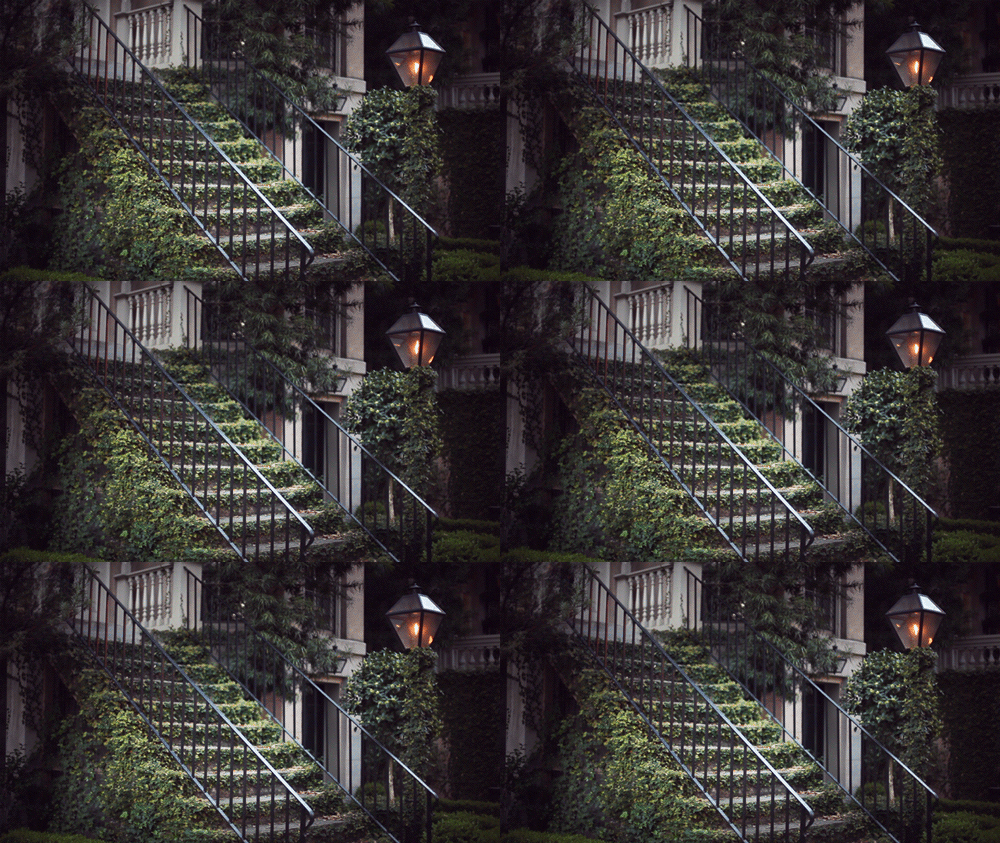
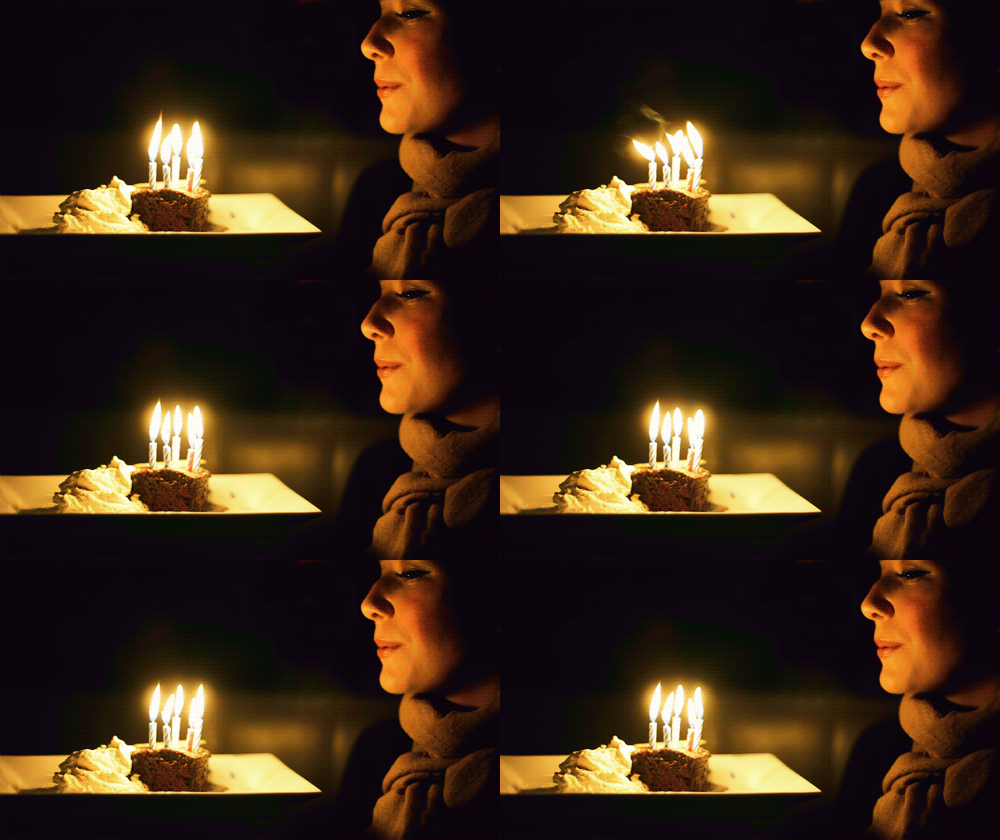
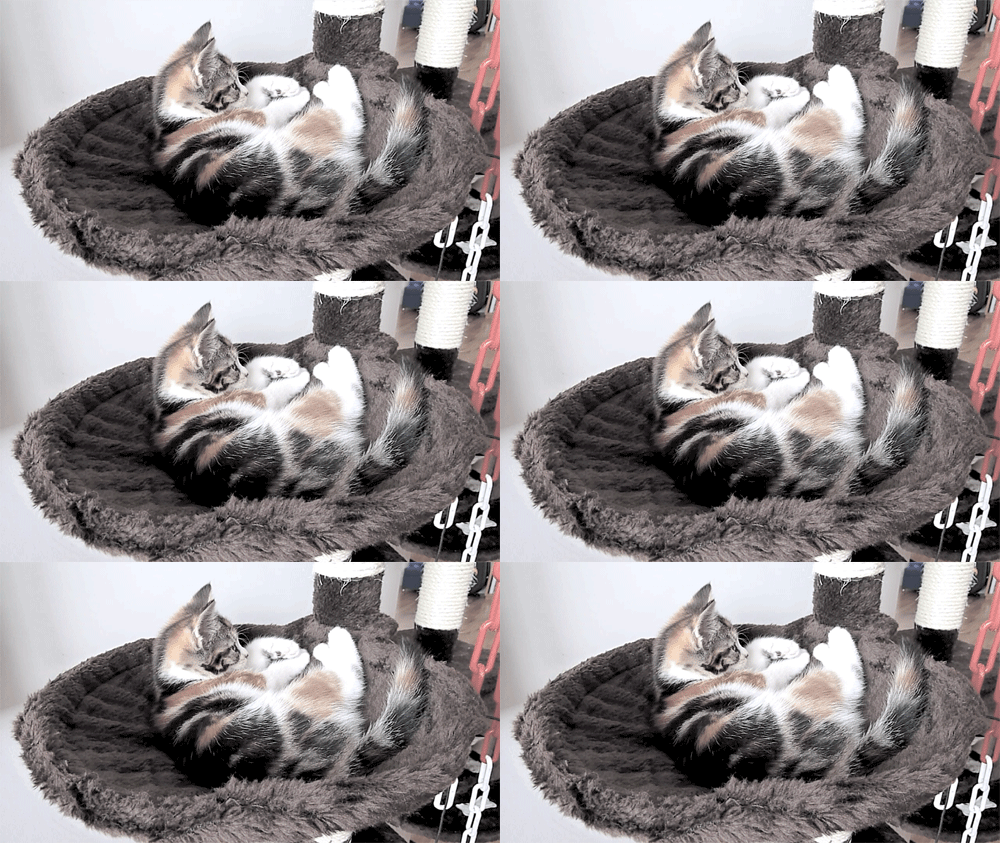
cinemagraphs.com
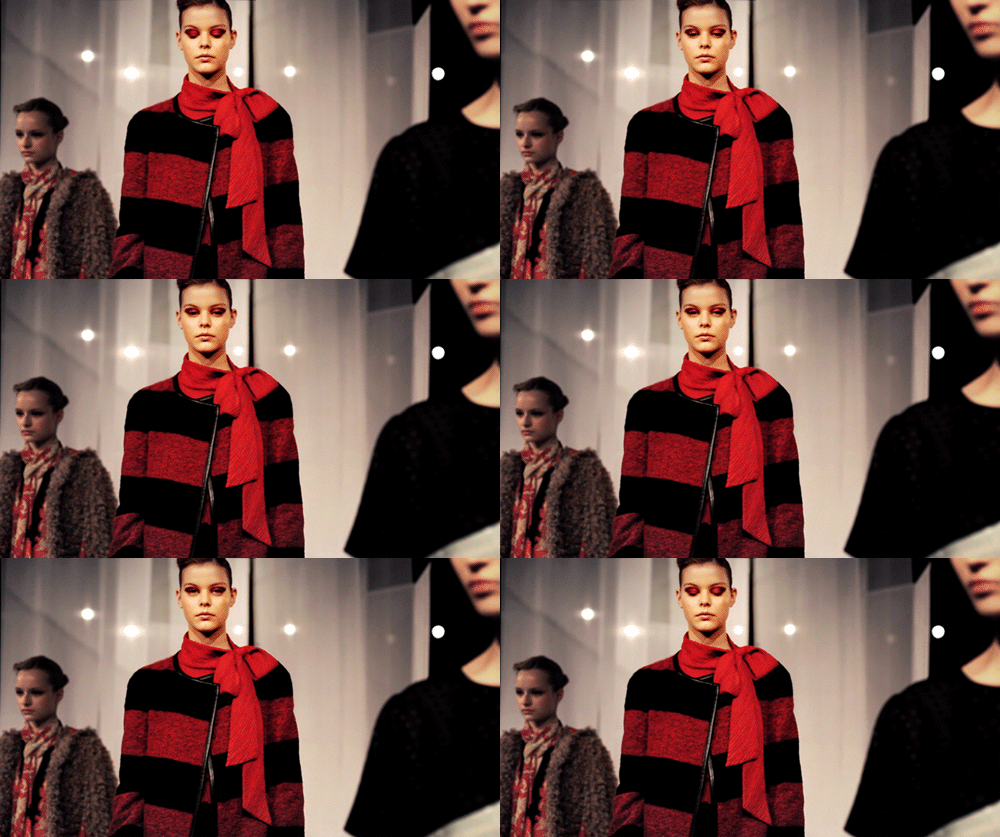
They exist in-between still photographs and video, and are a mesmerizing new form of artistic expression. Adapting a legacy file format with new digital tools, photographer Jamie Beck and visual graphics artist Kevin Burg have created what they called "cinemagraphs" - still images that move - thus capturing and preserving moments in time with precision and emotion.
Note: This gallery is best viewed in Firefox, Safari and Chrome.
By CBSNews.com producer David Morgan
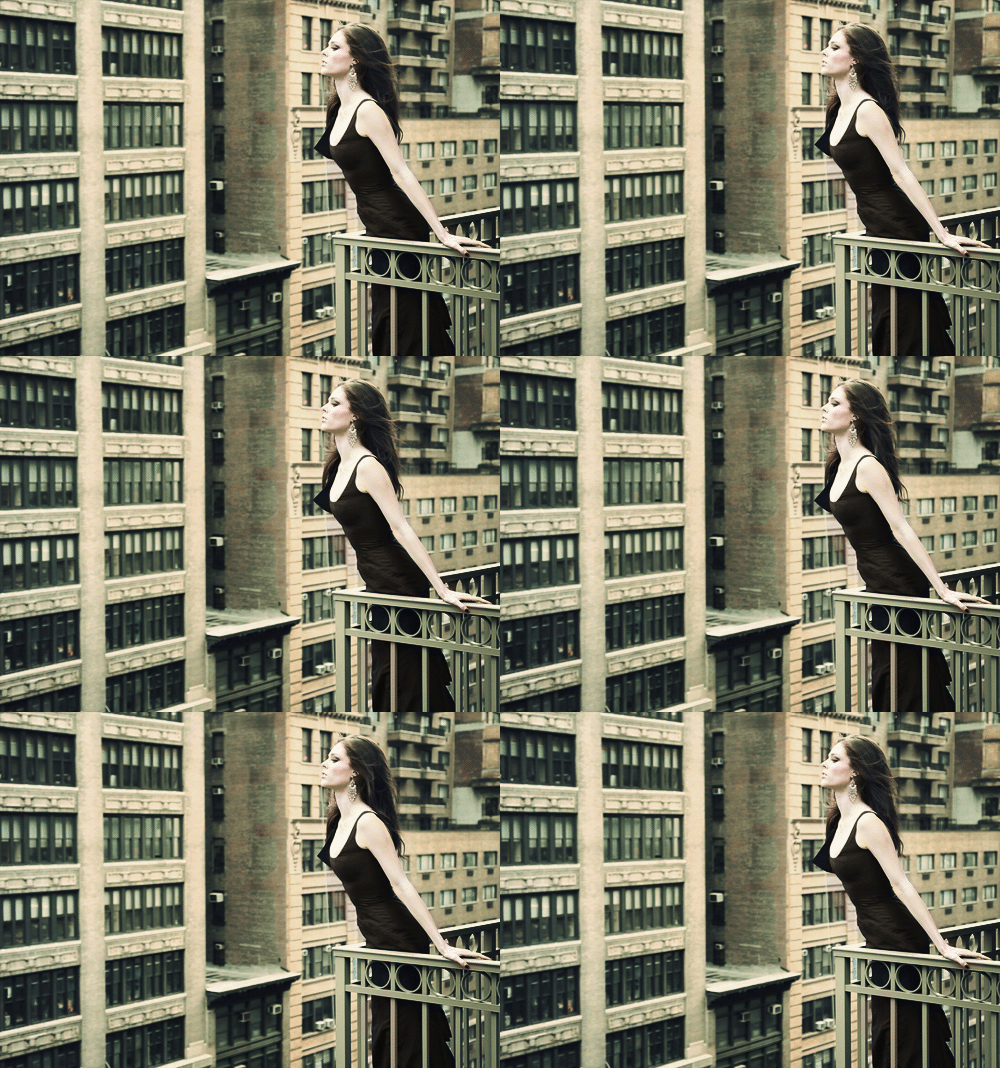
Balcony
cinemagraphs.com
"When I'm looking through a book or magazine, I look at something and say, 'Oh, how wonderful if that were alive,'" said fashion photographer Jamie Beck.
Stir
cinemagraphs.com
Although each cinemagraph is a unique production, they all begin conceptually as a still image.
"Jamie has been a photographer for most of her life, so she will compose a shot in the same way as she would a photograph," said designer Kevin Burg. "But then we shoot both still and video, and in the editing process we combine them using a handful of techniques to get a loop and masking off different areas."
Glance

cinemagraphs.com
"Most of them are very different from others. We've been doing this for six or eight months, and still almost every single one has a completely different challenge," said Kevin. "We have to learn new things, how to do it, hope to get better."
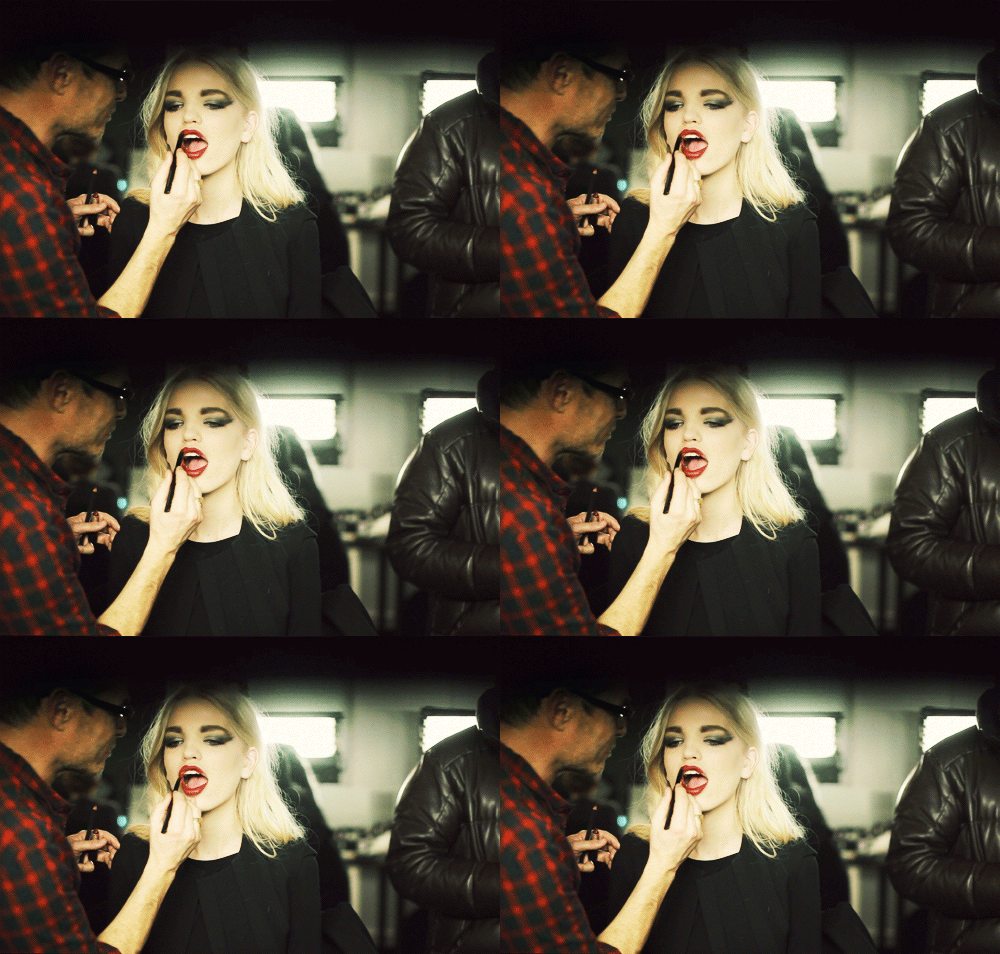
Makeup
cinemagraphs.com
"Basically we take a photograph and then we shoot video," said Jamie. "So at the heart of it is this photograph - a master copy of the moment. Then Kevin will take part of the video frames, that part that we're going to have moving, and he hand-stitches them into the photograph. And then it is retouched the same way it is for any other normal photography."
The image is then saved as an animated GIF file. The result? A still image that, in Jamie's word, "is alive."
Runway
cinemagraphs.com
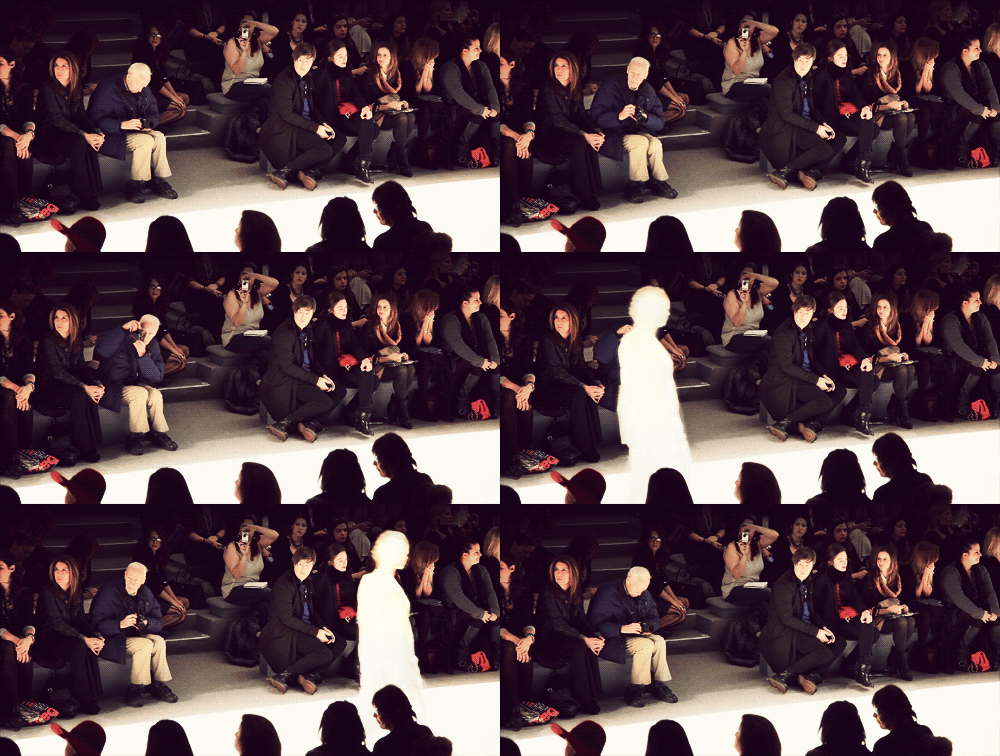
Jamie and Kevin captured New York Times photographer Bill Cunningham grabbing a shot of a runway model at Fashion Week.
"It's something I never thought about before doing this: What does it say about the scene, about the guy picking up a camera, because he's the only one moving - he and the model aren't still. I think it communicates things about his individual take on the world. He's not concerned with what he SHOULD be shooting, he's not concerned about, 'Do I need a big camera, big flash, lot of equipment?'
"There's ways to manipulate the photo and the movement to communicate these things. Often times things will come out of the footage in response to what the person does."
Dancing Baby

CBS
In the 1990s Netscape's Navigator browser allowed animation to be viewed from images in the Graphics Interchange Format (or GIF, pronounced "Jiff"). The format, developed by Compuserve, allowed simple moving graphics to be produced.
Animated GIFs, such as the Dancing Baby (a computer generated tyke that was copied by many), proved to be some of the earliest viral sensations on the web.
GIFs were limited: They could only reproduce 256 colors, and file size limited movement. For dancing babies maybe it didn't matter so much. But a patent fight involving Unisys and Compuserve - and a perceived threat of paying royalties for posting GIFs - led to growing disparagement among web designers, and a drop-off in use of GIF files.
Flickers
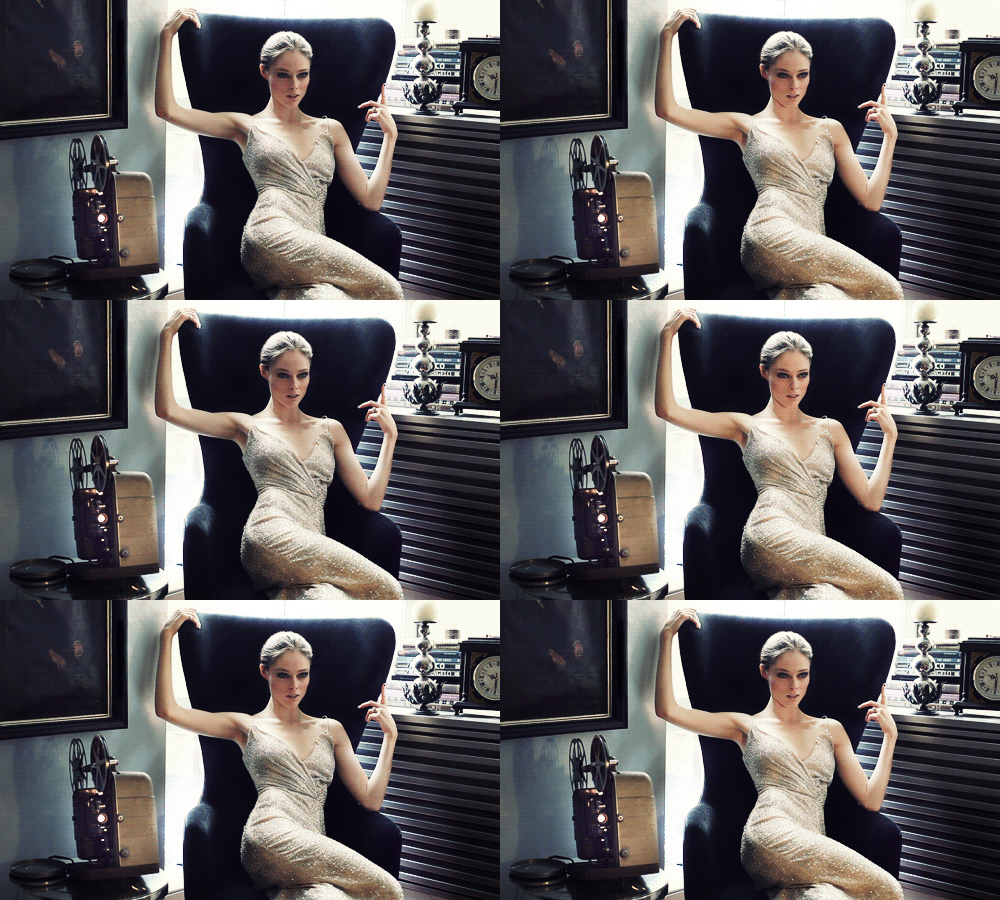
cinemagraphs.com
Beck and Burg's technique is an amazing advance, but relying on the GIF format - a legacy of the late 1980s - has its limitations. Both would like to see a new file format developed that would exist in-between a still image (a typical TIFF or JPG) and a video (MOV) file.
"I think what we'll look to more is mobile devices, or new technology that doesn't have to rely so much on legacy formats," said Kevin.
Subway

cinemagraphs.com
"The GIF file format has a bunch of limitations, but it's also those limitations that spawned this technique," said Kevin.
The image-sharing website Tumblr (where these cinemagraphs have been posted) also imposes limitations: A maximum file size of 512 Kb.
"How do you get as much information into this limited file size as possible?" asked Kevin. "In GIF files the motion counts against the file size, so if the entire frame moves you can only fit in maybe 7 or 8 frames. But if you start to mask off areas that are moving, then you can have more movement in a limited area."
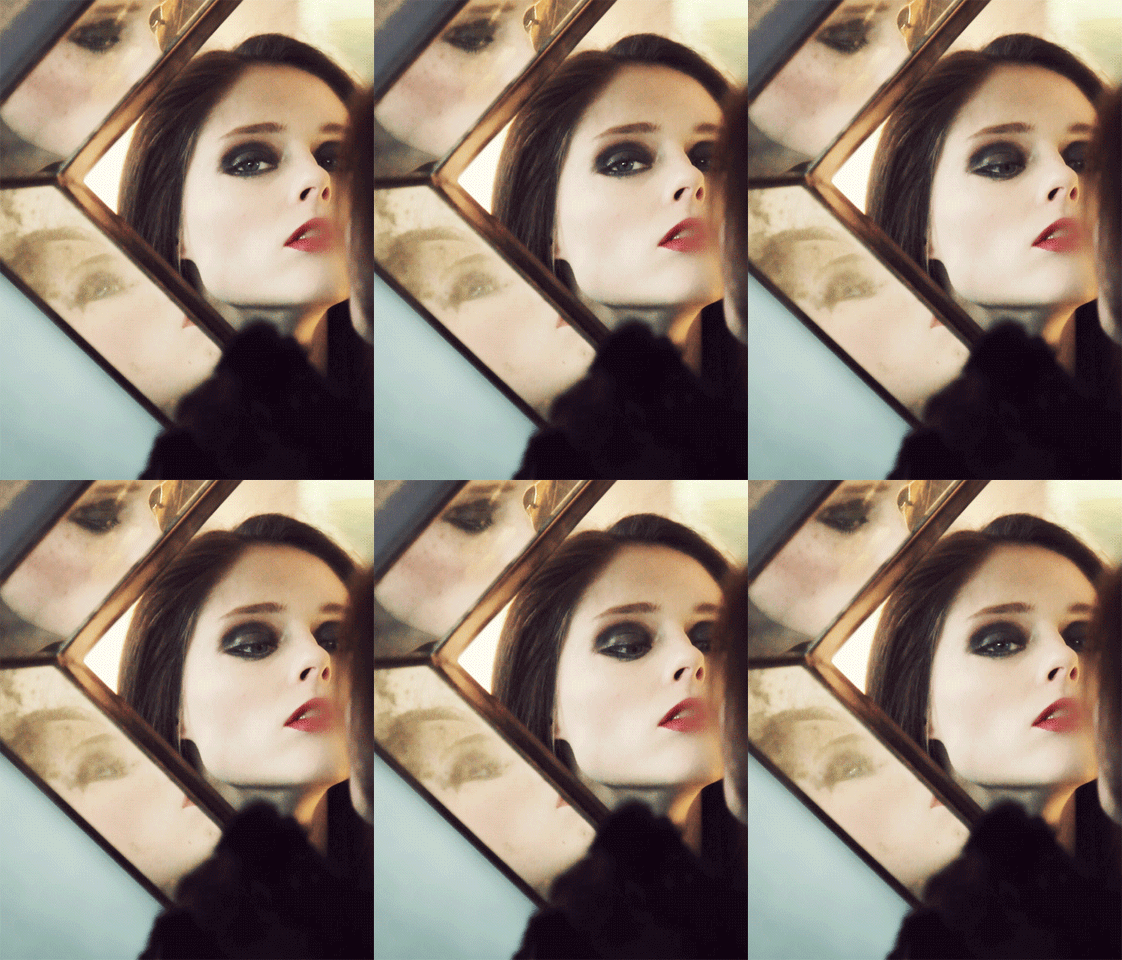
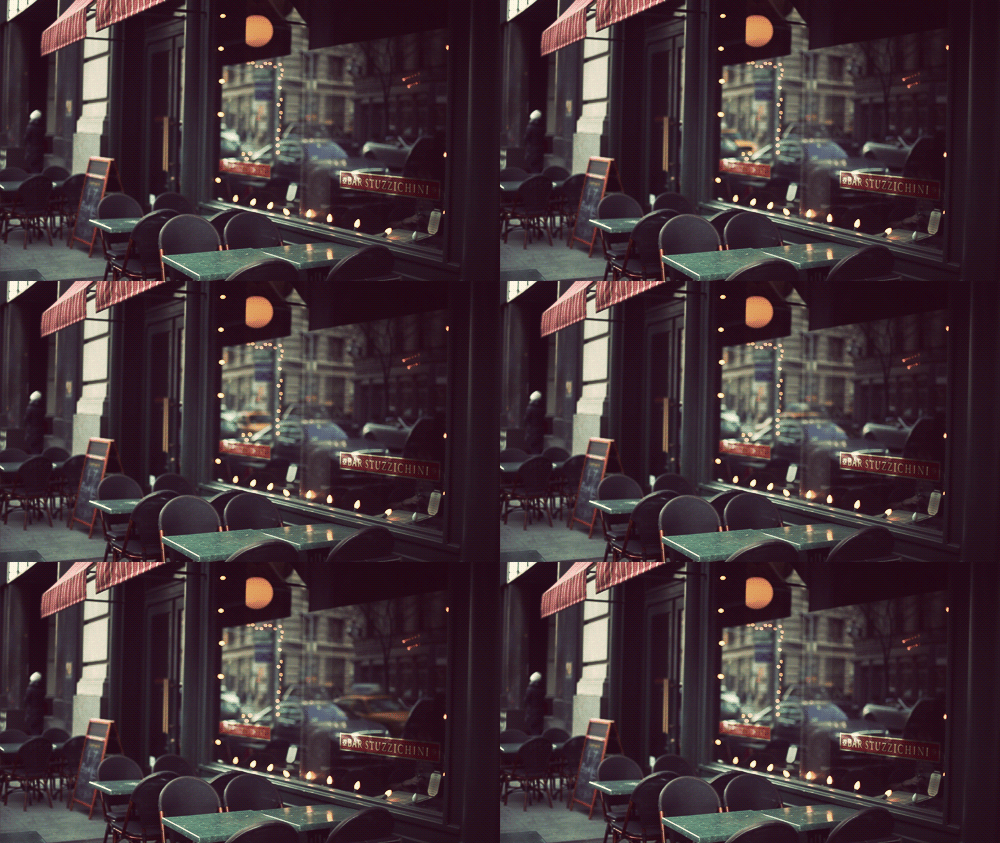
Reflection
cinemagraphs.com
A cab flitters past the window of a restaurant.
"That happened organically," said Jamie. "I was actually going to shoot it - it was like that perfect time of day when the sun was going down, the idea that work was done and you would go to the bar. And the cab started driving by the window. In the editing process I was still thinking, 'Let's make the lights twinkle.' And Kevin said, 'No, this is what the moment is - the cab going by.'"
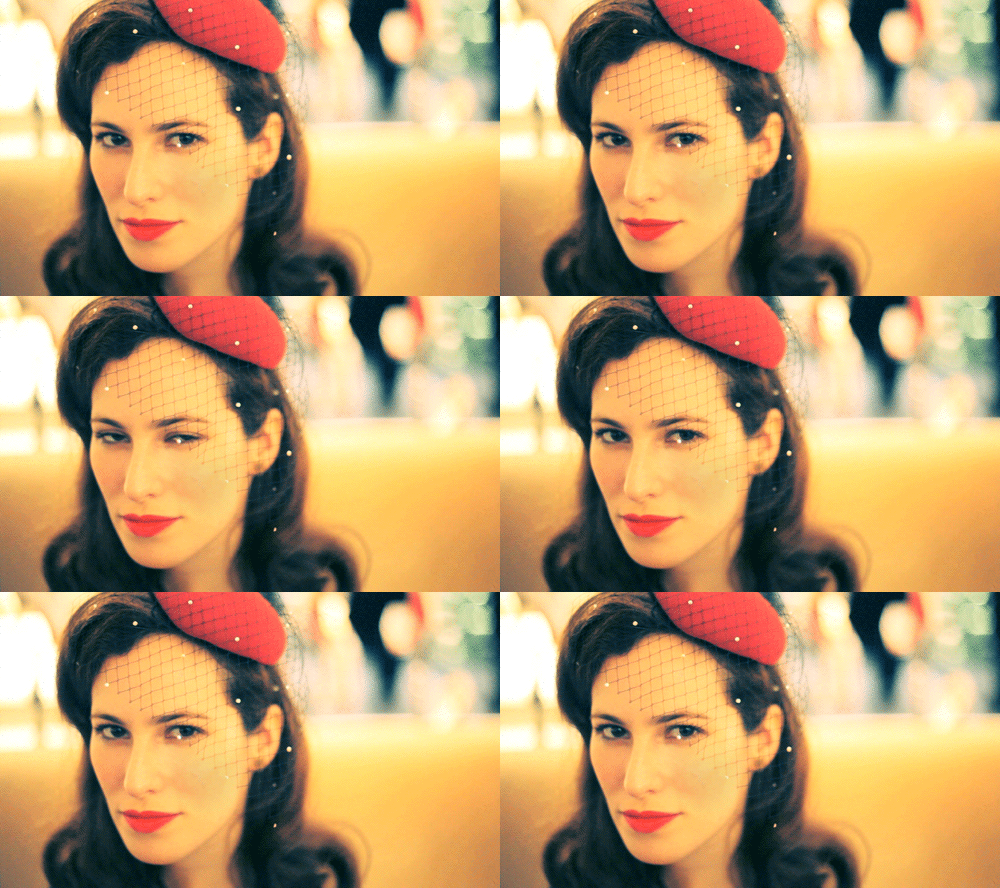
Blink
cinemagraphs.com
"We always like to hear how people interpret the cinemagraphs, because people do interpret them in various ways," said Kevin.
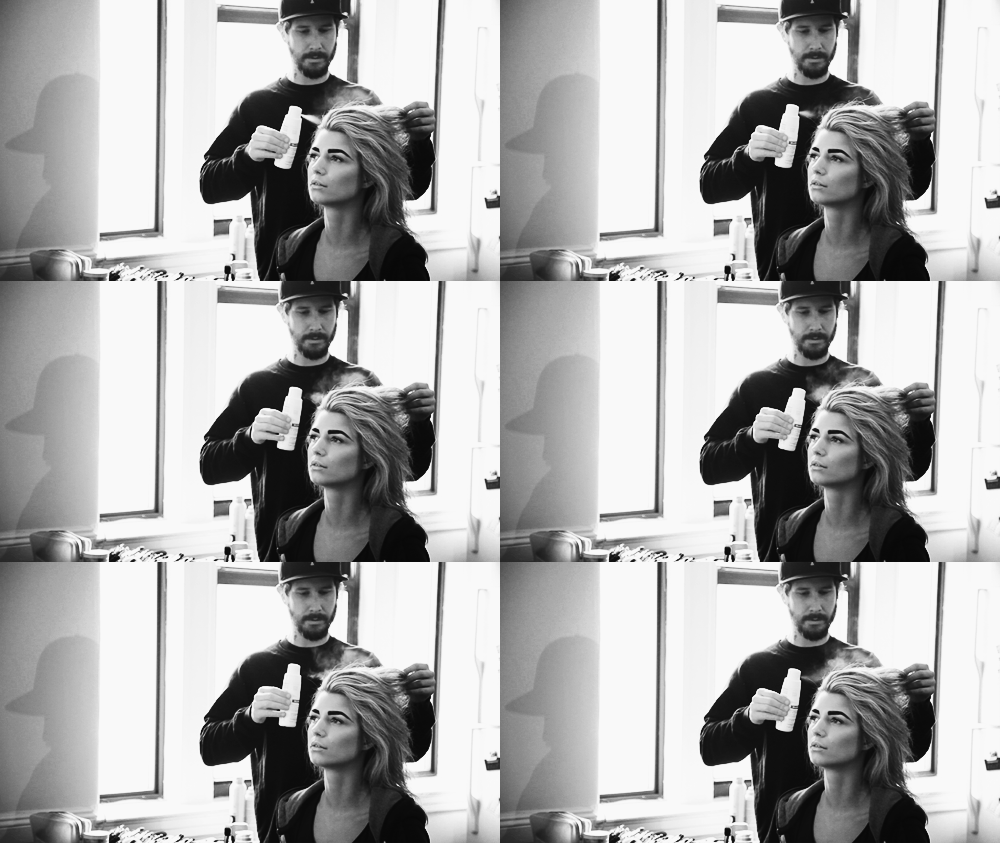
Spritz
cinemagraphs.com
The two have documented Fashion Weeks in New York and London.
"Every day was a big learning experience," Kevin said. "Every day I would be editing and Jamie would be shooting. I would give her a daily report on what worked, what didn't work, and we would be constantly learning.
"So when people start displaying them, when we go to display the images, that learning process will have to start again - people will have to re-think: it's not just a photo, it's not a video, it's something in-between."
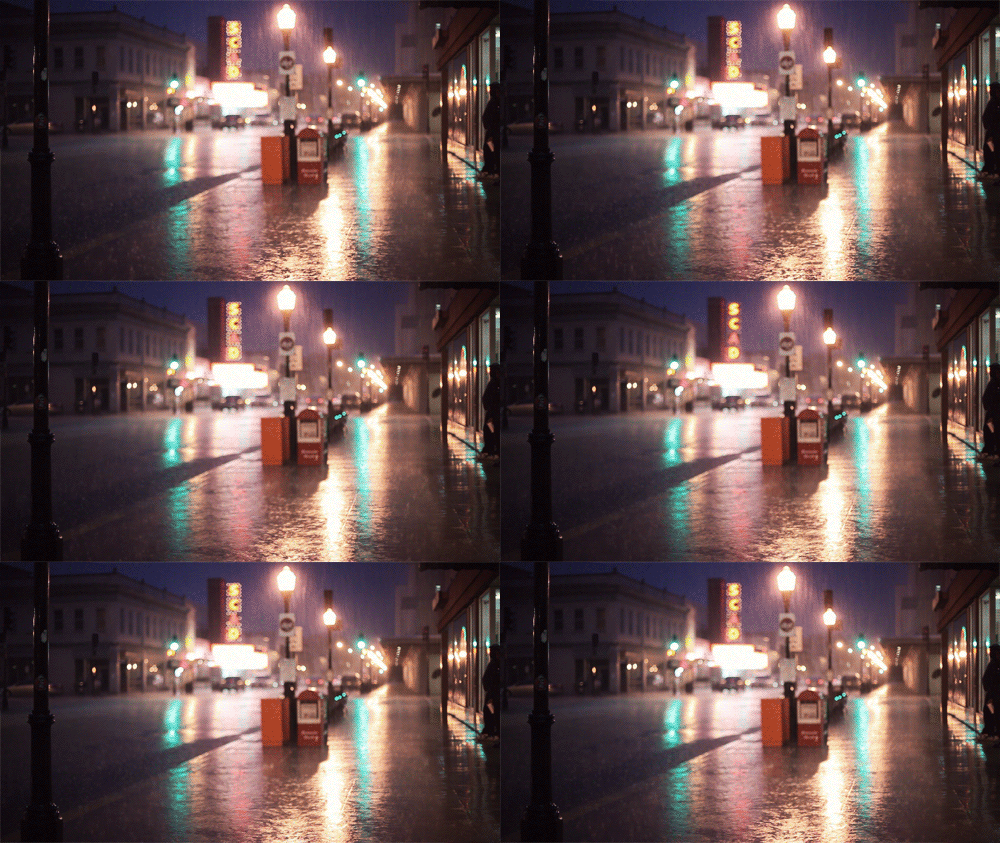
Rainfall
cinemagraphs.com
A cinemagraph - a still image that moves - developed by photographer Jamie Beck and visual graphics artist Kevin Burg.
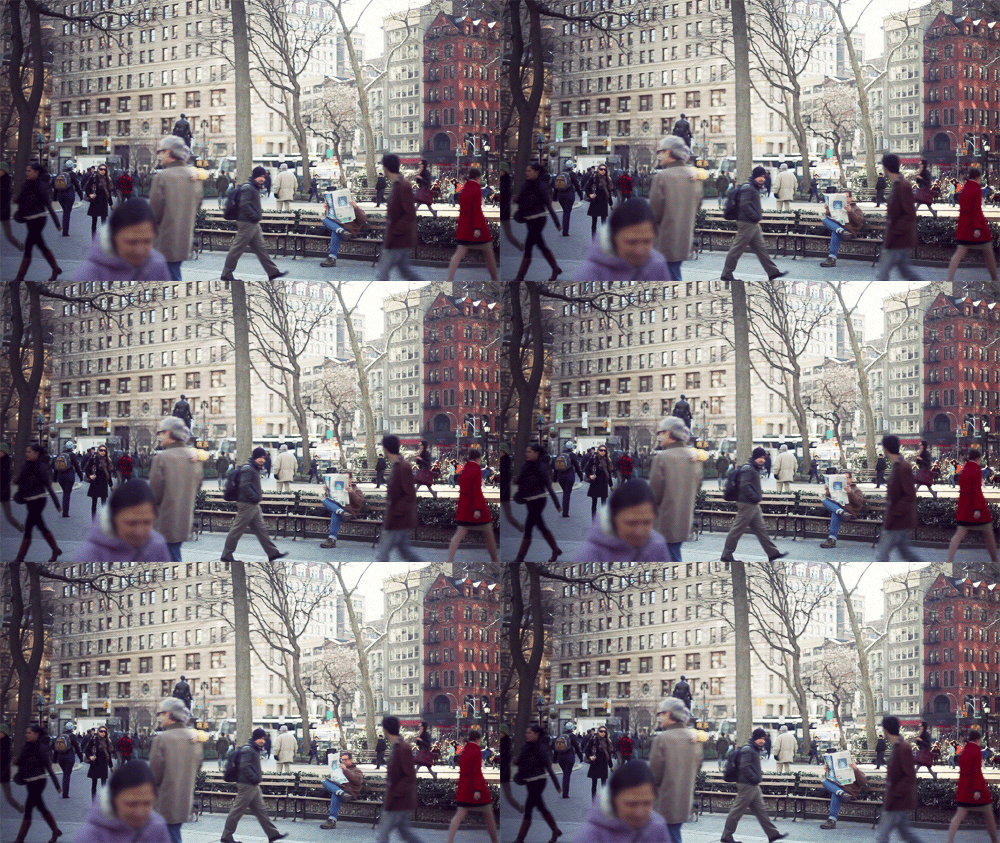
City Park
cinemagraphs.com
One of Jamie's favorites is a view of New York City revealing a man reading a newspaper in Madison Square Park. The only movement we see is his turning the pages while everything around him is frozen. It's as if the photographer captured the subject's POV - all activity is tuned out as he reads.
"He's the smallest thing in the picture but he's the subject," Jamie said. "It's this beautiful, quiet, peaceful moment where he's reading the paper - it's so calm, and yet he's amongst this bustling rush, a crowded city.
"We could have had it where people were walking by, or cabs are going by, but we really wanted the focus to be on him."
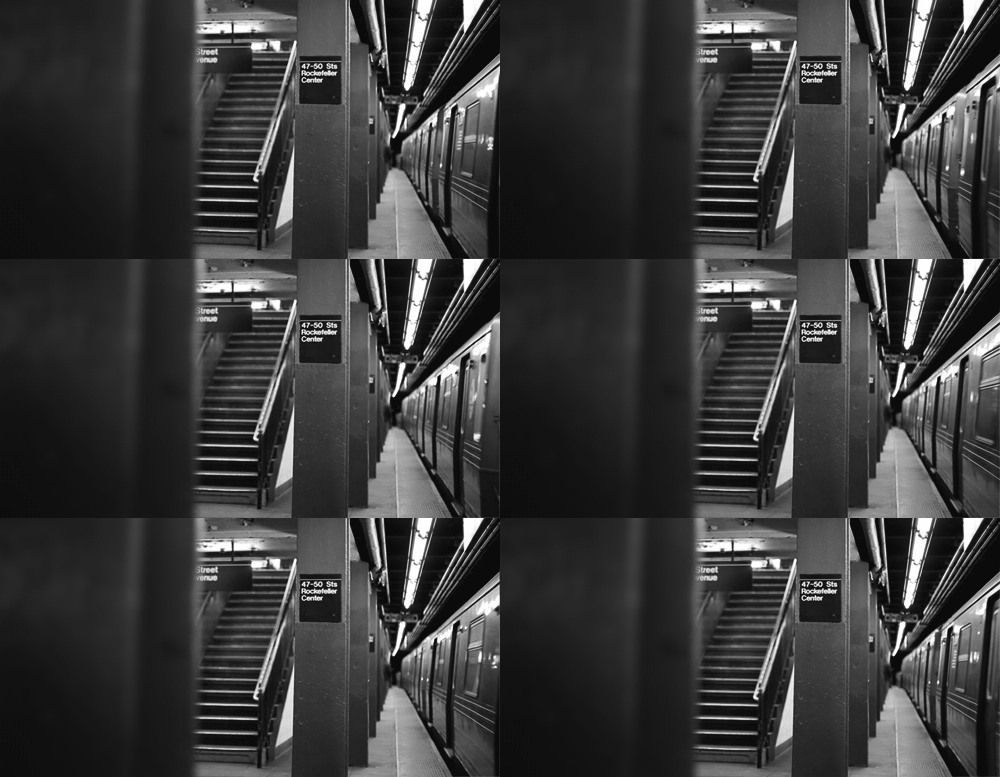
Mind the Gap
cinemagraphs.com
A cinemagraph that pretends to be a video - looped footage endlessly repeating - is somewhat less interesting. However, this image of New York City subway cars continuously passing through a station - a train that NEVER ENDS - is mesmerizing.
Whisp
cinemagraphs.com
The two find that their clients need a lot of explanation about how cinemagraphs are created and what they can do artistically.
"I think a lot of people if they're familiar with our work they usually say, 'I don't know how it's done, but I like it,'" said Kevin. "But it's always helpful especially in terms of practically working together type of thing, to explain how we do it, how the editing process goes. It's still fairly experimental. There's never a guarantee when we shoot. He have a high success rate in terms of making it work, but always it's a little scary after we shoot where we HOPE we got it."
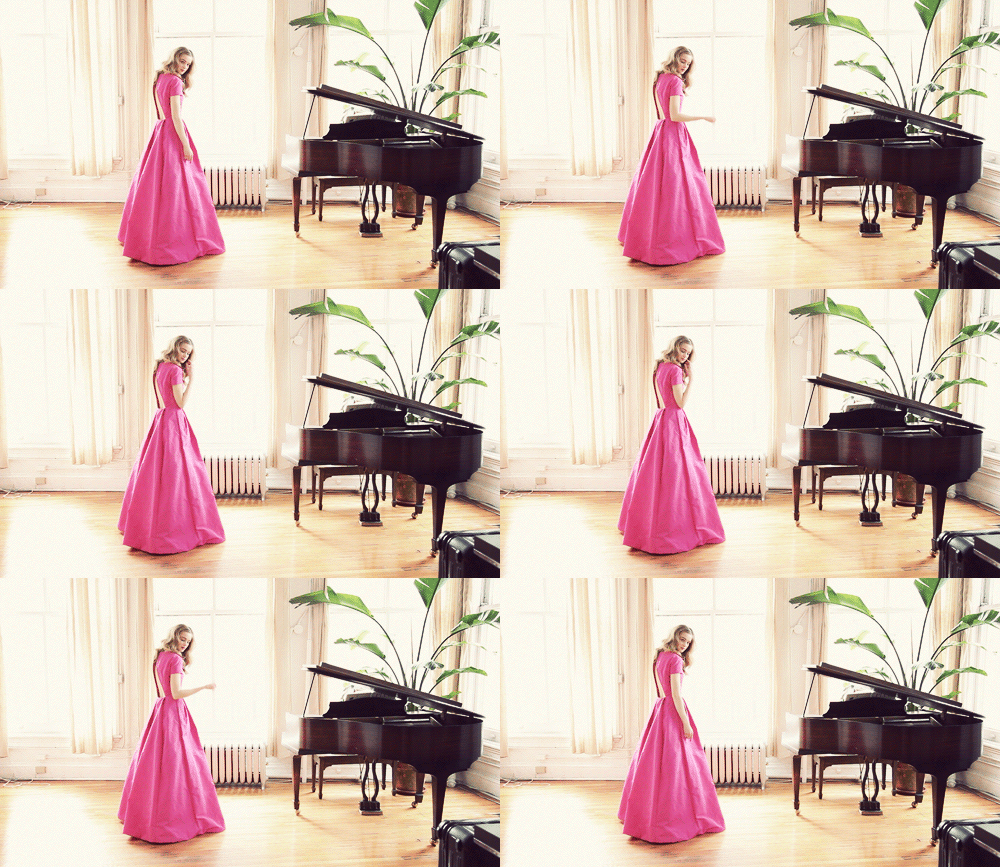
Conservatory
cinemagraphs.com
"And it's not like a photo where you can look at it and go, 'Yeah, we got it.' We really only know when we're done," said Kevin.
Dangle
cinemagraphs.com
"For the most part people see it and they want it - they don't even know exactly what it is, they don't even know how they're going to use it - they just WANT it!" said Jamie.
Hemline
cinemagraphs.com
"Part of our process now is explaining the timeline of what they can expect," said Jamie. "Because we've worked with people who think this should be done instantly. 'Didn't you just shoot this? Can't you make it come alive?' Man, labor has to go into each one!"
Breeze
cinemagraphs.com
"It's pretty amazing," said Jamie. "We get e-mails, people will send us a photograph and say, 'Make this into a cinemagraph.' It baffles me. Like, it's really sweet, but it's just impossible!"
Air Flow
cinemagraphs.com
There are technical difficulties - not just in production, but in displaying the resulting images to as wide an audience as possible.
"We wish everything worked so easily," said Kevin. "To a large extent it does for blogs, and we can make the files work on blogs, and it's shareable that way, and it's really predictable in how it's viewed, especially if it's Tumblr.
"But once you step out of that, there are so many variables, and what we've found is - because it's kind of a new, in-between medium - people don't know how to deal with it. The software that they use to run their websites doesn't know how to deal with it. Even iPads don't really know."
Dangle

cinemagraphs.com
"But we have to kind of do it on a case-by-case basis, if people want to use them on their site," said Kevin. "We try to get the video solution - HTML5 video - but that often comes with limitations, like browser incompatibility.
Flicker
cinemagraphs.com
Jamie: "We just shot a series of image for the Daily, the iPad newspaper. We did both traditional photography and cinemagraphs for each of the scenes that we did, and they didn't know when we shot it if they would even be able to use cinemagraphs just for technical reasons. We're still waiting to find out if they're going to be able to do it when they publish it."
Kevin: "The iPad is actually technically an ideal place to display cinemagraphs. You just need some special programming. I think somebody could create an app that would display them. It's just the predicament of the medium is kind of new or really new, so there's nothing that is built with it in mind."
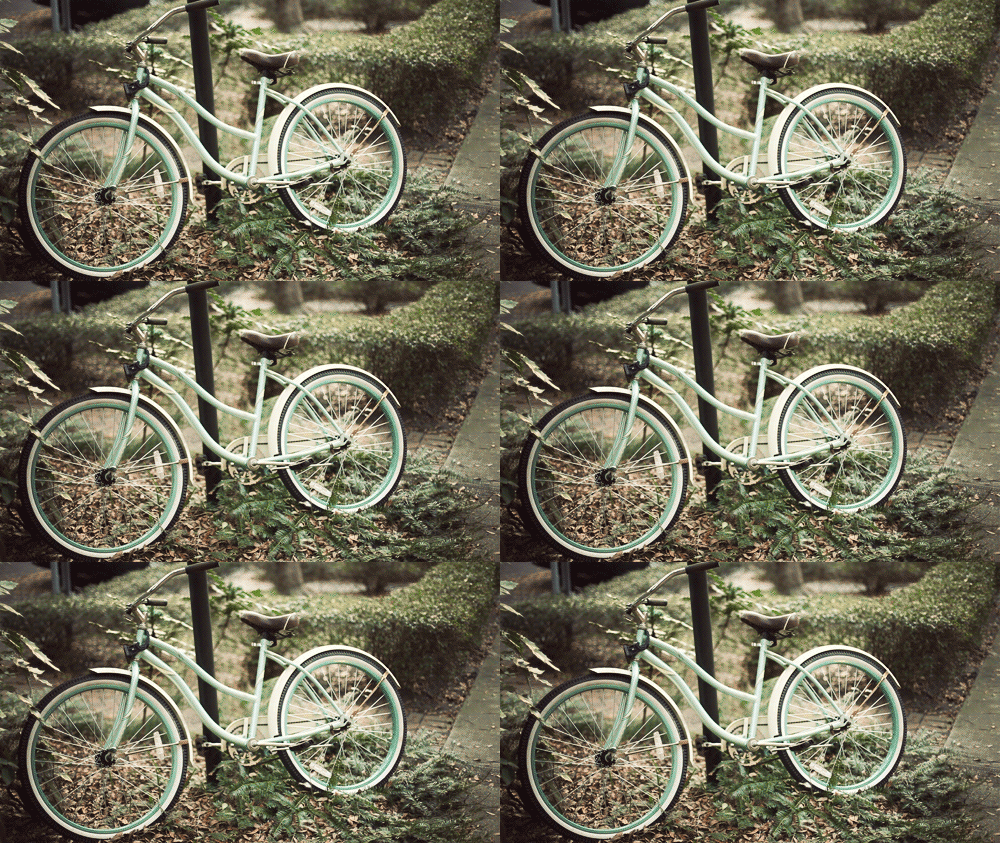
Bicycle
cinemagraphs.com
"I came from a web design background where that was a daily struggle - does the web page need to look exactly the same for every single person? Sometimes you just have to say no," said Kevin. "Obviously you want everyone to see it, but sometimes you have to look to the future and say, well 90% of the people are going to see this, and 10%, well, too bad."
Make a Wish
cinemagraphs.com
"We'd like it to be ultimate goal - our CURRENT ultimate goal - is to have a gallery show where it's not a bunch of LCD screens or iPads, where it looks like a photograph but it's not GLOWING," said Kevin.
"Kind of like Kindle screens, but in color," added Jamie.
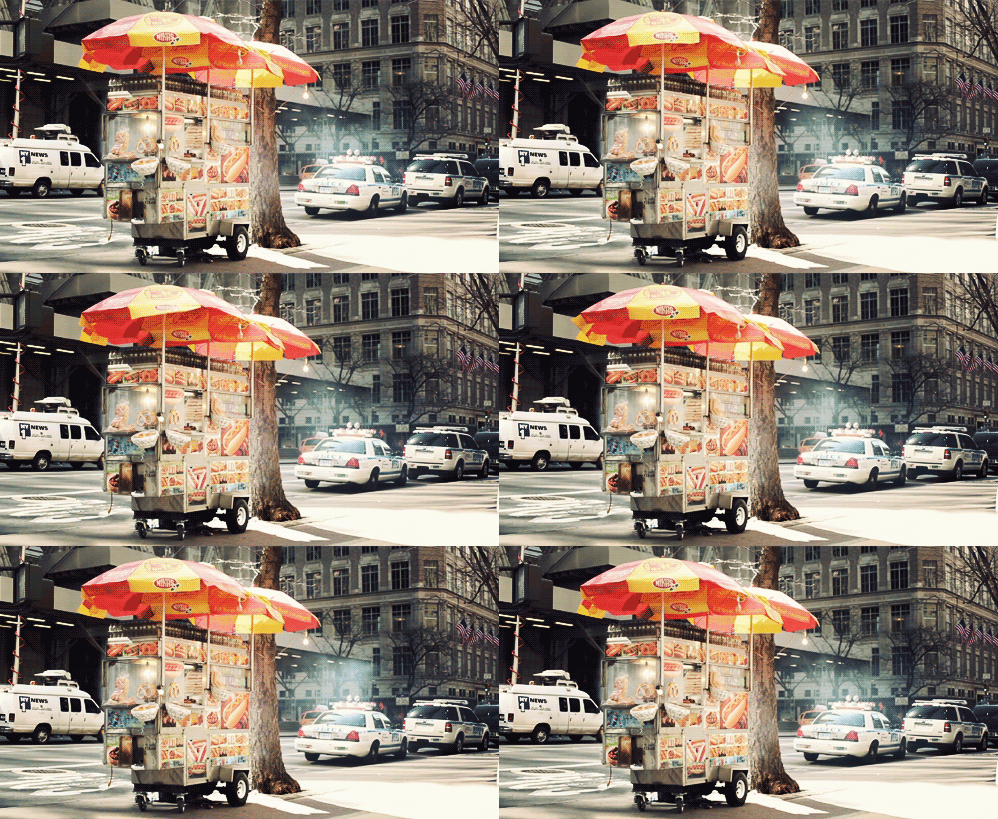
Steam
cinemagraphs.com
Jamie: "One of our dreams is doing studies on places, like capturing this moment in time for humanity - how we interact, what it's like to live in the city, in the country."
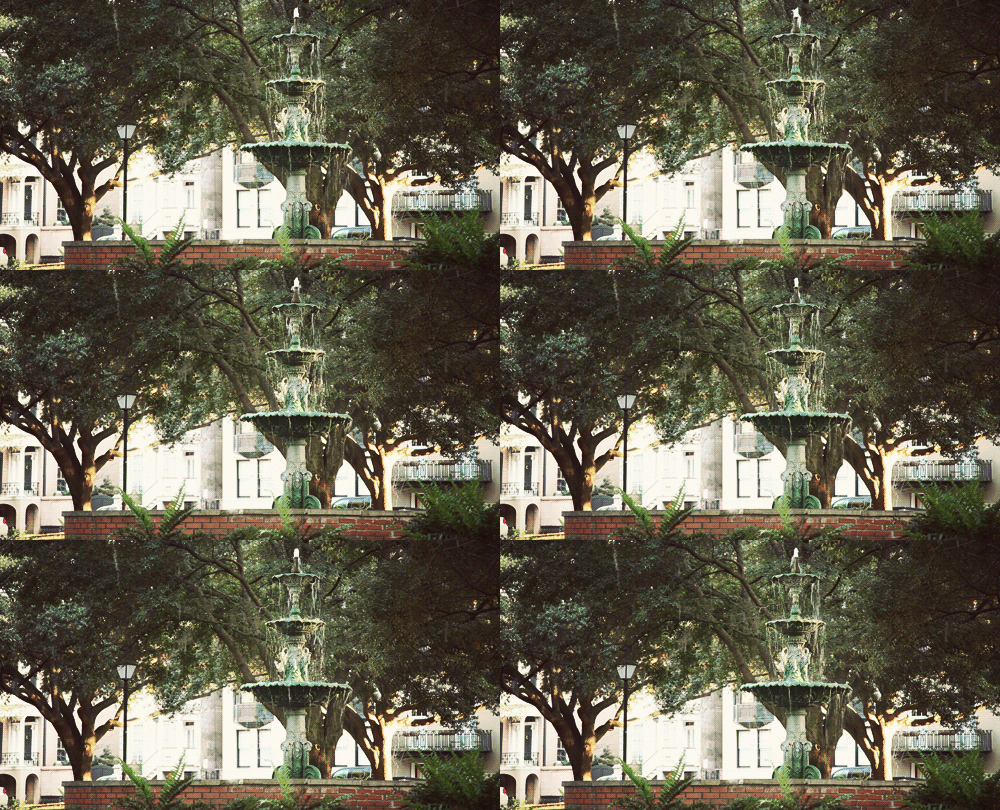
Fountain
cinemagraphs.com
A cinemagraph - a still image that moves - developed by photographer Jamie Beck and visual graphics artist Kevin Burg.
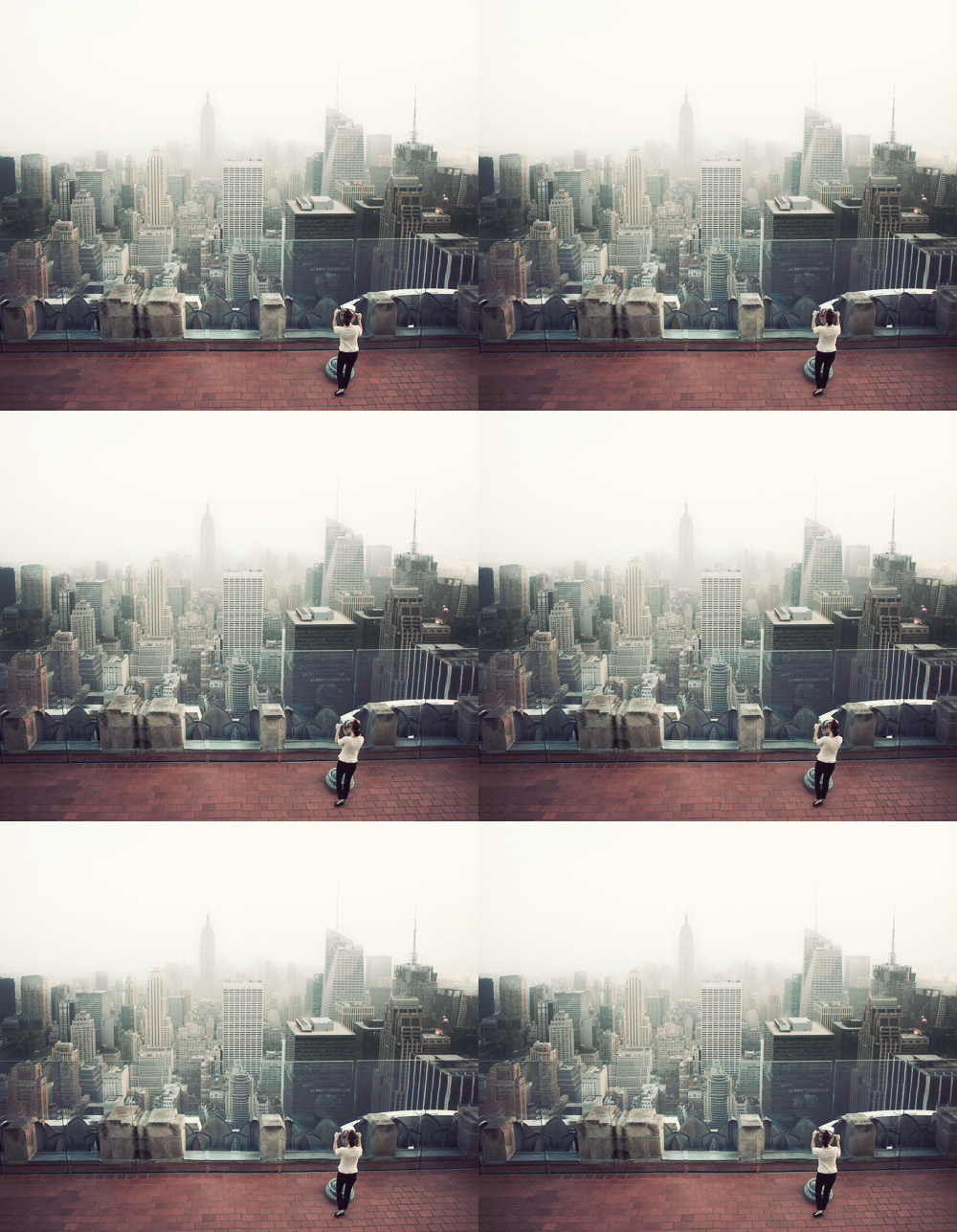
Rooftop
cinemagraphs.com
"Sometimes I'm riding the subway and I'll see a beer ad - the classic shot of water droplets on the side of a beer bottle," said Kevin. "And I'd think, what if one of those droplets just cascaded down the side? I think I would be amazed and intrigued in a way that is not like if they had a TV screen with big flashy graphics. I think we have the ability to tune those out.
"People in New York, you stop hearing the trucks, and the jackhammers and all the city noise, you just don't hear it any more. But then you're in a quiet room with the water dropping like a leaky faucet, it'll drive you insane because you CAN'T tune it out. I think that same brain function is happening when you see something subtle. I find it more sophisticated."
Water Beads

gilttaste.com
Kevin: "We worked with Gilt Taste, which is a food site launched by the Gilt Groupe. They brought us in, we didn't really know how we would work together, but they really got it. They knew that they wanted something to come alive, and they actually opened our eyes to technical things in terms of displaying them, and it worked really well. They helped kind of push our evolution of the medium along."
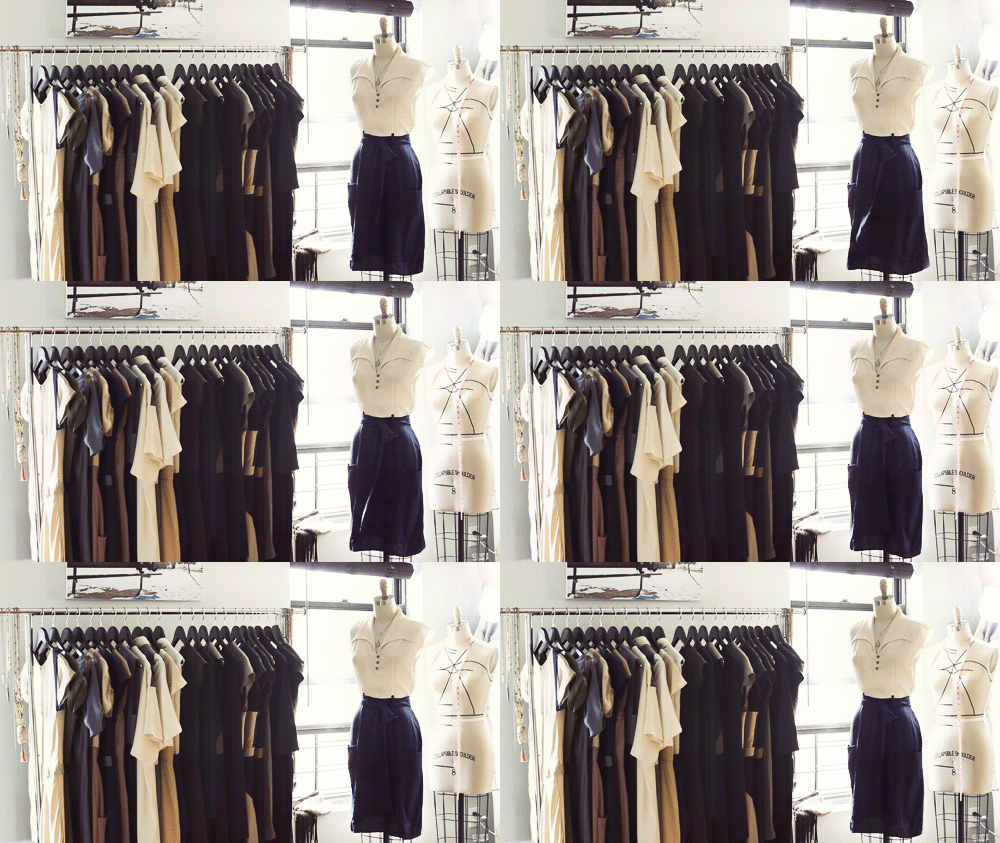
Rack
cinemagraphs.com
"There's something about the subtlety that makes people stare at it," Jamie said.
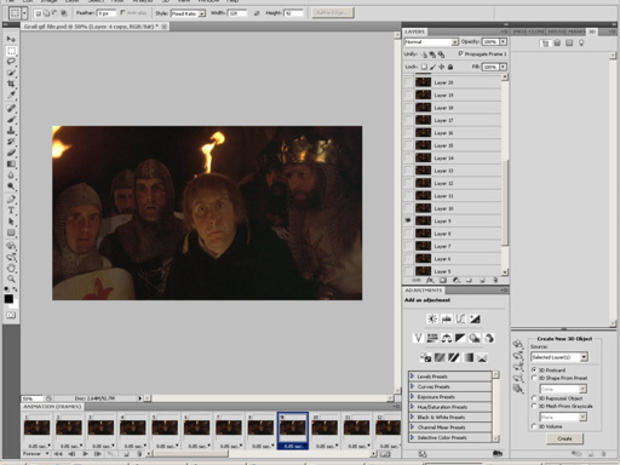
Tutorial
cinemagraphs.com
Many of the online tutorials that describe the process of creating a cinemagraph share similar characteristics, and most involve using masked layers in Photoshop to generate frames to be saved as an animation.
Saoirse Clohessy/tumblr
The success of Beck and Burg's images has inspired other photographers to attempt their own cinemagraphs, ranging from landscapes and portraitures to miniatures - like a water droplet dripping off a leaf, as captured by Saoirse Clohessy, a photography student in London.
"I find cinemagraphs a whole other challenge compared to photography," said Clohessy. "It takes a slightly different eye to not only frame a shot, but also pick out a movement that works best and still make sense on an endless loop.
"I think that repetition is by far the hardest part of creating a cinemagraph, but once it is achieved you end up with a captured magical moment that never ends - and that is definitely the allure of cinemagraphs."
"I've always been a keen photographer and like the idea that a simple yet stylistic animation could not only add a new depth (both physically and metaphorically) to a photograph, but also completely change the focus of it, too," Valentine said. "I find that it makes what could be a rather bland image feel more 'real,' and thus breathes new life into the still medium art form.
"I'd love to try it at a wedding with nothing moving but the bride's dress or veil."
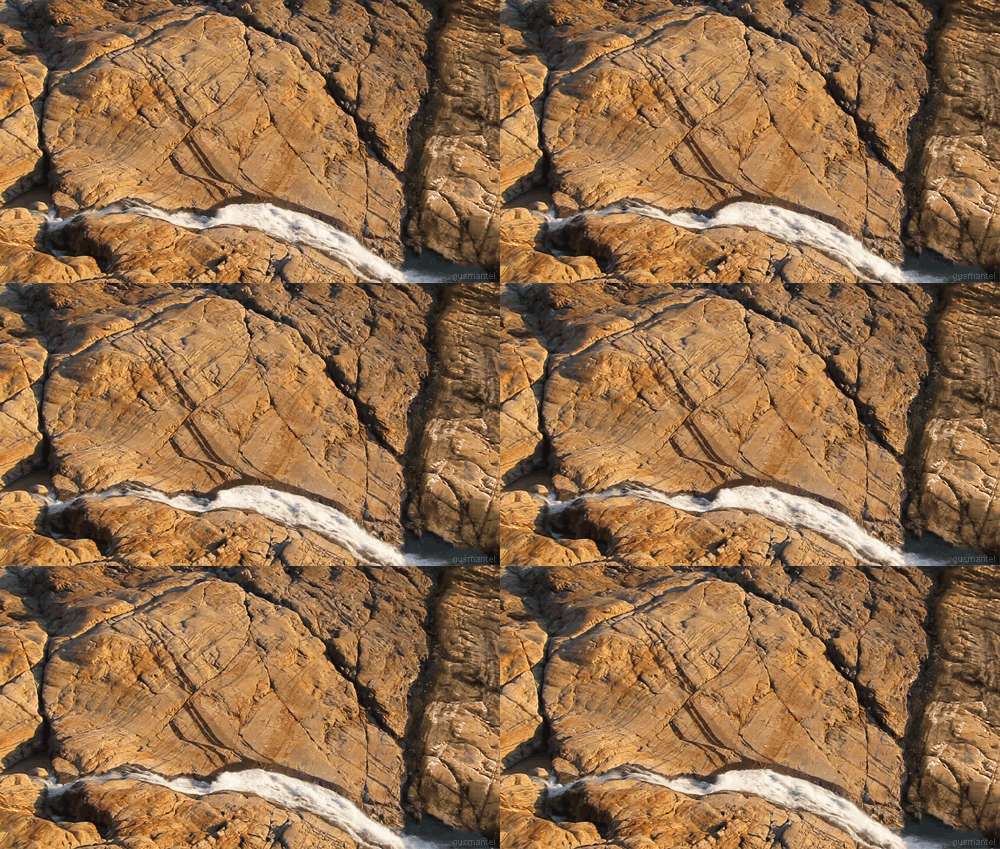
blog.gusmantel.com
Photographer Gustaf Mantel has also experimented with animated GIF images, including this striking shot of meltwater near Svartisen glacier in Norway.
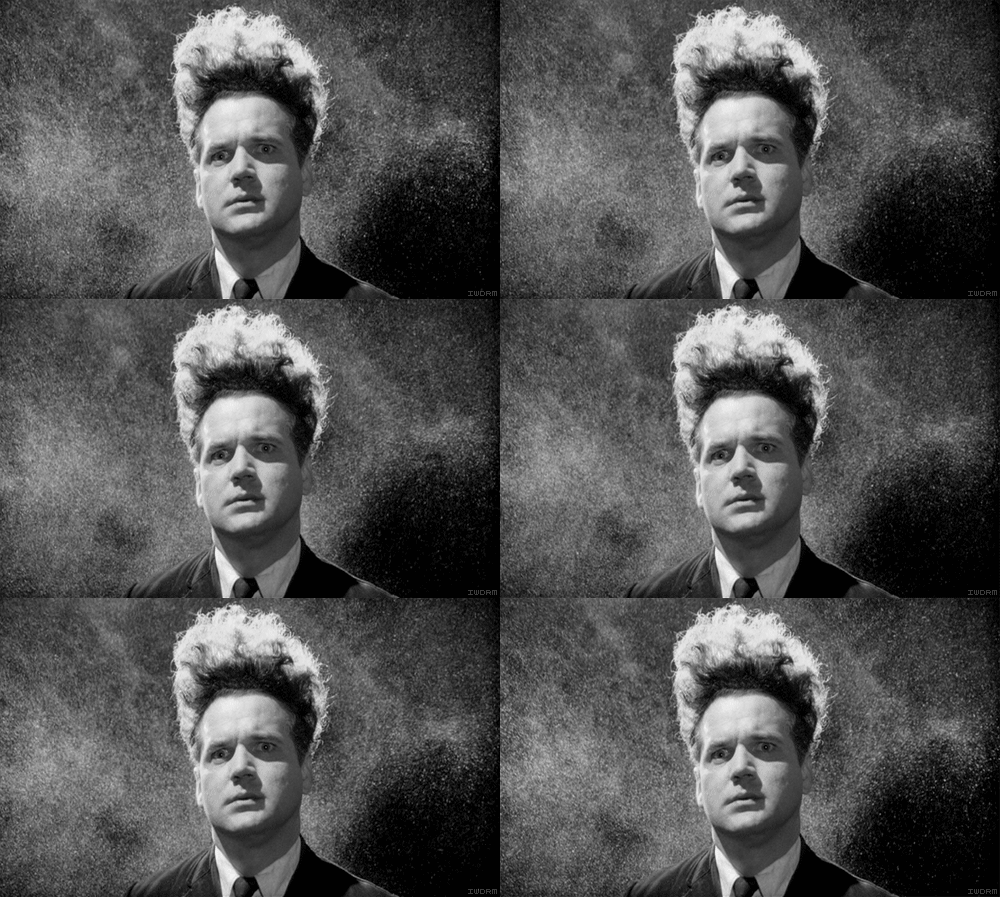
iwdrm.tumblr.com
Gustaf Mantel also oversees the curiously-named blog "If We Don't, Remember Me," which features animated GIFs of film scenes - "living movie stills," as he calls them, such as this haunting vision of Jack Nance in David Lynch's "Eraserhead."
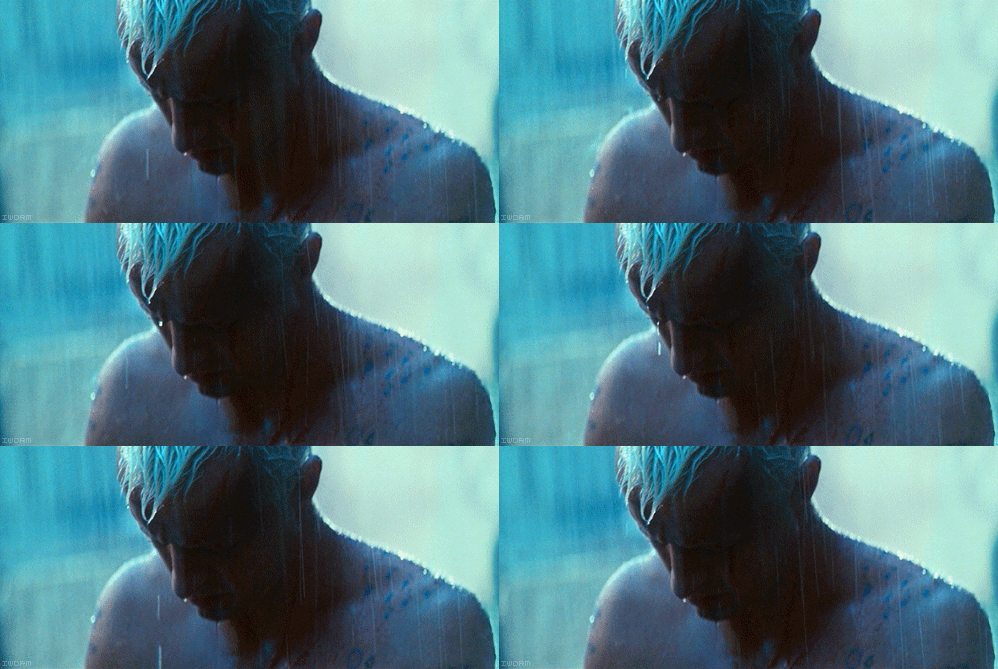
"Blade Runner"
iwdrm.tumblr.com
"All these moments are lost in time, like tears in rain": The replicant Roy Batty (Rutger Hauer) in "Blade Runner." (From the blog "If We Don't, Remember Me."
"Orpheus"
iwdrm.tumblr.com
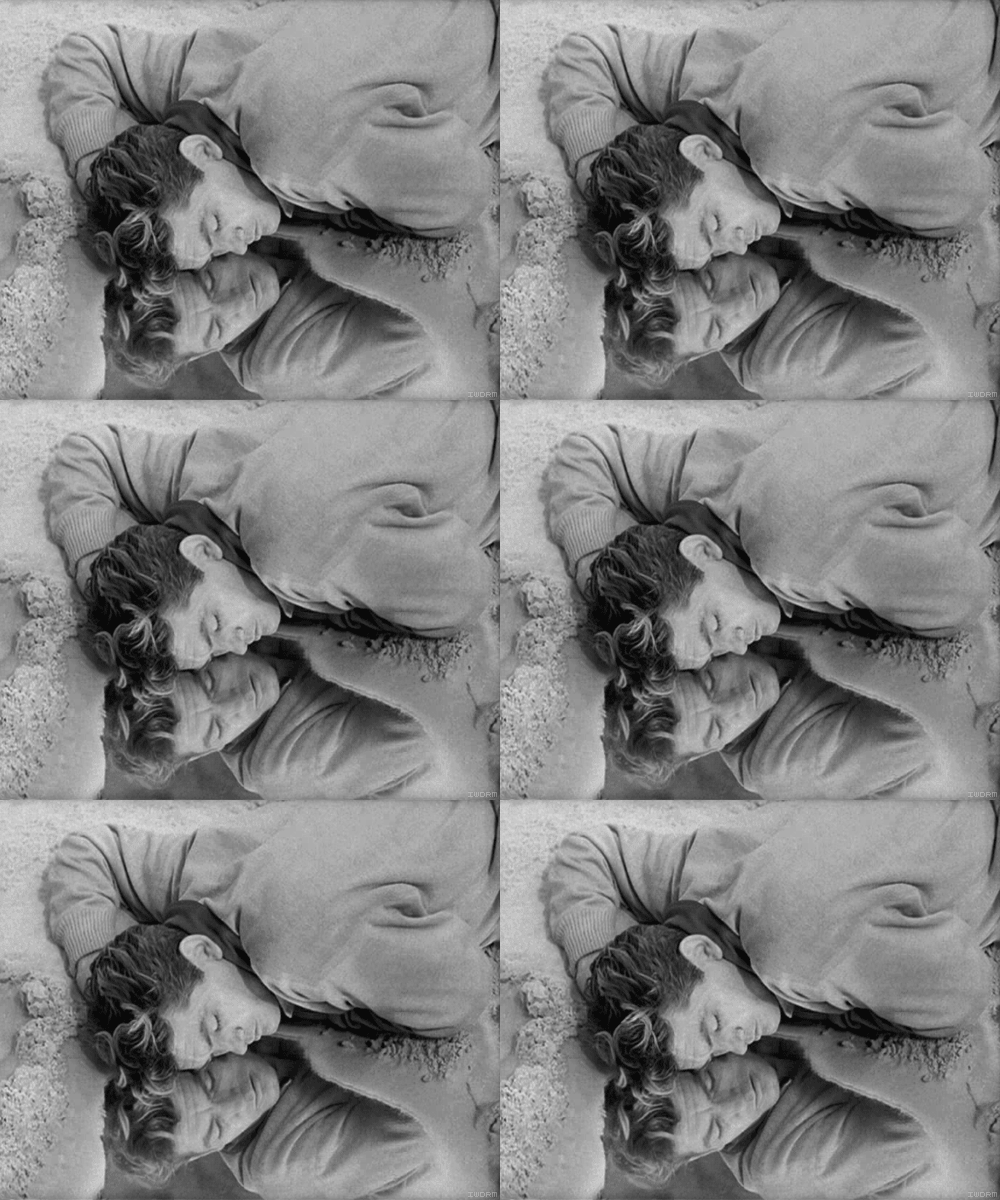
Hollywood movie stills - especially black-and-white photography - are celebrated for their exquisite glamour and textural lighting. But they don't have moving hair like this GIF of Jean Marais in "Orpheus." From "If We Don't, Remember Me."
"Girl With a Pearl Earring"
iwdrm.tumblr.com
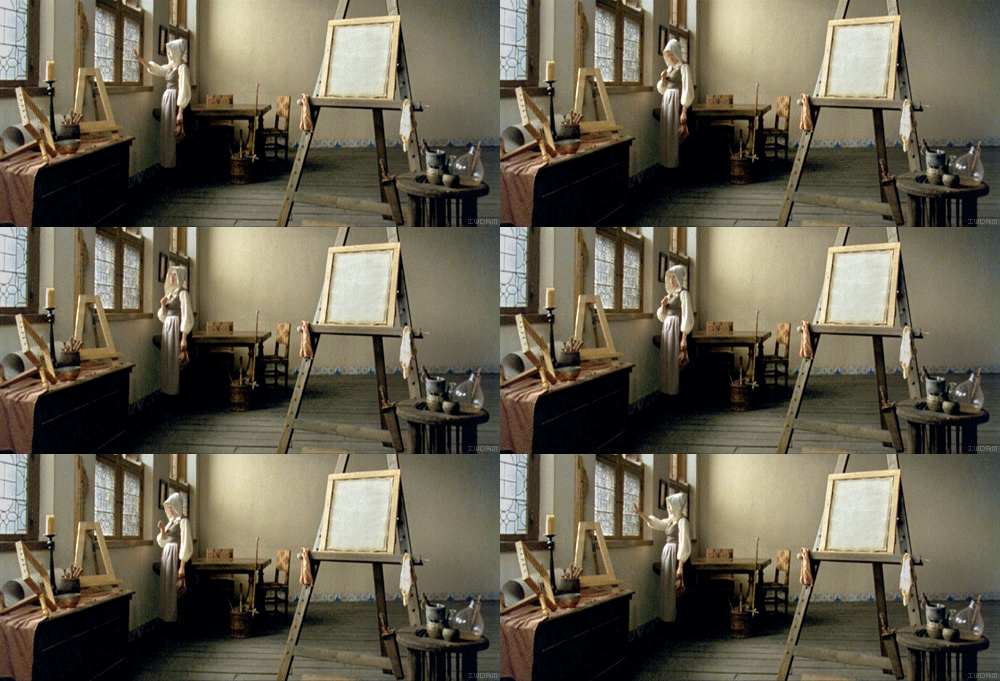
Like a Vermeer come to life: An animated GIF from "Girl With a Pearl Earring," from "If We Don't, Remember Me."
"The Shining"
iwdrm.tumblr.com
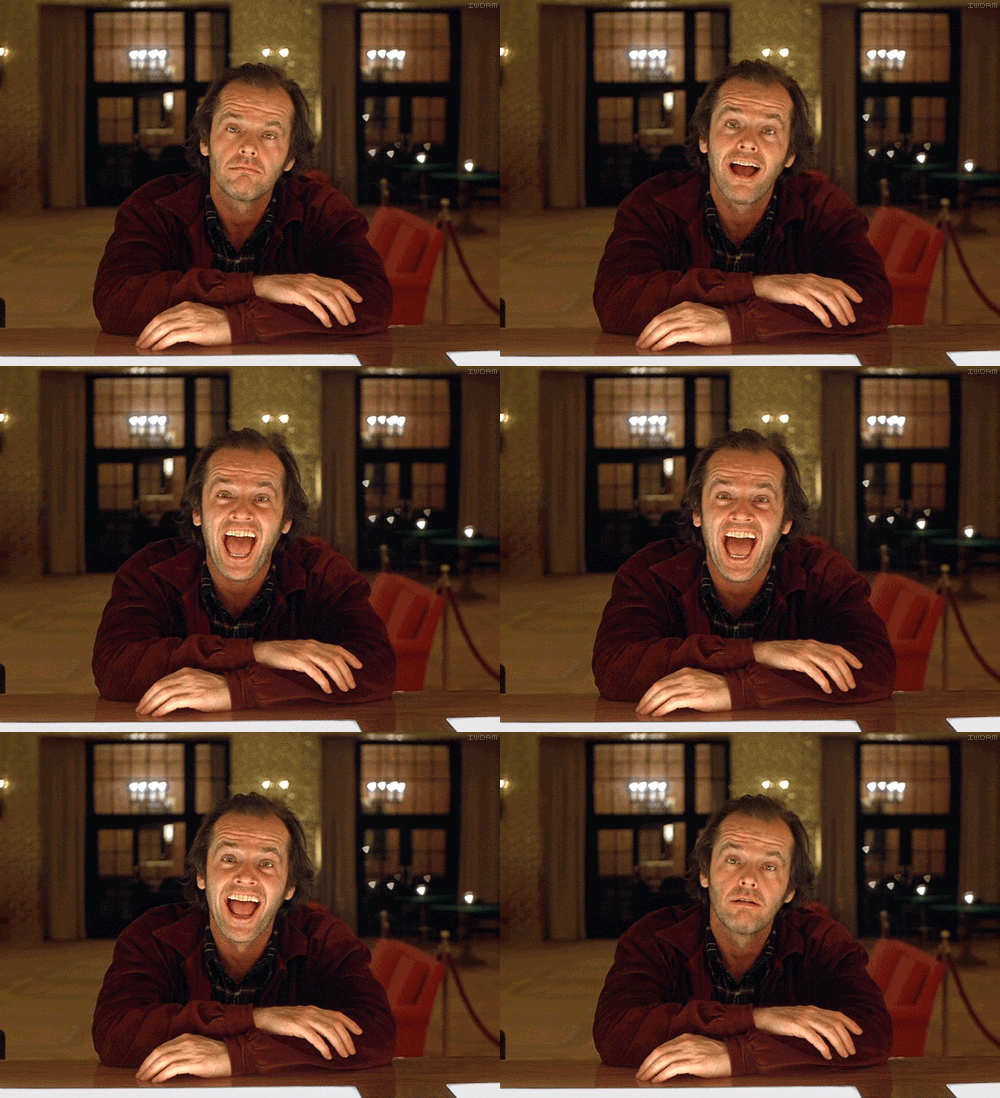
This animated GIF from Stanley Kubrick's "The Shining" captures multiple layers of Jack Nicholson's mercurial performance. (From "If We Don't, Remember Me")
Wait for it ...
"2001: A Space Odyssey"
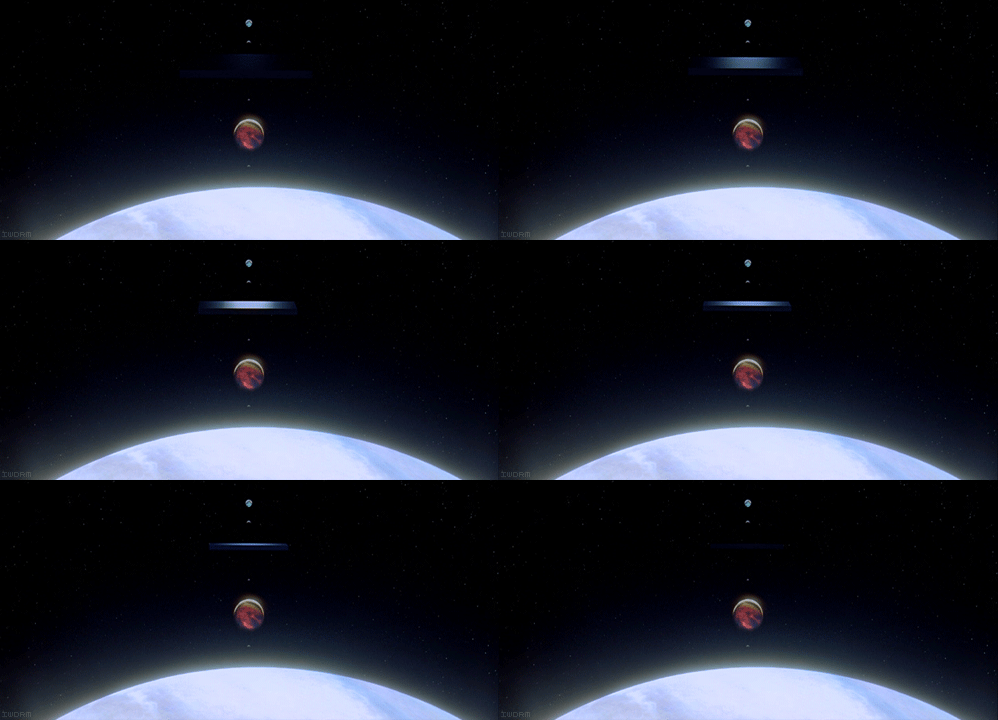
iwdrm.tumblr.com
Jupiter, and the gateway to "beyond the infinite," from "2001: A Space Odyssey." ("If We Don't, Remember Me")
"Napoleon Dynamite"
iwdrm.tumblr.com
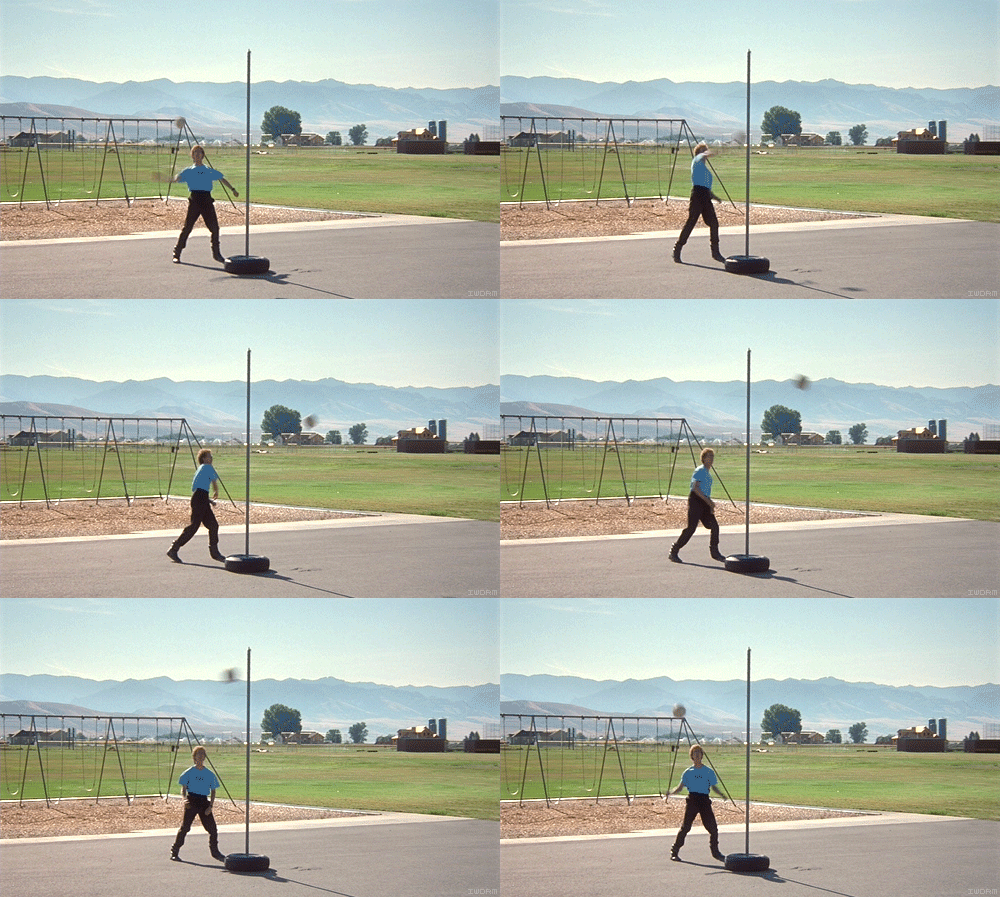
This looping sequence of frames from "Napoleon Dynamite" would be boring if the net effect - Napoleon incessantly hitting the tetherball over and over and over and over again - weren't so pointlessly absurd.
Wheeeee!
COGLOGLAB at tumblr
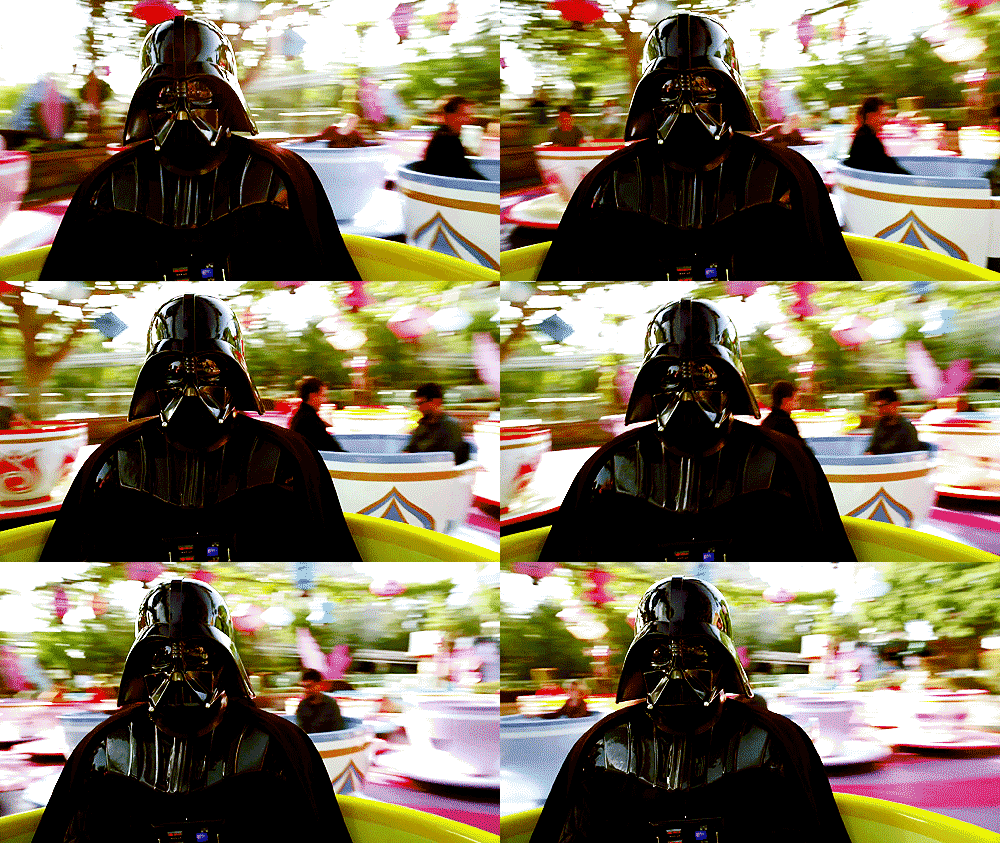
Hey, it's the Internet, so somebody was bound to create an animated GIF of Darth Vader riding in a teacup.