CBS News
A 2011 article in Pediatrics magazine found that children who had been asked to taste a "new" cereal reported liking the same cereal more if there were a popular character depicted on the box. "The use of media characters on food packaging affects children's subjective taste assessment," the study concluded.
Little surprise, given the long history of breakfast cereal manufacturers marketing their wares with the help of colorful cartoon characters or figures already familiar from TV, movies and comic books.
The following gallery shows some of the more famous (and infamous) breakfast cereal mascots.
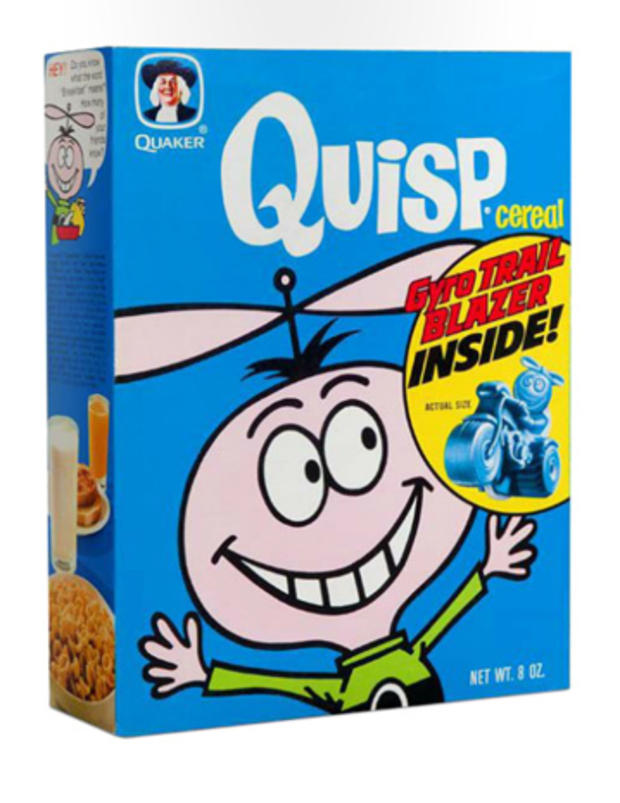
Left: Quisp, introduced in 1965 by Quaker Oats, was discontinued in the 1970s, but in recent years has returned to Earth via online outlets.
By CBSNews.com senior editor David Morgan
CBS News
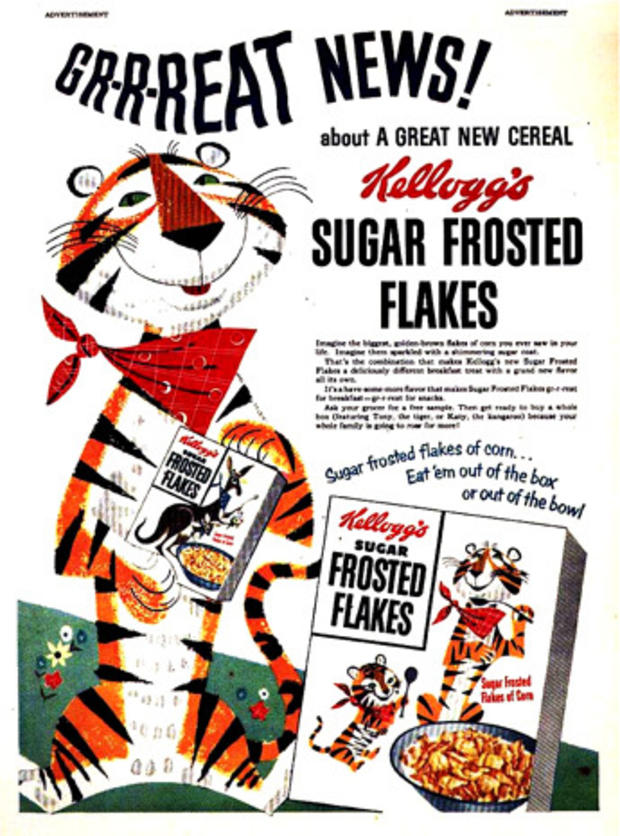
In 1952 one of Kellogg's iconic products -- sugar-frosted flakes -- was introduced with a roar by Tony the Tiger ("They're grrrrrrrrreat!").
CBS News
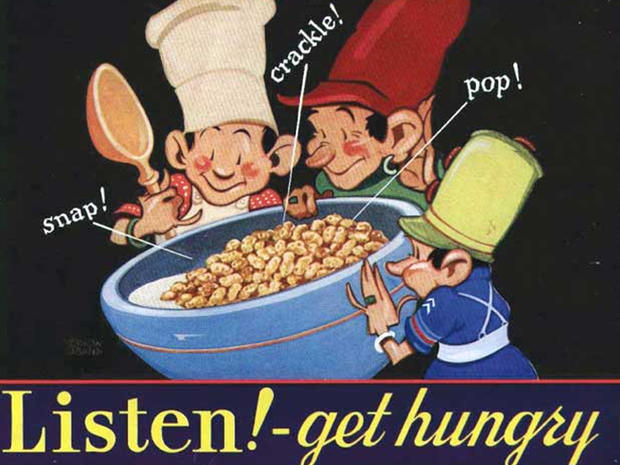
By 1933 the elves "Snap, Crackle and Pop" had become the official spokespersons of Kellogg's Rice Krispies.
CBS News
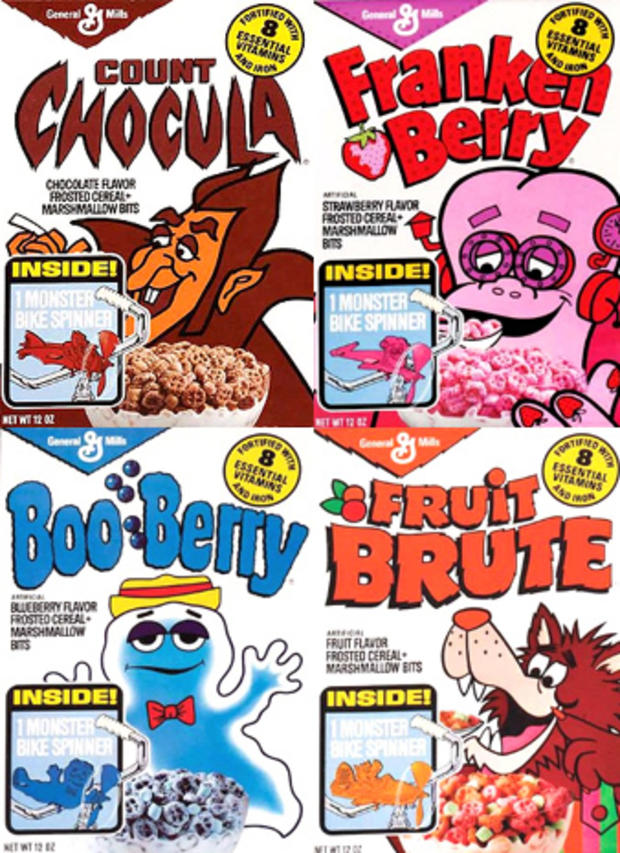
In 1971 General Mills introduced two cereals featuring monsters: Count Chocula (a chocolate-flavored cereal, with chocolate-flavored marshmallow bits), and the strawberry-flavored Franken Berry. The following year saw the entry of Boo Berry.
Although all three cereals are still produced to this day, another monster cereal did not fare so well: Fruit Brute, which was discontinued in the 1980s.
CBS News
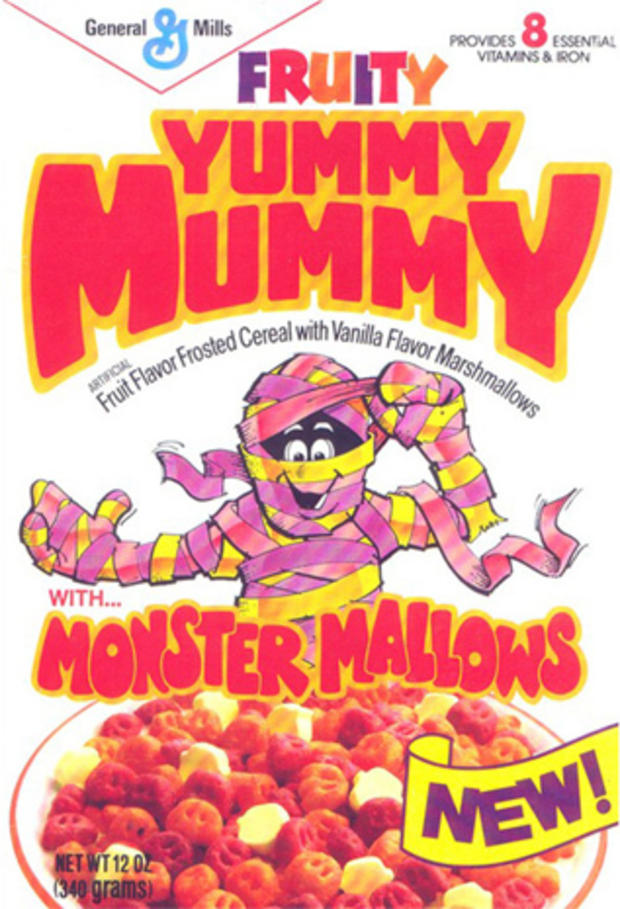
Fruit Brute was succeeded by Fruity Yummy Mummy, a fruit flavor-frosted cereal with vanilla flavor "monster mallows." Like Fruit Brute, Fruity Yummy Mummy did not stalk grocery store aisles for long.
CBS News
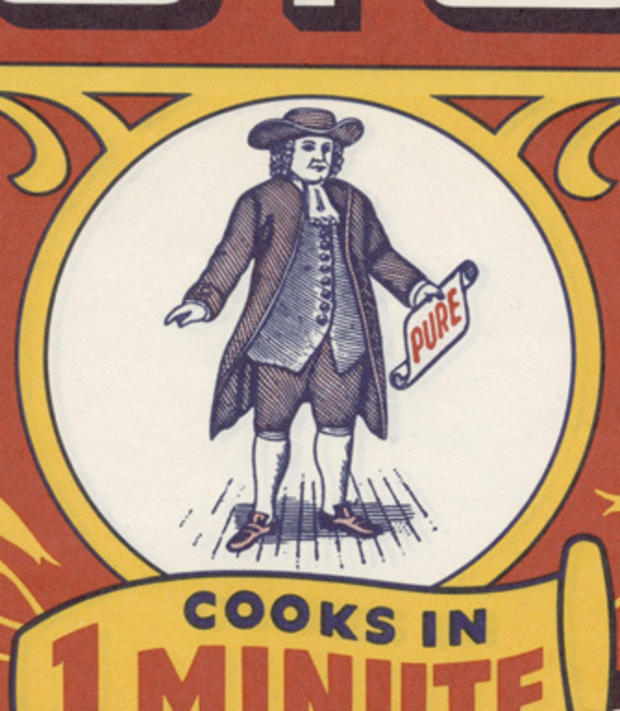
The Quaker Oats Man dates back to 1877, and was the first registered trademark for a cereal.
CBS News
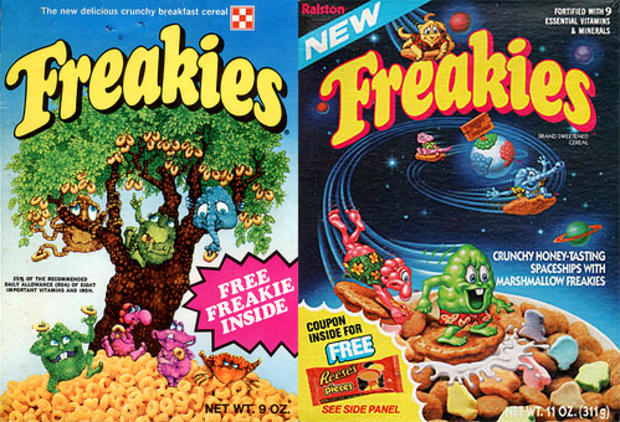
In 1972 Ralston launched Freakies, a presweetened cereal that was "grown" at the site of the legendary Freakies Tree. Helping youngsters dig into their Freakies were seven freaky creatures named BossMoss, Cowmumble, Gargle, Grumble, Goody-Goody, Hamhose and Snorkeldorf.
CBS News
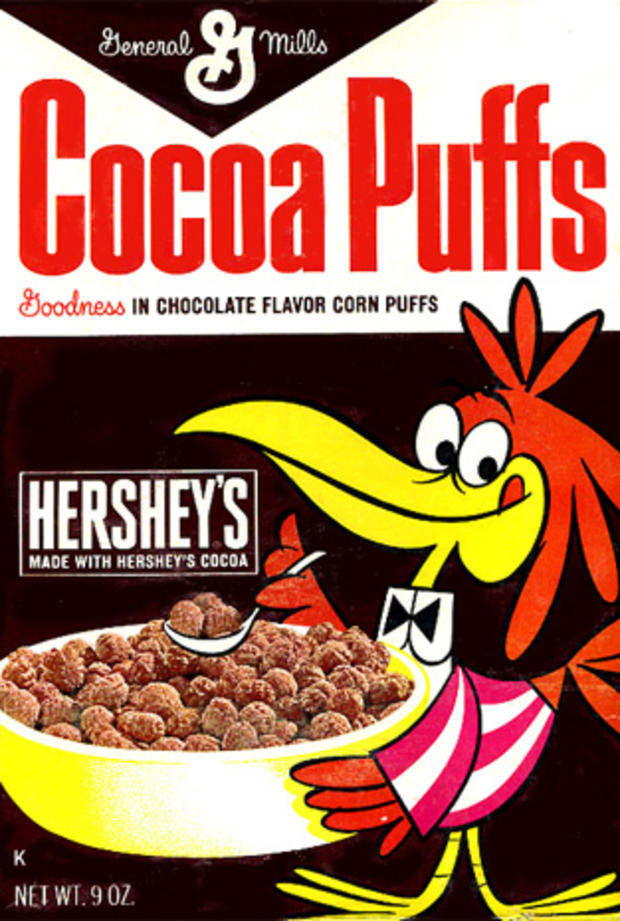
Cocoa Puffs (similar to General Mills' Kix, but with chocolate) was introduced in 1958. A few years later Sonny the Cuckoo Bird was created as its mascot ("I'm cuckoo for Cocoa Puffs!").
John W. Hartman Center for Sales, Advertising & Marketing History, Duke University
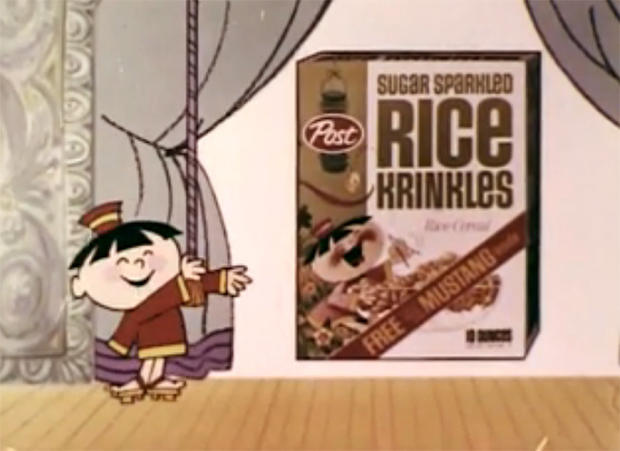
In the 1960s So-Hi (named as such because he was, well, only "so high") was the Oriental advertising icon for Post's Sugar Sparkled Rice Krinkles.
So Hi was one of several Post cereal mascots that were developed by General Foods and the Ed Graham advertising agency. In 1964 the various characters were grouped into a TV series, "Linus the Lionhearted," featuring such vocal talents as Sheldon Leonard, Sterling Holloway, Carl Reiner, Ruth Buzzi, Jesse White and Jonathan Winters. The series ran on CBS and ABC for five years.
CBS News
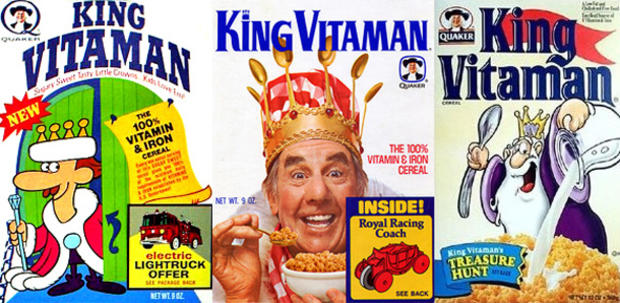
When King Vitamin was introduced in 1970, Quaker Oats used as its mascot a cartoon character designed by Jay Ward, the creator of the immortal "Rocky & Bullwinkle." King Vitamin's voice was that of Joe Flynn of "McHale's Navy."
The cartoon character was soon replaced by a very flesh-and-blood King Vitamin, who ruled until 2000. Then, the royal scepter was handed over to a new, redesigned cartoon figure.
CBS News
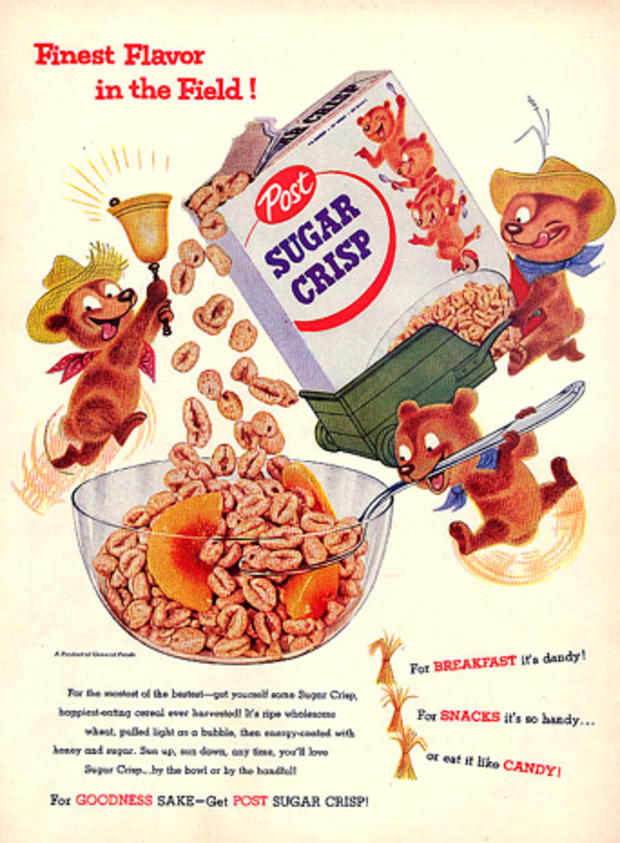
The precursor to Sugar Bear, which hawked Post's Sugar Crisp cereal, was a trio of bears, named Dandy, Handy and Candy. The three bears are probably the only breakfast mascots to be immortalized in song by Rosemary Clooney, for Columbia Records in 1951.
CBS News
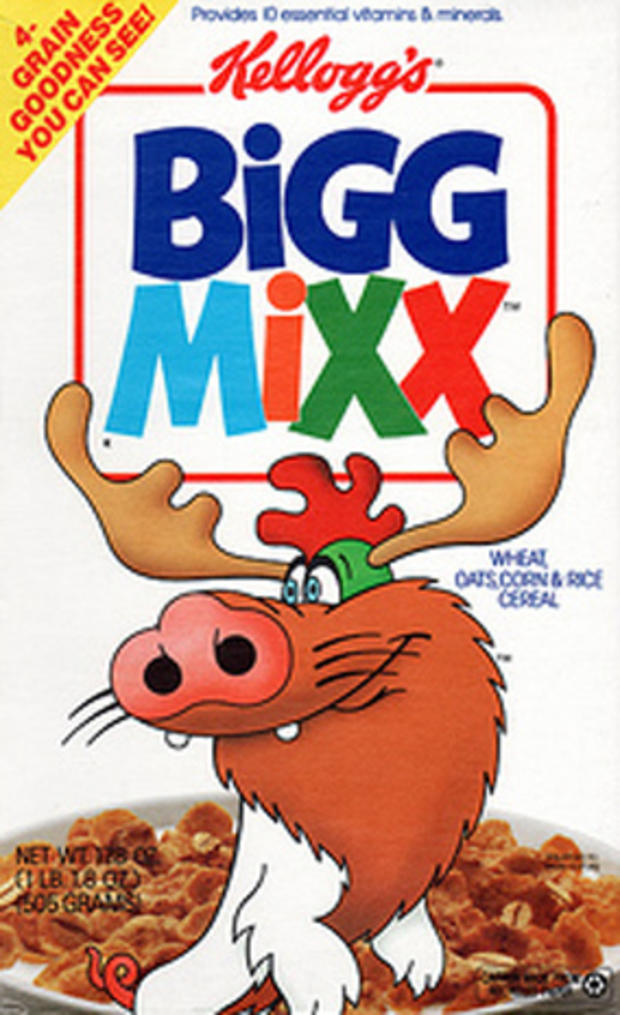
In 1990 a cereal combining rice, corn, wheat and oats was marketed as Bigg Mixx. Its mascot was a creature similarly conjured up from sundry sources, sporting a rooster's head, moose antlers, a pig's snout, and a wolf's fur. Neither the stalking hulk of Bigg Mixx nor its cereal namesake were around for long.
CBS News
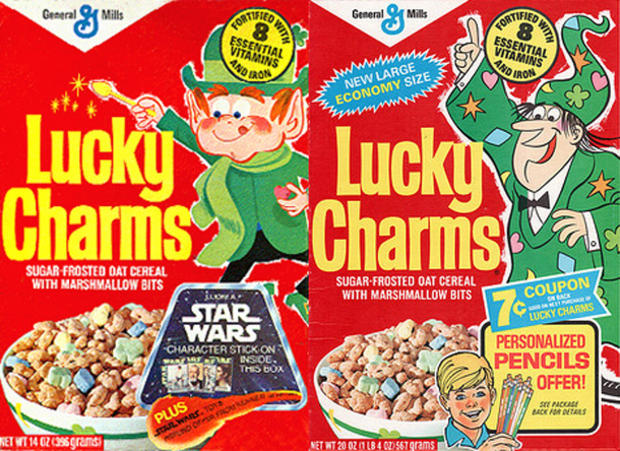
In the early 1960s General Mills introduced Lucky Charms, featuring "pink hearts, yellow moons, orange stars, and green clovers." The spokesperson for the "magically delicious" cereal was Lucky the Leprechaun.
In 1975 Lucky's luck ran out, being replaced by Waldo the Wizard. But Waldo was no Harry Potter, and the wizard disappeared soon after, as the popular leprechaun returned to cereal boxes -- like magic!
CBS News
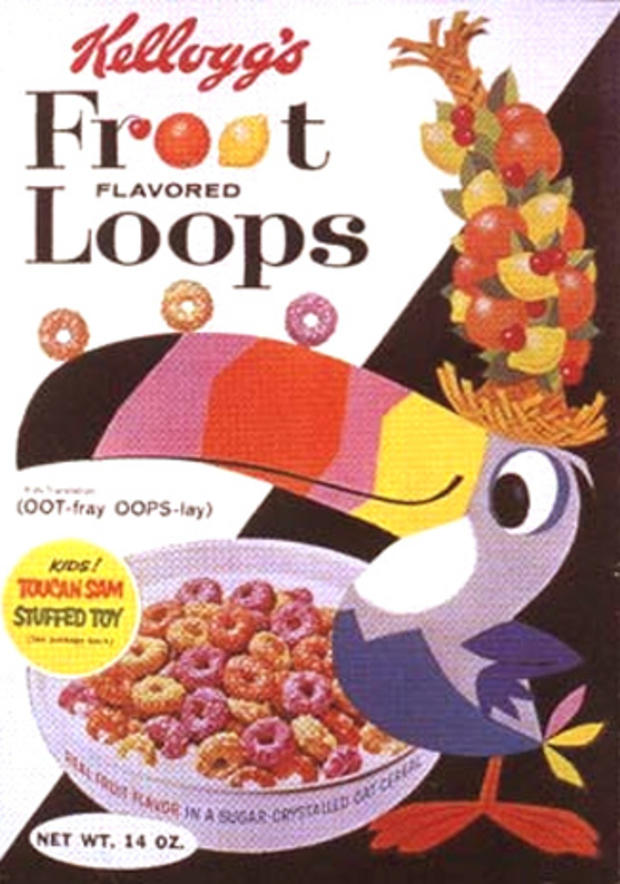
Toucan Sam always follows his nose, which has an uncanny ability to sniff out "the flavor of fruit . . . wherever it grows!" Which comes in handy if you're hungry for Froot Loops.
CBS News
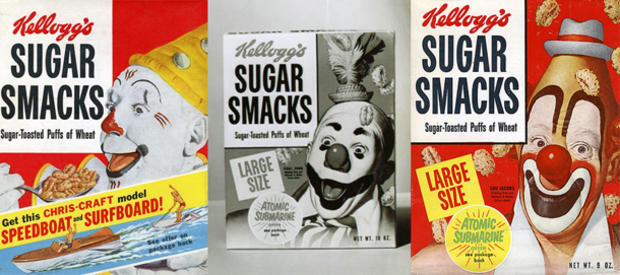
Creepy clowns have tried to cajole kids into diving into their Sugar Smacks - even going so far as to trade in national security secrets, offering free atomic submarines.
CBS News
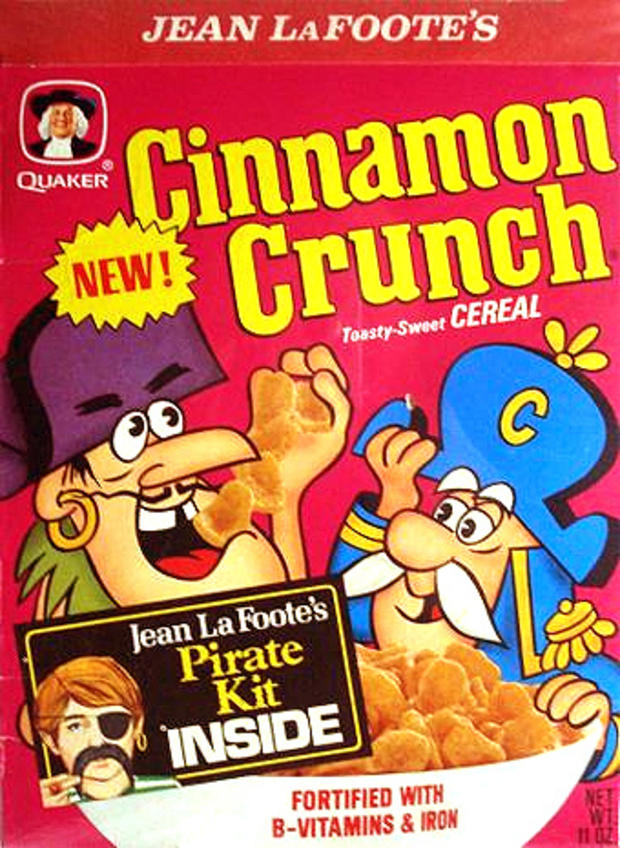
One of the most beloved of breakfast mascots is Cap'n Crunch, introduced by Quaker Oats in 1963. As popular as that cereal has been, there have been other offshoots on whose boxes the Cap'n's visage has been featured, including Jean LaFoote's Cinnamon Crunch (left); Crunch Berries (featuring the Crunch Berry Beast); Choco Crunch (with Chockle the Blob); Peanut Butter Crunch (starring Smedley the elephant); and Vanilly Crunch (featuring the canine Seadog).
Profiles in History
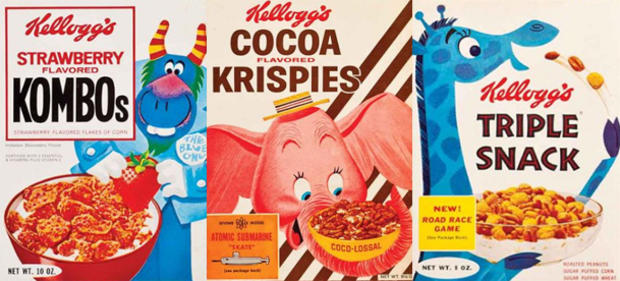
Blue Gnu was the mascot for Kellogg's Strawberry Combos. Cocoa Krispies have featured various animals, from the anonymous elephant (pictured left) to the TV star Snagglepuss. The Triple Snack Giraffe graced the box of a cereal that - containing peanuts - was more of a snack.
CBS News
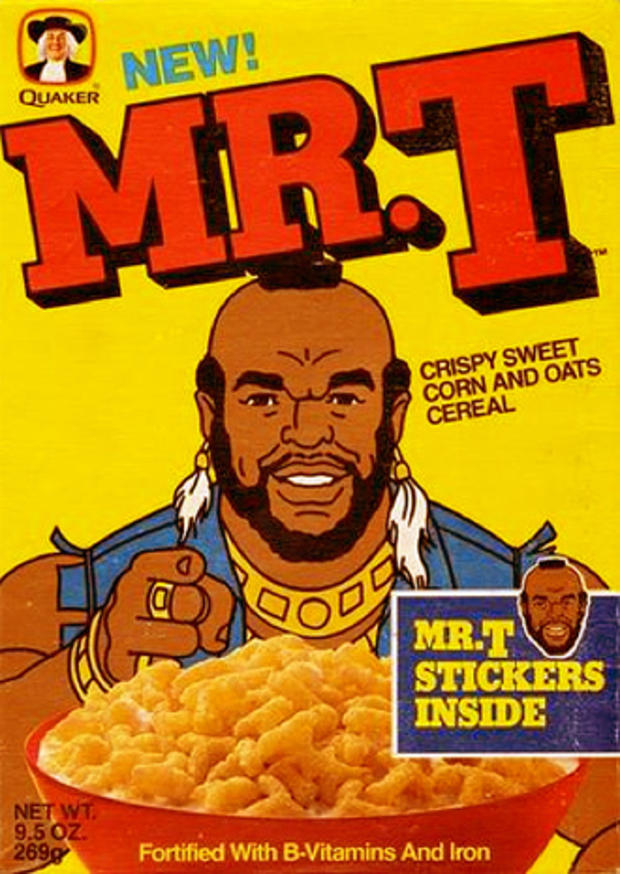
We pity the fool who doesn't at least try Mr. T cereal.
CBS News
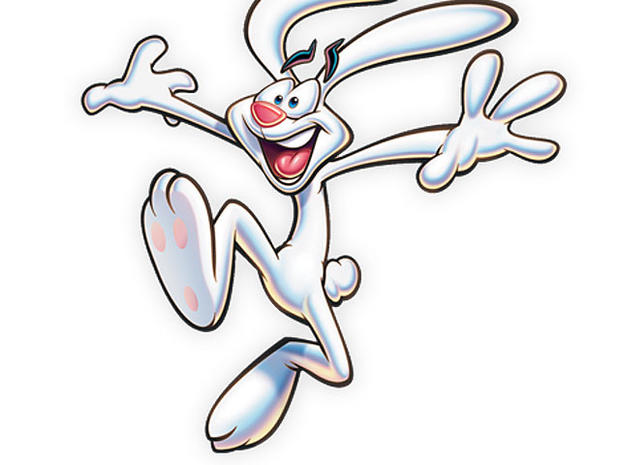
"Silly rabbit, Trix are for kids!"
One of the breakfast food mascots to have shown true endurance is the Trix Rabbit, introduced in 1959, and spending most of his energy ever since trying to get his hands on a bowl of Trix cereal. In mail-in ballots, children who took pity on him voted to let the rabbit have some cereal already. But that didn't seem to make him less crazy, or silly.
CBS News
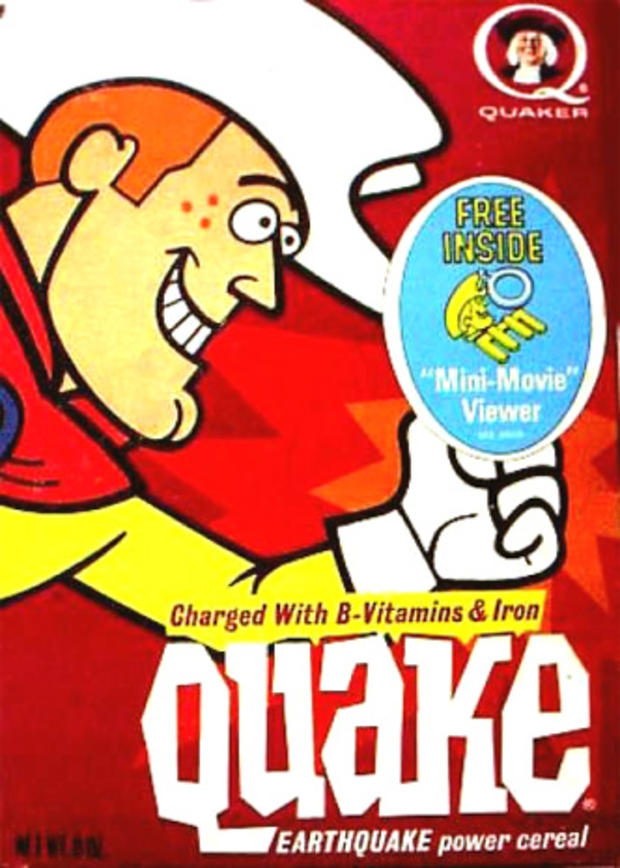
Quake was a partner cereal to Quaker Oats' Quisp, a corn-and-oat cereal "buzzin' with honey and bustin' with earthquake power!" Originally sporting a miner's helmet, the character Quake appeared on later boxes with a cowboy hat.
With disappointing sales, Quaker Oats asked the public to decide which of the two cereals to keep. With kids being asked to vote between an alien and a cowboy, guess who won? Quisp, naturally.
Quake was taken off shelves, but the character made a brief return hawking Quake's Orange Quangaroos.
CBS News
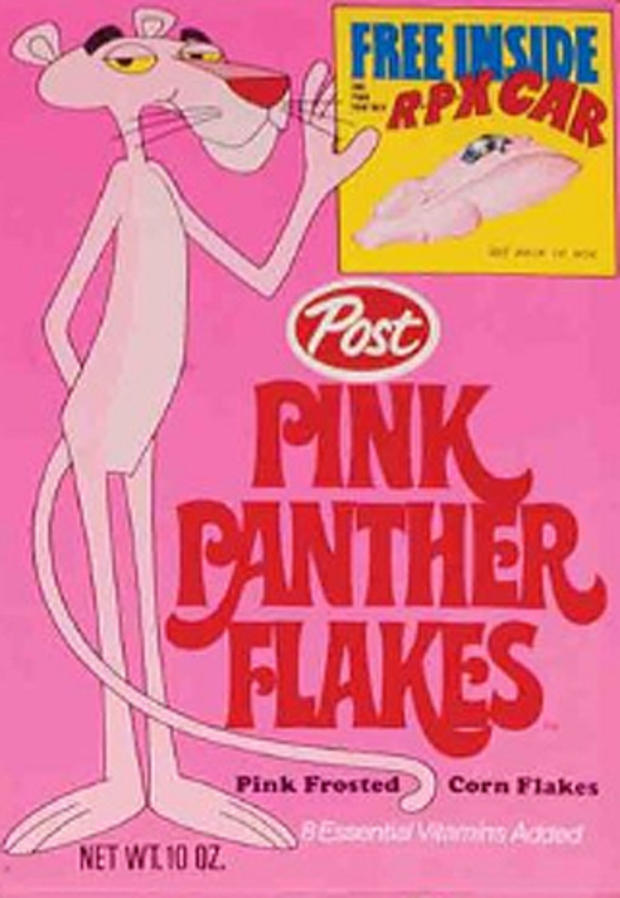
When Post sponsored the "Pink Panther" cartoon series, they produced a tie-in breakfast cereal -- pink, of course. Add milk, and you get bowls full of pink milk!
CBS News
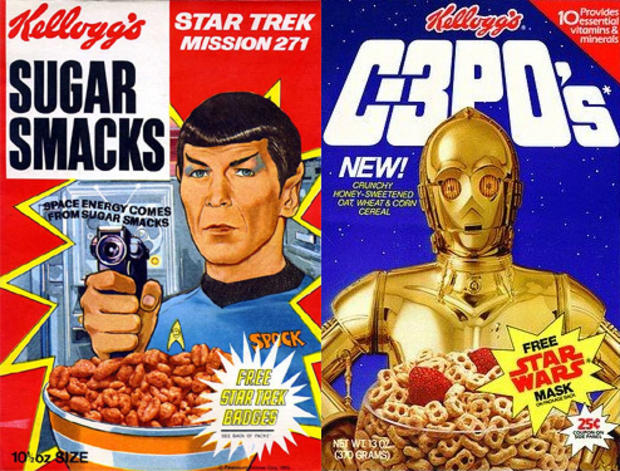
It was only logical that "Star Trek"'s Mr. Spock would be employed as a mascot for Sugar Smacks, seeing as the cereal provides kids with "space energy." The success of "Star Wars" likewise led the golden robot C-3PO to a cereal all his own.
CBS News
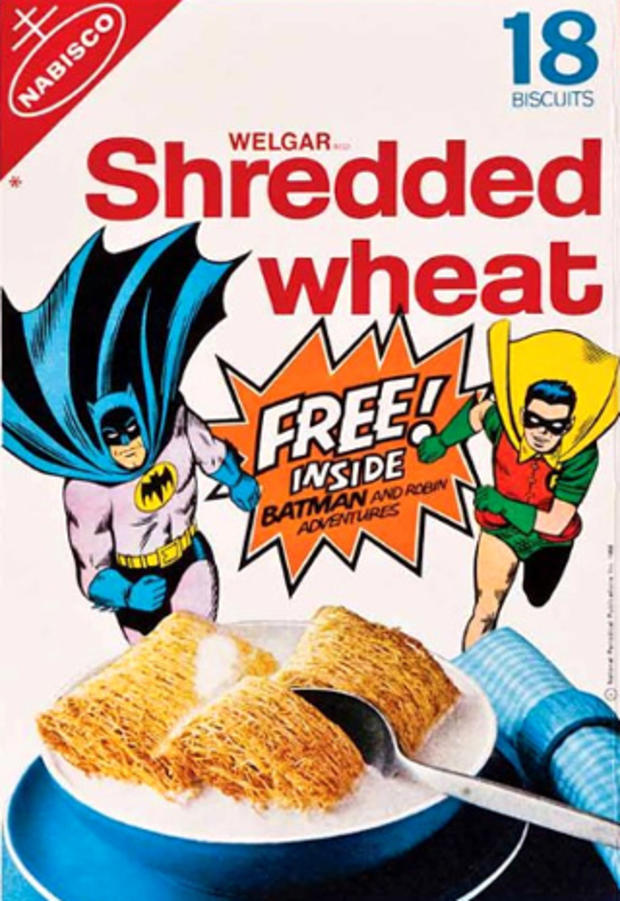
Batman and Robin were also roped into promoting Nabisco's Shredded Wheat.
CBS News
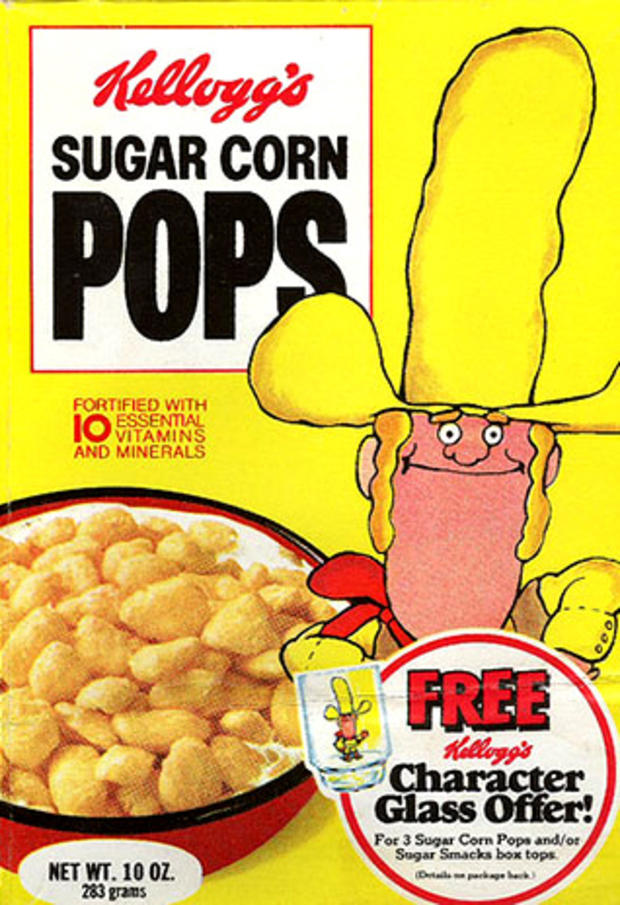
Boxes of Kellogg's Sugar Corn Pops, introduced in the 1950s as sponsors of the radio serial "The Adventures of Wild Bill Hickok," have featured a variety of mascots, including an illustrated cowboy, a cartoon cowboy, Woody Woodpecker, a prairie dog named Sugar Pops Pete, and Poppy the porcupine.
CBS News
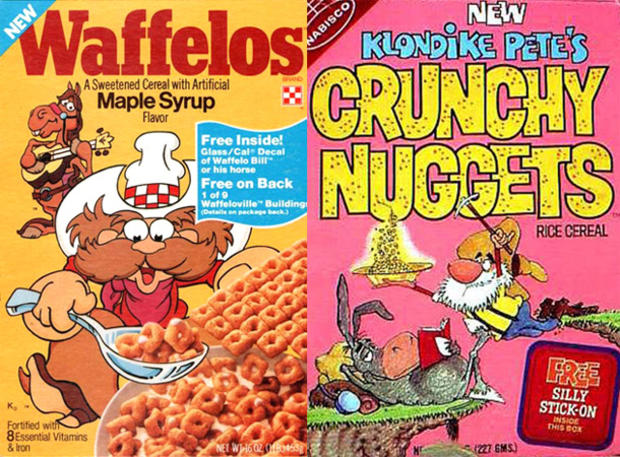
Other rough hombres peddling cereal to kids were Waffelo Bill (Waffelos) and Klondike Pete, a prospector mining for Golden Nuggets.
CBS News
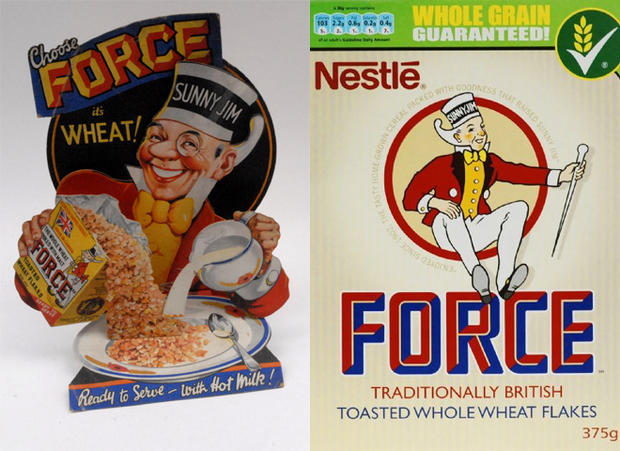
Introduced in 1901, the character Sunny Jim sold a toasted wheat flakes cereal called Force. Although the cereal and its character disappeared from shelves in the U.S., both Force and Sunny Jim remained popular in Britain for more than a century.
In January 2013 it was announced that Cereal Partners, the consortium producing Force cereal, would discontinue the brand because of low demand.
CBS News
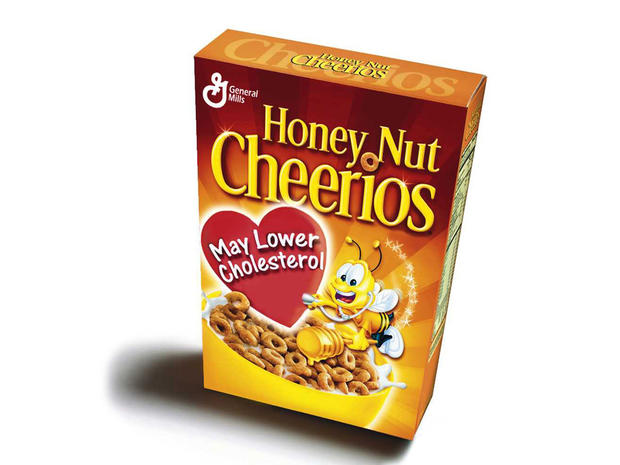
Buzz the Bee is the mascot of Honey Nut Cheerios.
CBS News
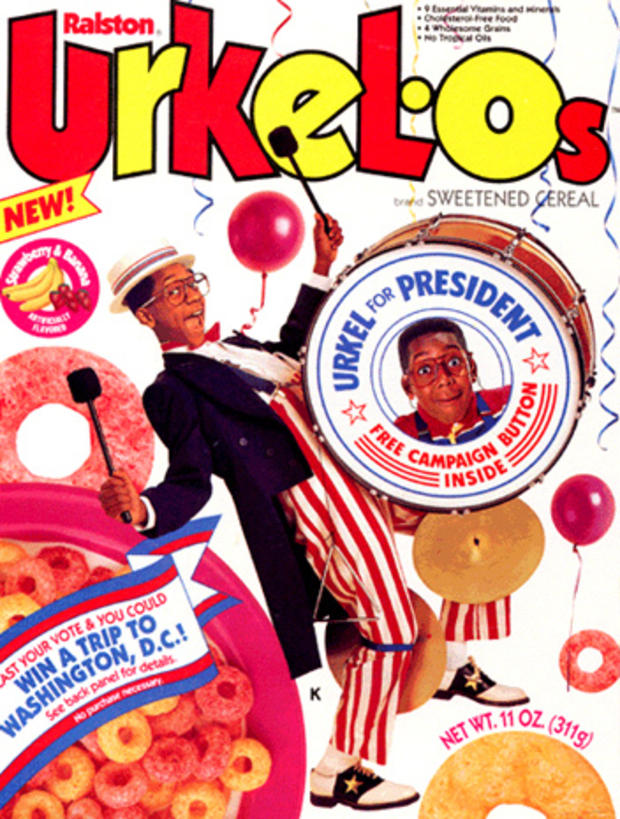
Steve Urkel, the nerdy character played by Jaleel White in the TV series "Family Matters," even had his own cereal, Urkel-Os.