Artifacts from London's "Pompeii of the North"
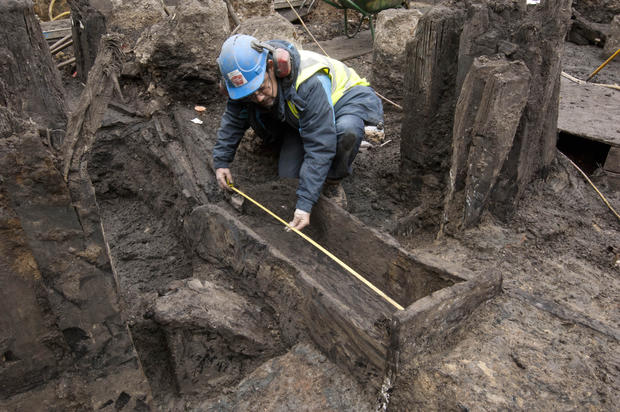
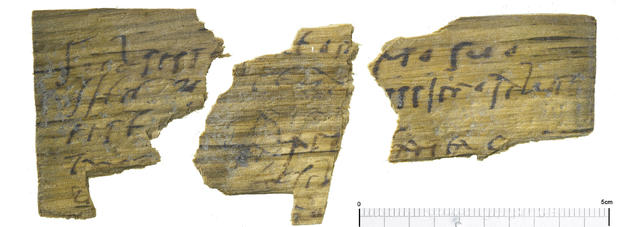
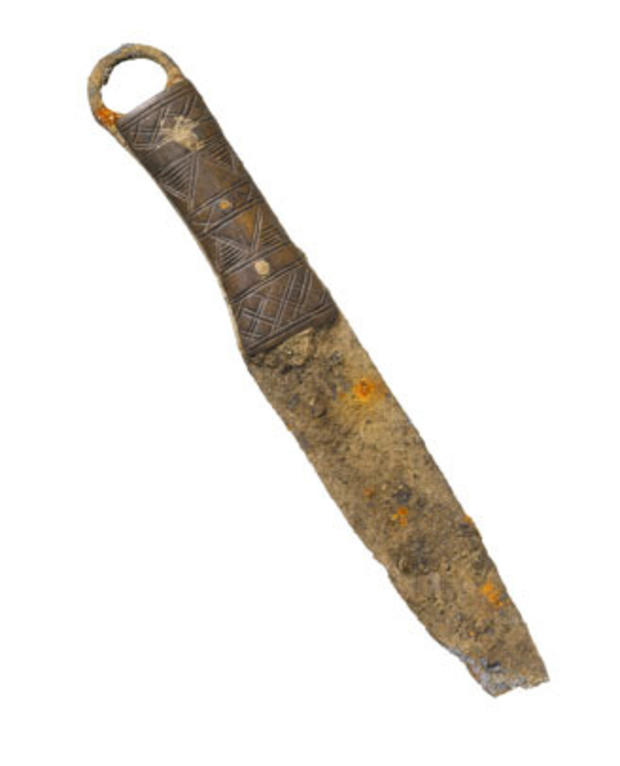
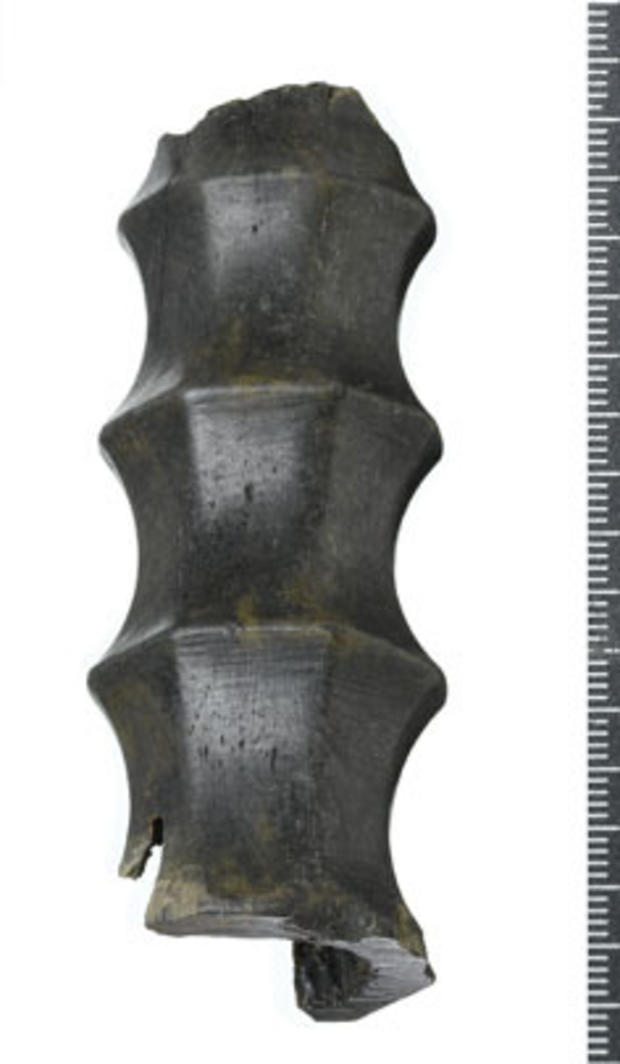
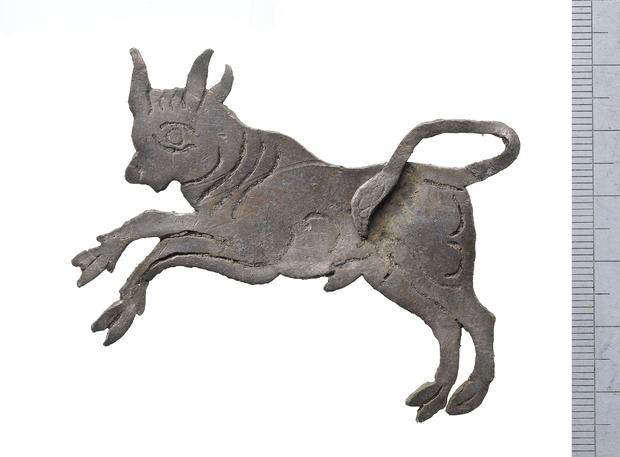
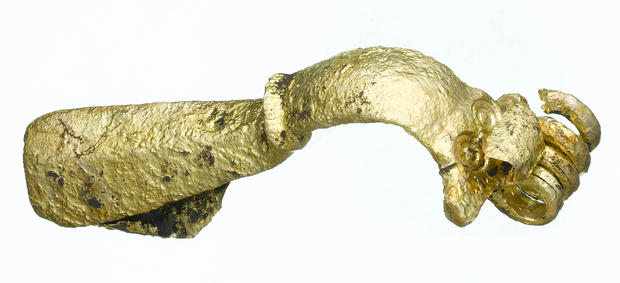
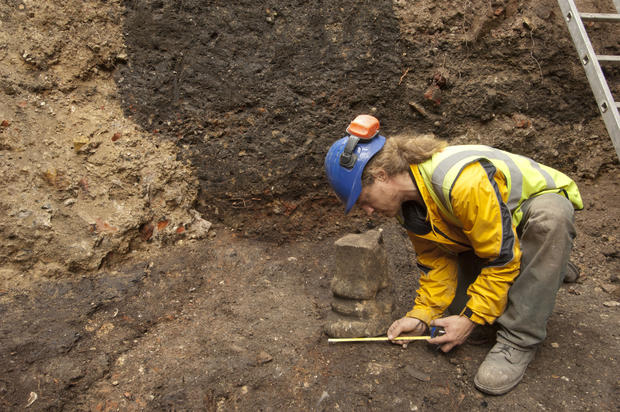
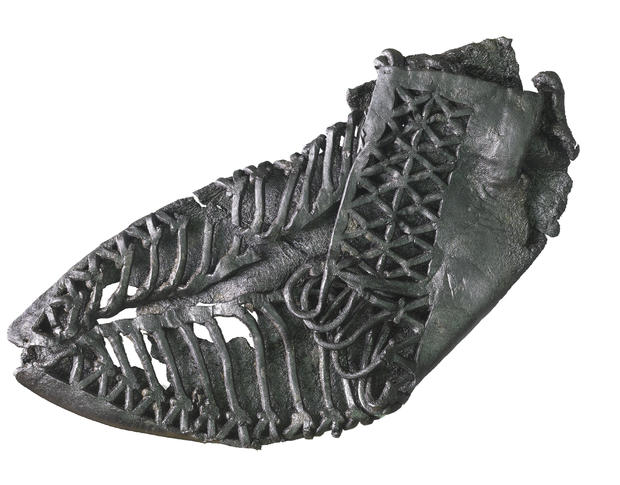
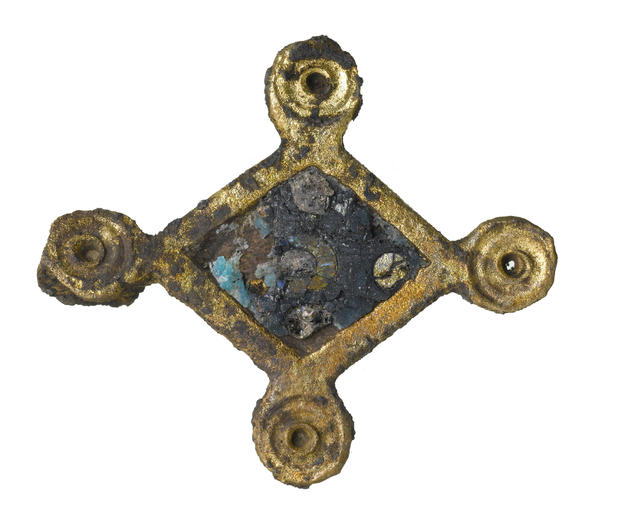
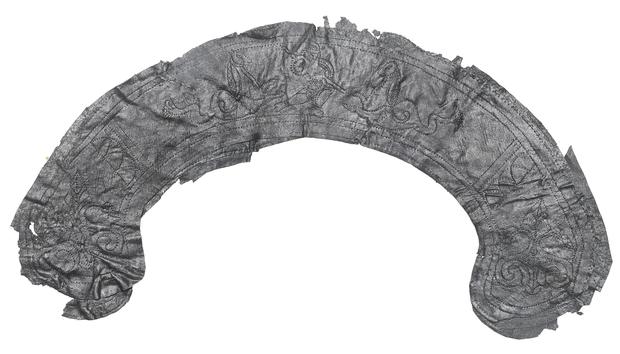
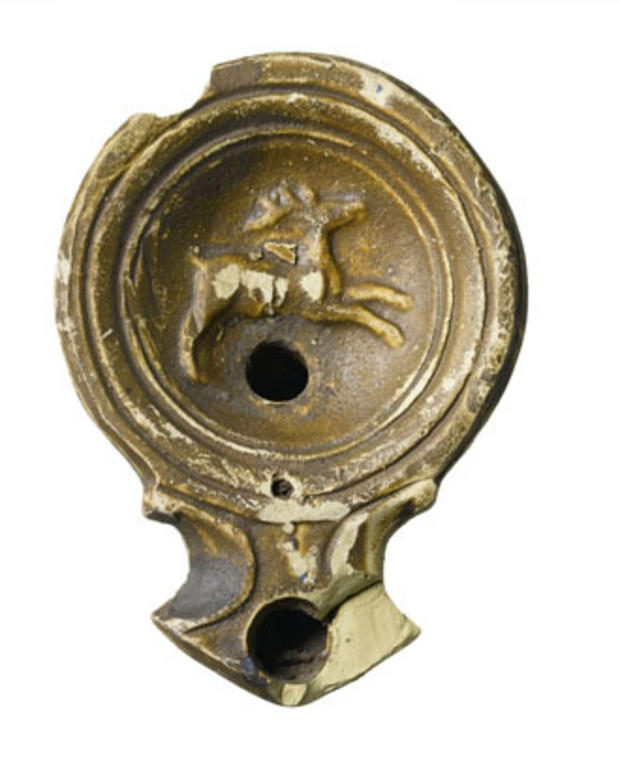
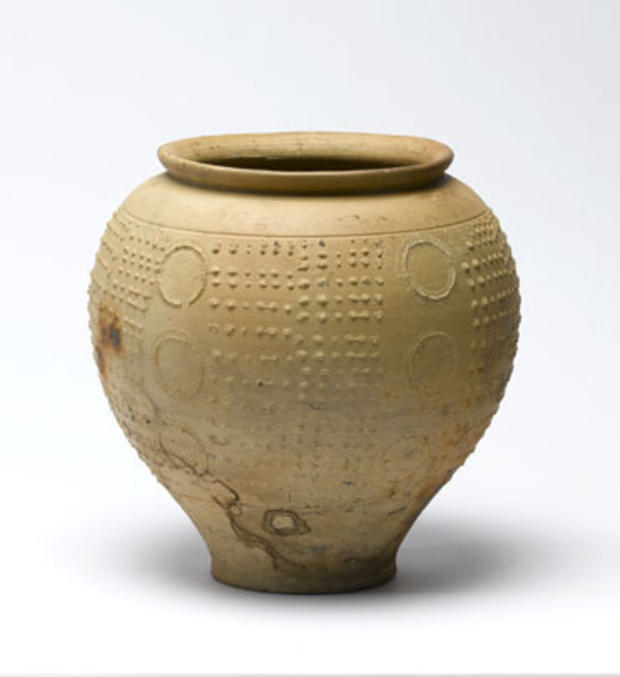
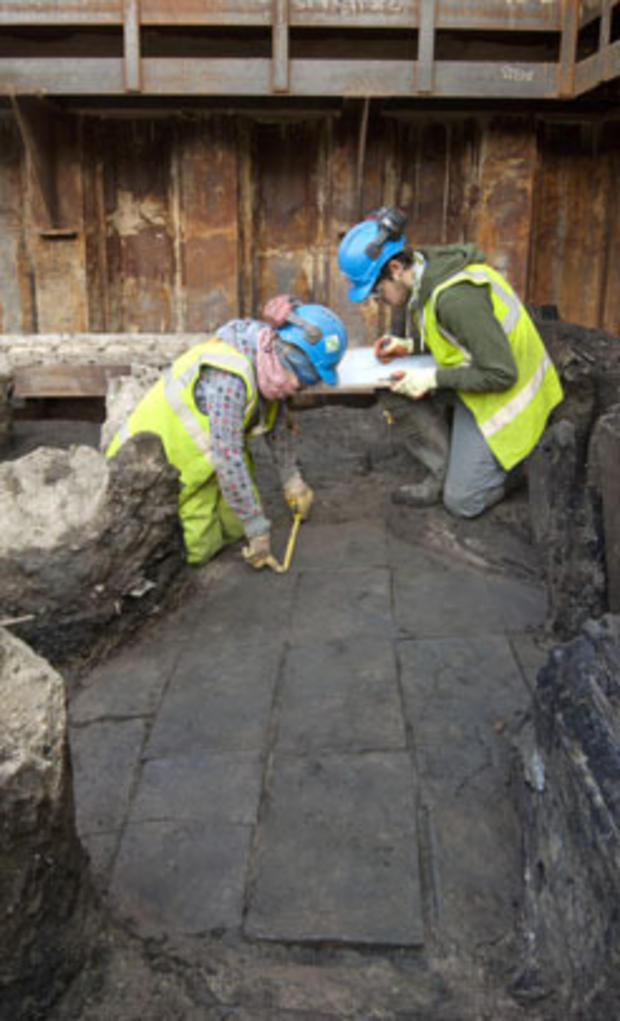
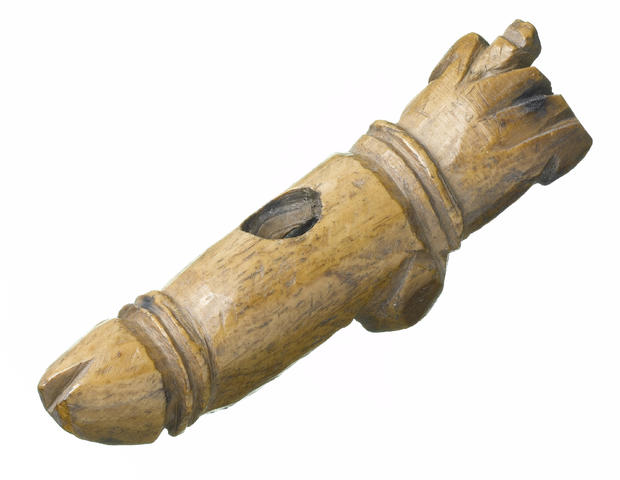
What surprised archaeologists this time is the size of the haul and the condition of the finds -- 10,000 objects covering more than 400 hundred years of the Roman presence.
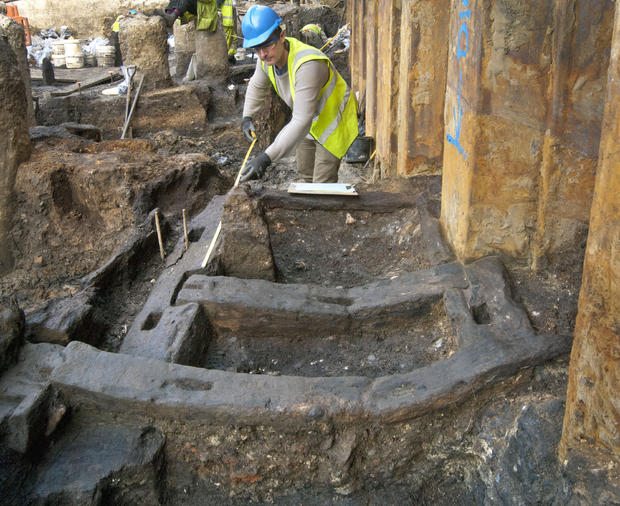
A Roman timber train is unearthed at the London site.
Watch the "CBS This Morning" report about artifacts
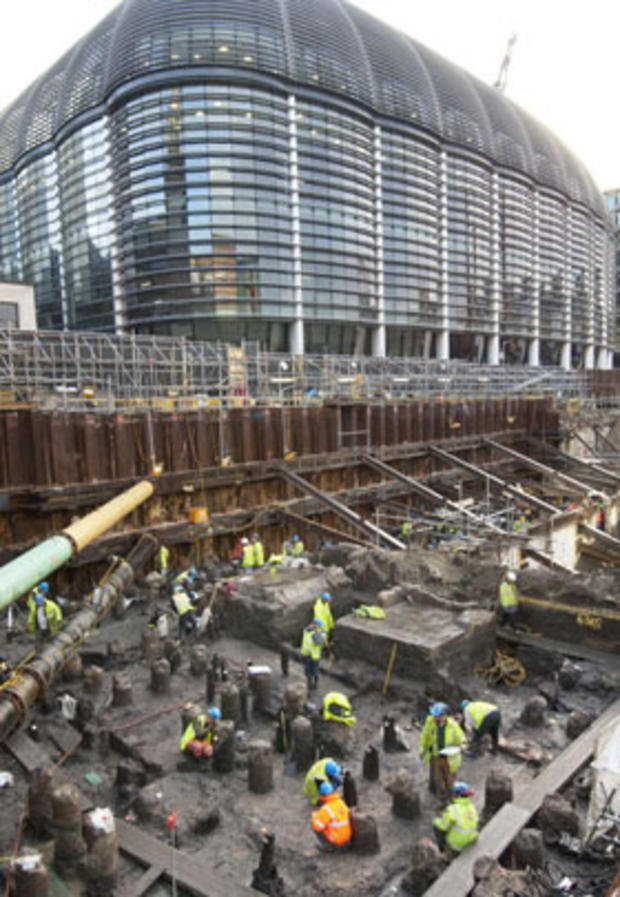
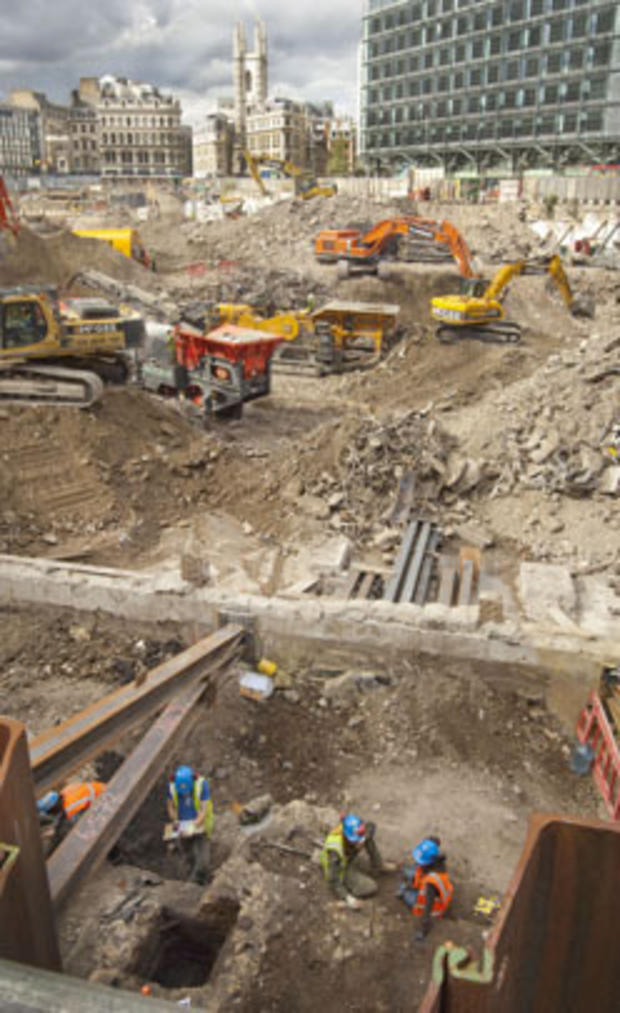
A view of excavations at Bloomberg Place, looking southeast.
Watch the "CBS This Morning" report about artifacts
Watch the "CBS This Morning" report about artifacts
Watch the "CBS This Morning" report about artifacts
Watch the "CBS This Morning" report about artifacts
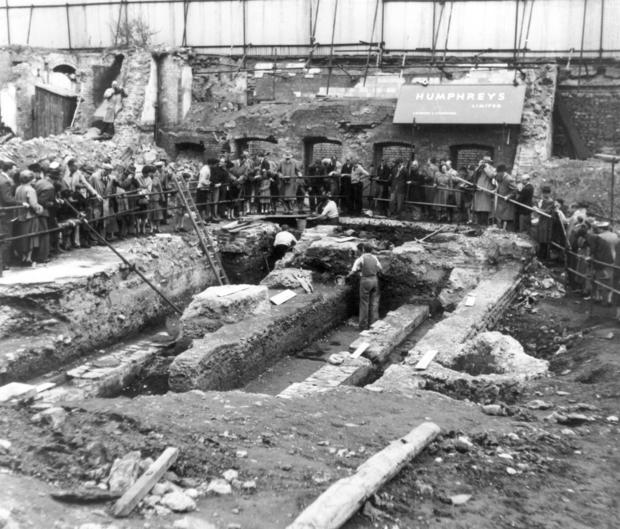
Seen here, an undated photo of the Temple of Mithras excavation.
Watch the "CBS This Morning" report about artifacts
Watch the "CBS This Morning" report about artifacts
Watch the "CBS This Morning" report about artifacts
Watch the "CBS This Morning" report about artifacts
Watch the "CBS This Morning" report about artifacts
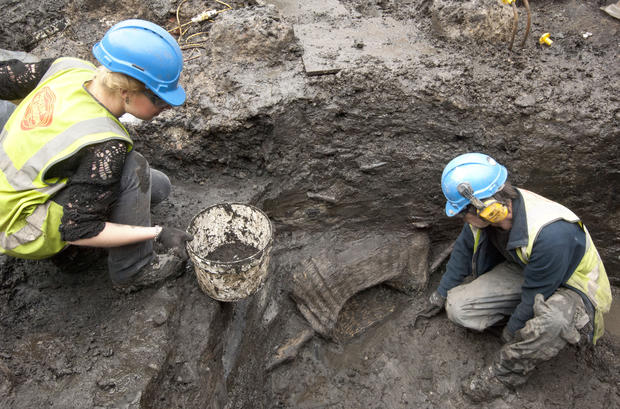
Susanna McFadden, assistant professor at Fordham University, said, "There's so much to be assessed. I read an article saying something like there was something like 10,000 objects that had been discovered, which is really mind-blowing, really, really exciting. And from several centuries, so it's going to take years to sort out the chronology of all that material."
Watch the "CBS This Morning" report about artifacts
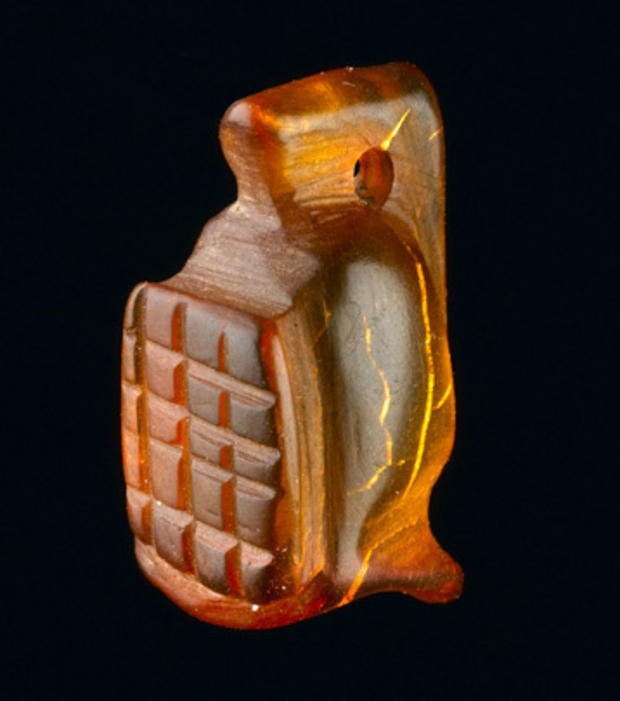
The archeological treasures will eventually be on display in a public exhibit on the site.
Watch the "CBS This Morning" report about artifacts
Watch the "CBS This Morning" report about artifacts
Watch the "CBS This Morning" report about artifacts
Watch the "CBS This Morning" report about artifacts
Watch the "CBS This Morning" report about artifacts
Watch the "CBS This Morning" report about artifacts
Watch the "CBS This Morning" report about artifacts
Watch the "CBS This Morning" report about artifacts
Watch the "CBS This Morning" report about artifacts
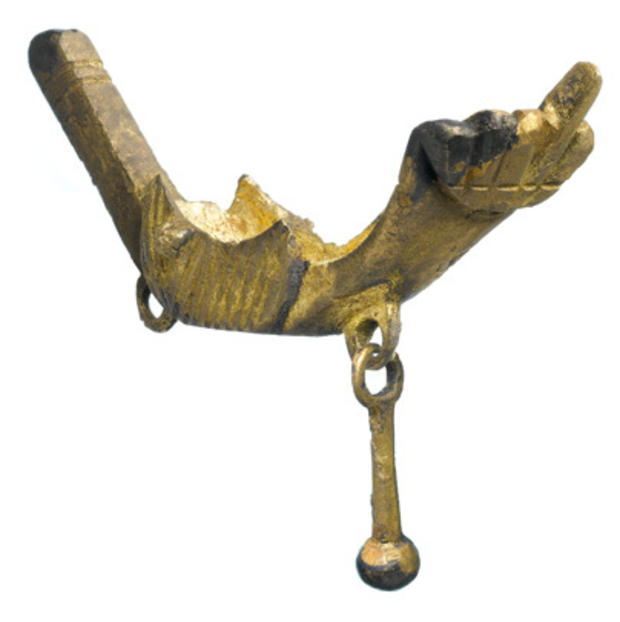
Watch the "CBS This Morning" report about artifacts