iStockphoto
Antibiotics save lives, eliminating infections that can be difficult or impossible to treat any other way. But antibiotics aren't foolproof. In fact, they can cause serious health problems when used incorrectly. And because they buy in to common misconceptions about antibiotics, many Americans do just that.
With the help of antibiotic expert Dr. Allan Lieberthal, a spokesman for the American Academy of Pediatrics, CBS News has assembled seven common myths about antibiotics - and the truth about each.
Reading the list might just save your life...
Myth: Antibiotics Are Great for Colds
istockphoto
Antibiotics are effective against infections caused by bacteria, fungi, and some parasites. They don't work against viruses - which cause colds, flu and most coughs and sore throats.
Myth: It's OK to Take Antibiotics Prescribed for Someone Else
iStockphoto
The best antibiotic for you depends upon the specific illness you have. An antibiotic prescribed for someone else might not work for what ails you, and may actually make the illness worse.
Myth: It's OK to Stop Early
iStockphoto
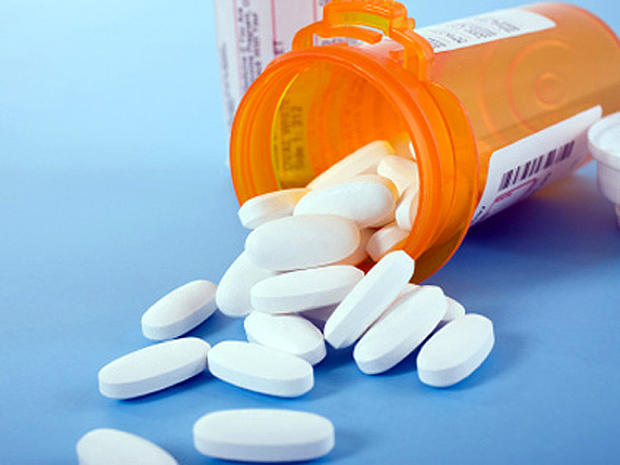
If your doctor prescribes antibiotics, it's best to take all the prescribed doses - even if you feel better. Stopping early could mean the infection hasn't yet been fully eliminated - and could continue to make you sick.
Myth: It's a Good Idea to Save Leftover Medication
iStockphoto
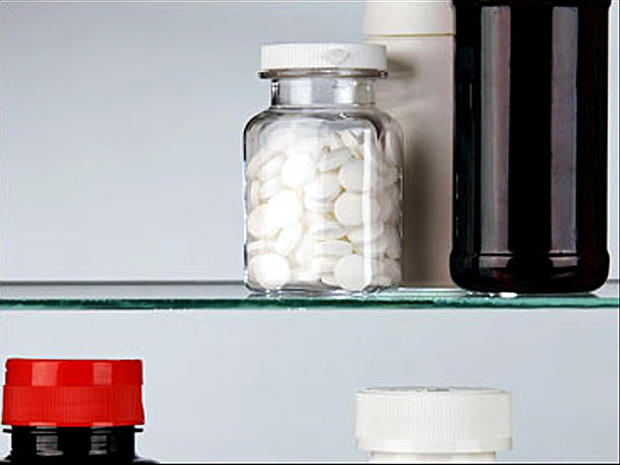
Some patients try to save on drug costs by stockpiling medication they did not take during an illness - thinking they can simply take it next time they get sick. But medications -especially liquids - can lose their potency over time. What's more, the leftover medication might not work against your latest illness and could actually make it worse. Of course, if antibiotics are taken appropriately, there shouldn't be any leftover medication.
Myth: Antibiotics Can Prevent Bacterial Illness
istockphoto
Taking an antibiotic when there is not a bacterial illness will not improve the course of the illness or prevent secondary bacterial illness.
Myth: Antibiotics Are Worth Taking Just in Case
iStockphoto
Some consumers think it's a good idea to take antibiotics even if there's little chance they will help. Not true.
Antibiotics can cause side effects, including diarrhea and rash, in a significant number of people. What's more, the overuse of antibiotics may cause bacteria to become resistant to antibiotics - making them harder to treat in the future.
Myth: Antibiotics Are Always Effective
iStockphoto
If symptoms persist after you've completed a course of antibiotics, alert your doctor. There's a chance the germs that made you sick were caused by germs that are resistant to the antibiotic you took. You might need an alternative.