Josh Miller/CNET
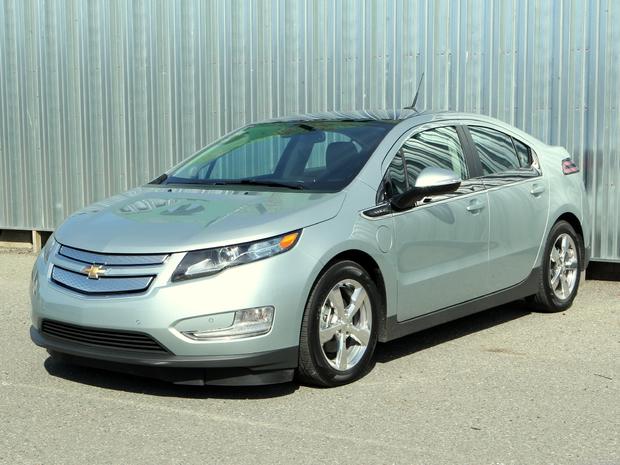
Chevy's Volt is a bold move for the automaker, an experiment with a completely new type of automotive power train. Technically a hybrid, the Volt uses an electric motor to drive the front wheels, which gets electricity from both a battery pack and a gas engine.
Josh Miller/CNET
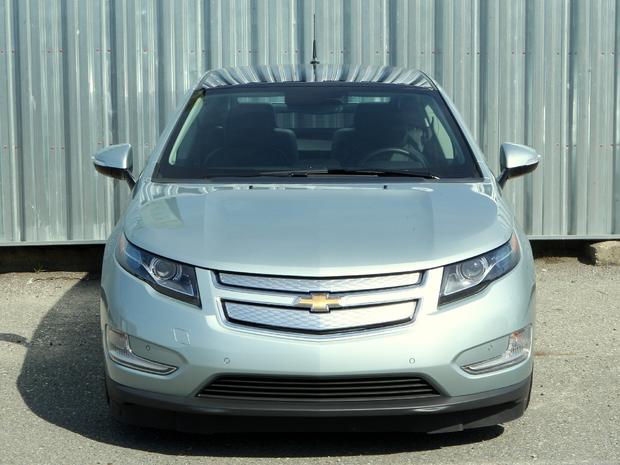
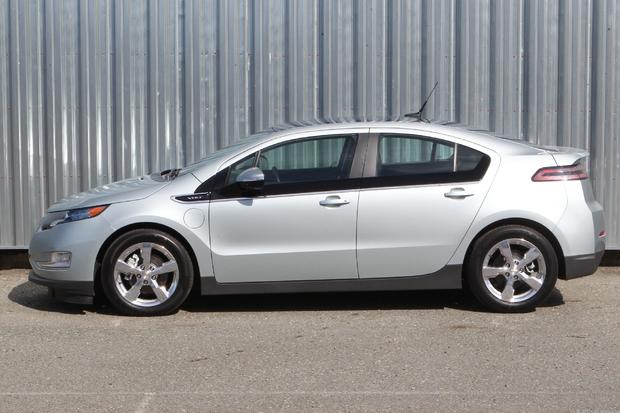
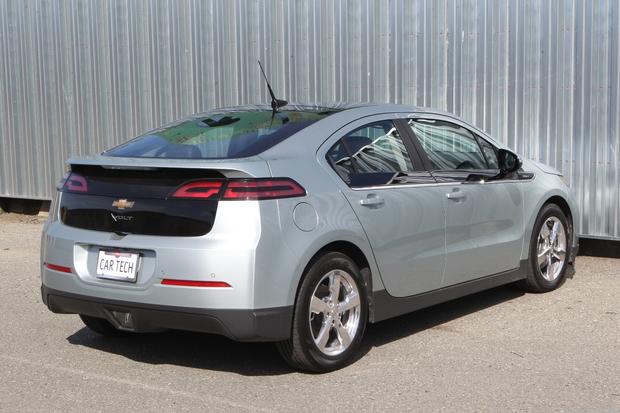
The Volt's styling looks benign, a simple sedan-like front-end and an inconspicuous roofline. The grille has minimal venting, as it is designed more for aerodynamics than cooling the radiator. As the small engine doesn't have to rev high, its cooling needs are minimal.
Josh Miller/CNET
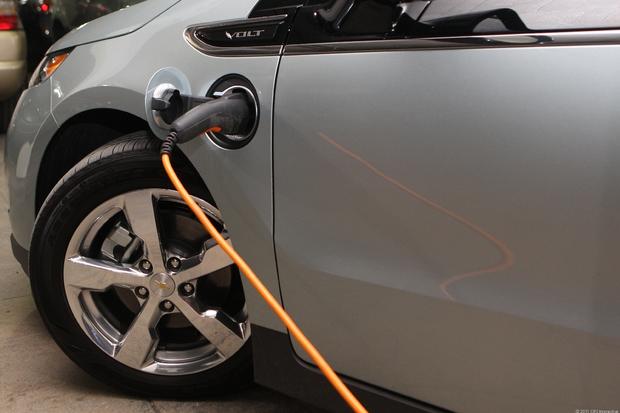
A plug-in port sits up on the driver side of the car and uses a standard J1772 plug. It can be plugged into a 110- or 220-volt home outlet, or a quick charger. The lithium ion battery pack can run the car for 35 miles on a full charge.
Josh Miller/CNET
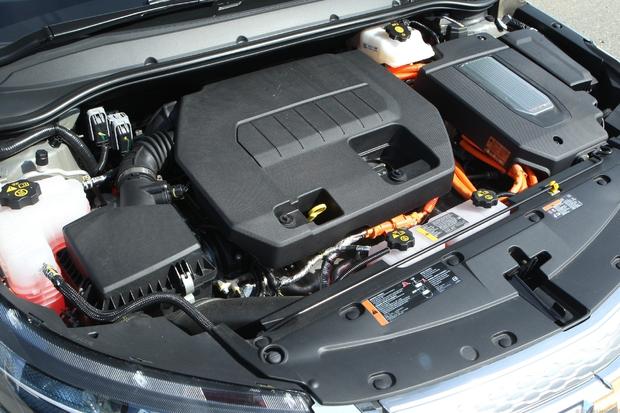
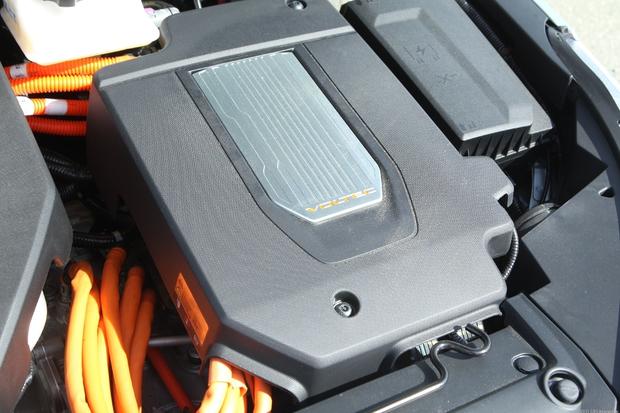
A conventional 1.4-liter four-cylinder engine sits buried among power modules underneath the hood. As it runs at steady speeds, its maintenance needs should be minimal.
Josh Miller/CNET
The Voltec power control module is a computer that notes when the battery is exhausted, and decides when the engine needs to turn on. It also governs regeneration and other electricity flow within the car.
Josh Miller/CNET
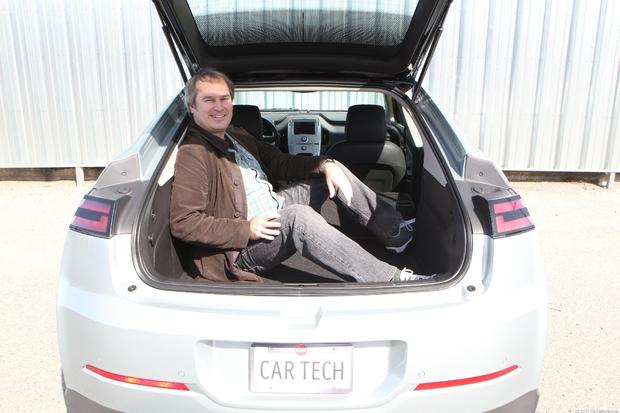
With the Volt's cabin size, it could easily be a five seater, except the battery pack runs down the center of the car, splitting the rear seats. As such, it can only carry four people.
Josh Miller/CNET
The 16 kWh battery pack adds a lot of weight to the Volt, but Chevy engineered it to sit low in the chassis, contributing to stability.
Josh Miller/CNET
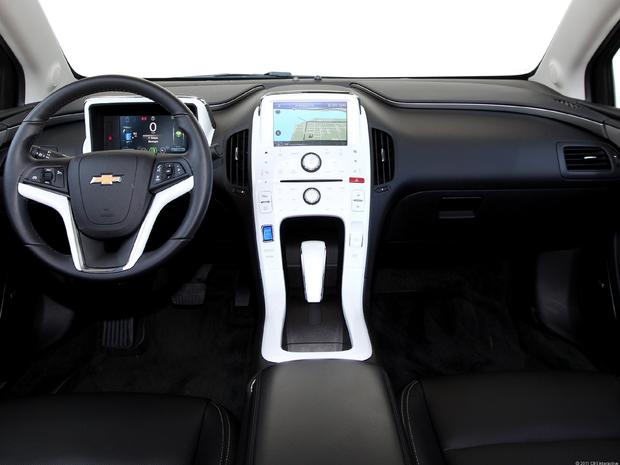
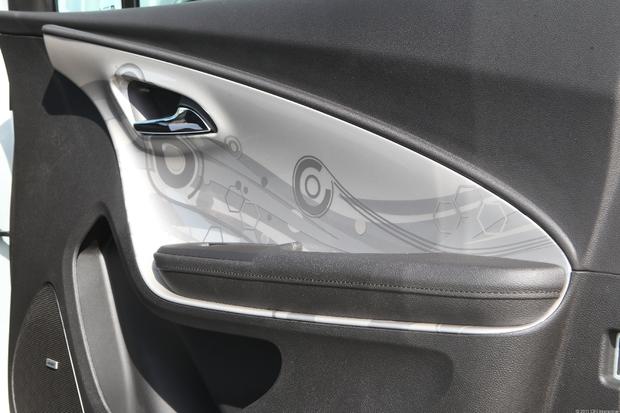
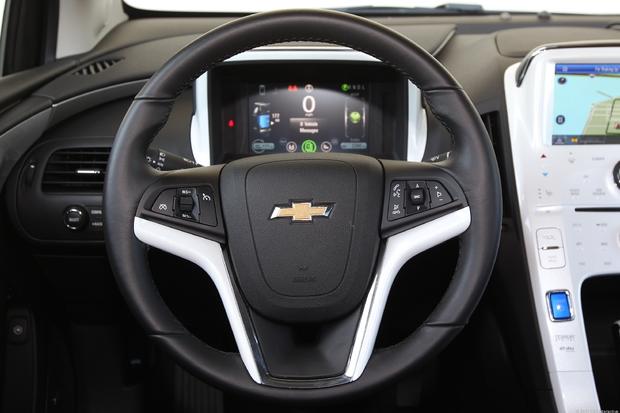
Chevy shows it can do good coachwork with the Volt's cabin. Fine materials with a pleasing layout give the Volt a quality feel that had been lacking in older Chevy cars.
Josh Miller/CNET
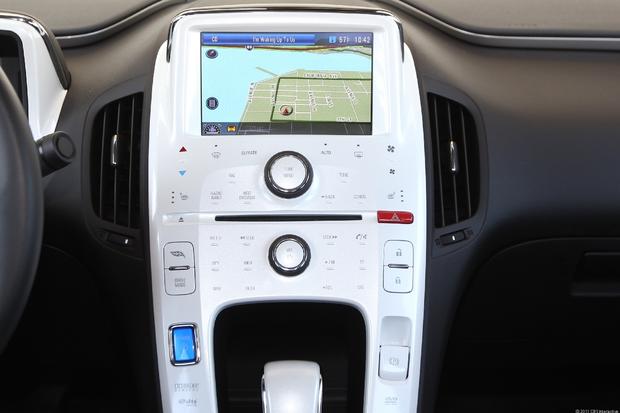
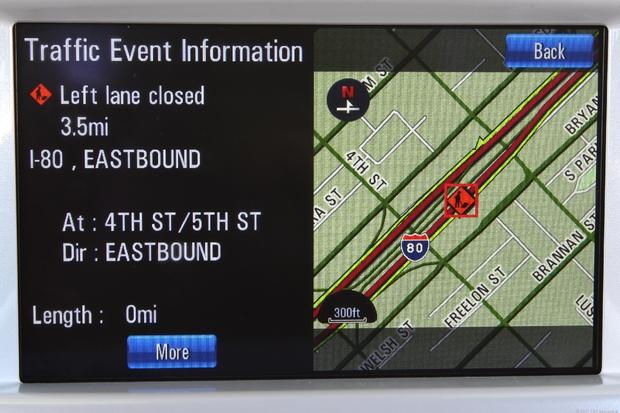
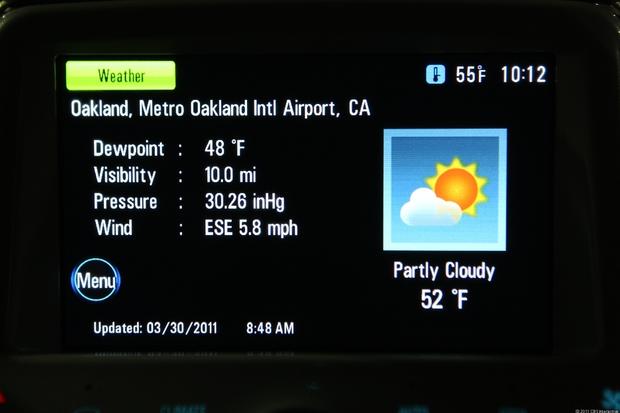
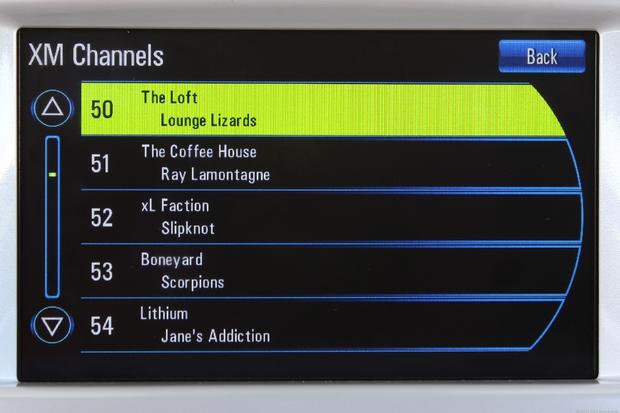
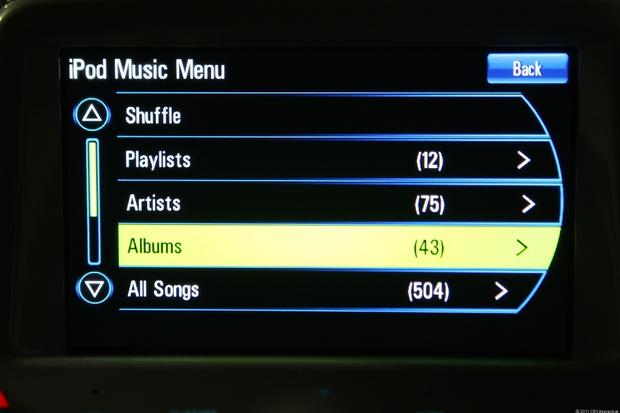
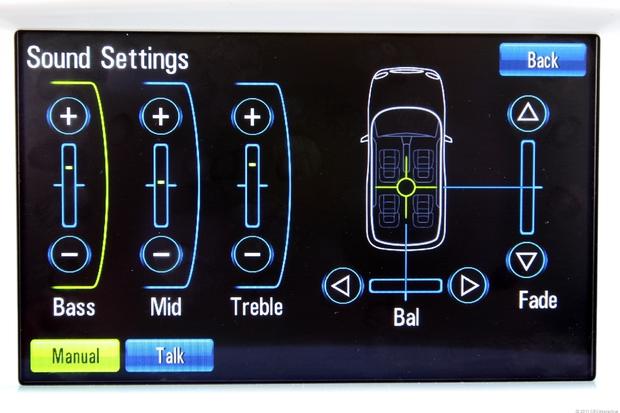
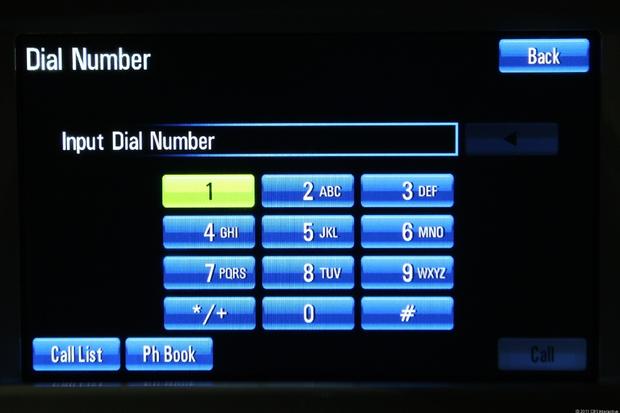
The center console changes little from the concepts shown at auto shows, using touch buttons and a high-resolution LCD. It really sets the look of the Volt apart from other cars.
Josh Miller/CNET
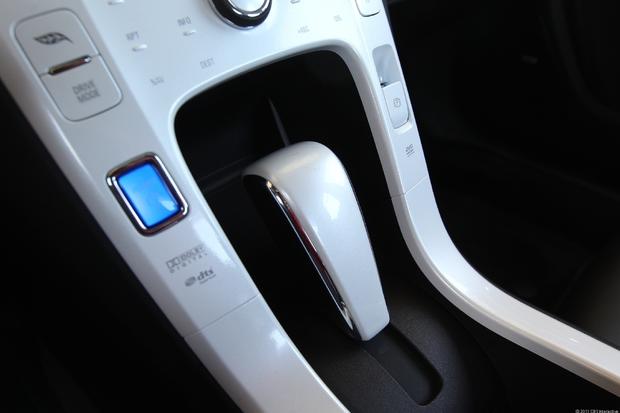
Although the Volt has a large shift lever, it is merely an electronic control, running the car through Drive, Low, Reverse, Neutral, and Park, familiar settings for most drivers.
Josh Miller/CNET
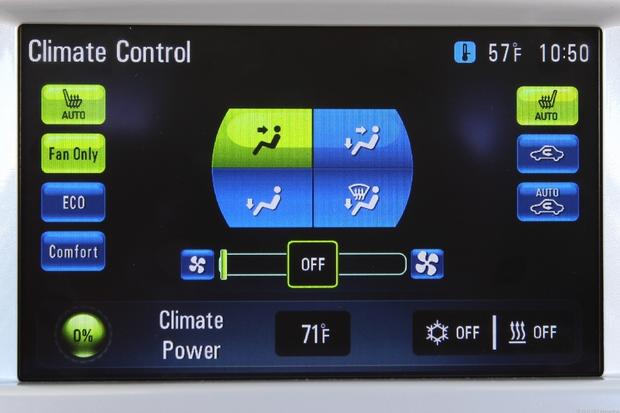
The climate control screen has an Eco mode button to help save electricity, and therefore, range. But the Fan Only button goes a longer way to preserving range.
Josh Miller/CNET
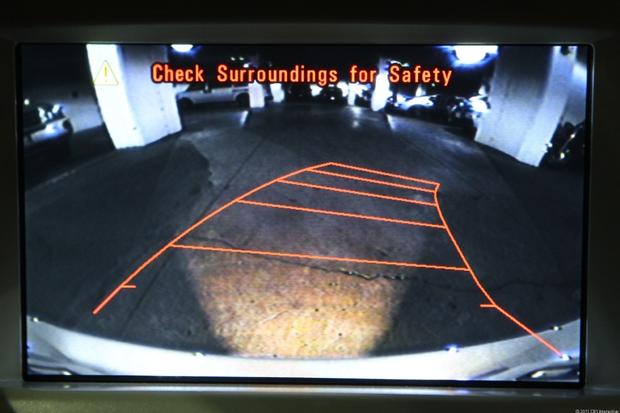
The backup camera not only has trajectory lines, but also detects obstacles, flashing a warning icon over them. The reverse light is also useful for illumination, unlike in most cars.