Pontiac
America's car culture is the stuff of legend around the world - but what are the cars that made it so?
Journalist and Reuters deputy editor-in-chief Paul Ingrassia, in his book "Engines of Change: A History of the American Dream in Fifteen Cars," explores what he says were the most influential cars in American history - not the best or the fastest or the most stylish, but those that had the greatest impact upon how we live.
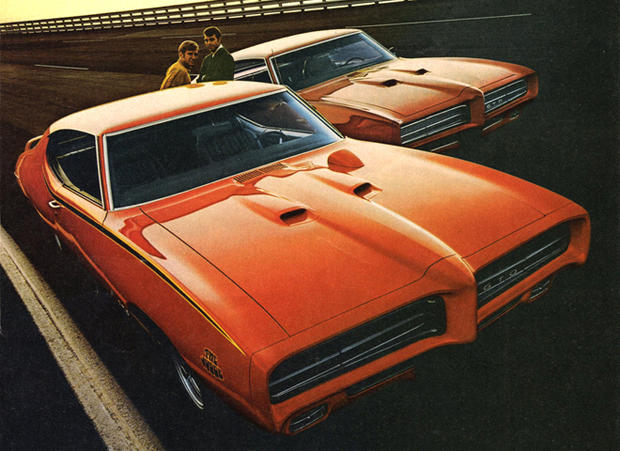
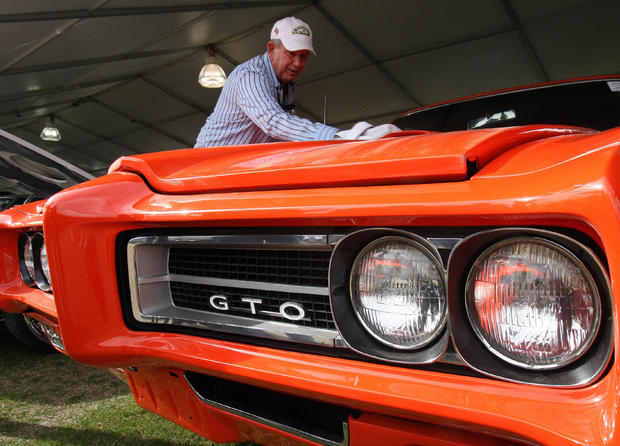
Left: The Pontiac GTO, which was the signature car of General Motors in the 1960s and came to embody the ideal of muscle cars.
Ford Motor Company
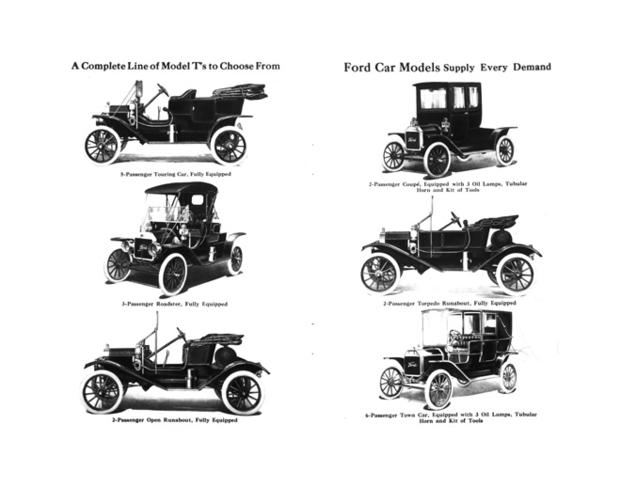
The first of Ingrassia's 15 cars with the greatest impact was, naturally, the first automobile mass-produced out of fully interchangeable parts: Henry Ford's Model T.
Introduced in 1908, it wasn't he cheapest car on the market (The Brush "Everyman's Car" cost $350 less), but the Model T was crafted out of a new type of steel, vanadium, that was lighter but stronger than traditional carbon steel. The car's four-cylinder engine was easier to manufacture, maintain and repair.
The company was flooded with backorders, as sales grew exponentially year over year. And in a move that was partly public relations' sake, Ford employees were given improved wages and hours, making the company's owner a working-class hero.
By 1916, sales of the Model T topped 700,000 a year, and by 1927, the last of 15,000,000 Model Ts rolled off the Detroit production lines.
General Motors
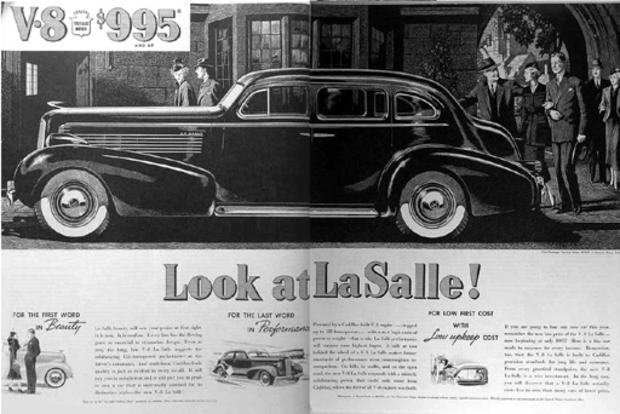
The LaSalle (1927) was the sophisticate's answer to the Model T: Stylish and packing a 75-horsepower V-8 engine, it qualified as a pace car for the Indianapolis 500.
Today the car is a largely forgotten brand, save for the lyrics of the theme of "All in the Family":
"Didn't need no welfare state.
Everybody pulled his weight.
Gee our old LaSalle ran great.
Those were the days."
AP Photo
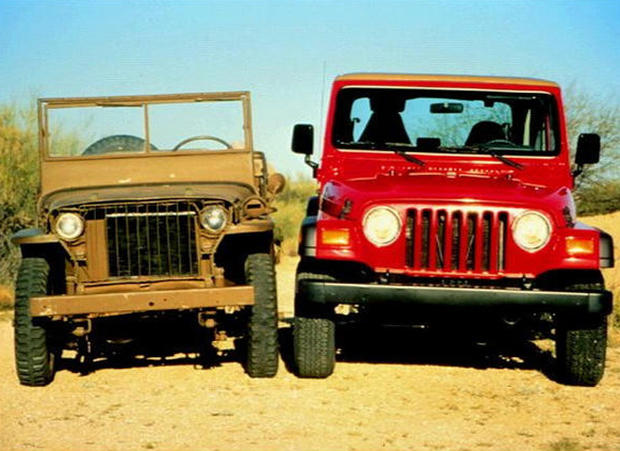
The Jeep helped the Allies win World War II, but its post-war civilian life was less illustrious, known for kidney-busting rides. But when American Motors was purchased by Chrysler in 1987, AMC's best-selling model in the Jeep line, the Cherokee, received a makeover. Its success led to a war of SUVs among automakers.
Chevrolet
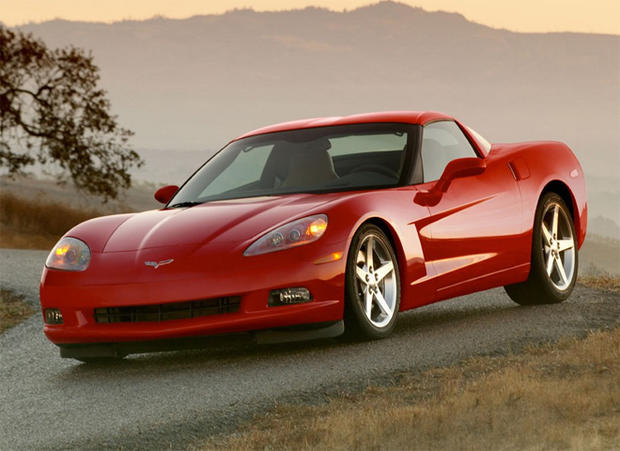
The Corvette was the first modern American sports car. Its original design debuted in 1953, but the sleek exterior (so sleek it lacked exterior door handles) masked an anemic six-cylinder engine. It was not a hit. Later models boosted the engine to eight cylinders (equal to the rival Thunderbird), improved suspension, and added a fuel injection system. Corvettes were run in the Le Mans auto race - and starred in the TV series "Route 66."
By 1979 Corvettes ranged from 350 to 435 horsepower.
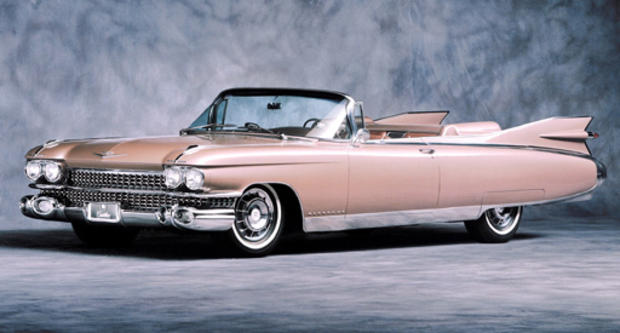
Tail fins, as seen on this 1959 Cadillac Eldorado, were symbols of post-war America's sky's-the-limit ethos - or as one GM executive put it, "Cadillac's realm of motoring majesty."
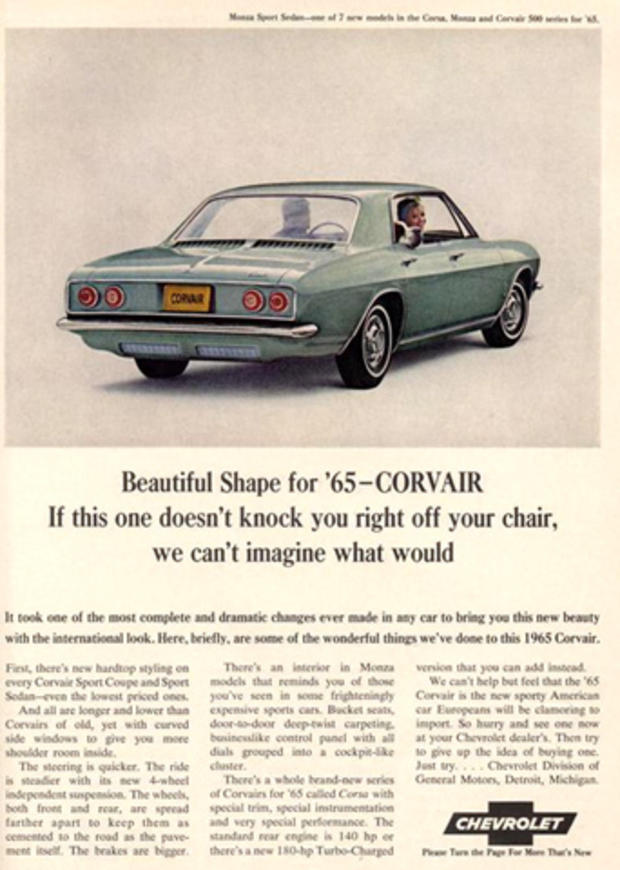
The Corvair ultimately became less famous for what it was (a rear-engine sedan that could tackle Pikes Peak) than for what it wasn't (safe).
Consumer advocate Ralph Nader's 1965 book "Unsafe at Any Speed" only devoted one chapter to the Corvair and its penchant for rear-end spinouts, and to the auto industry's efforts to cover up its safety issues, but it led to acrimonious lawsuits, a Senate subcommittee hearing, and the National Traffic and Motor Vehicle Safety Act of 1966.
BMW
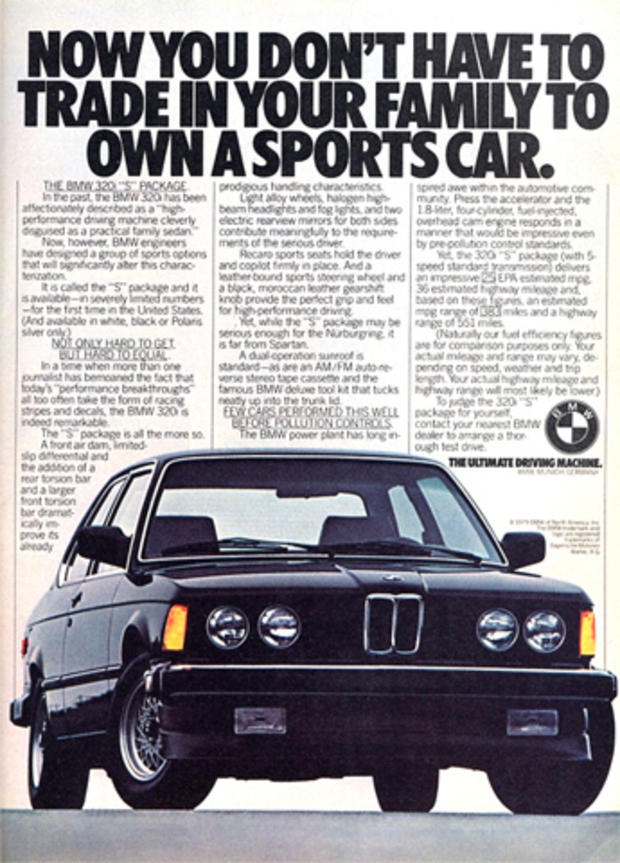
BMW's 3 Series was the least expensive of the automaker's cars - and thus the most affordable for the upwardly-mobile. Despite concerns by the German company's bosses that the car's yuppie image in the 1980s might damage the brand, BMW's auto sales in the U.S. rose from 9,800 in 1970 to nearly 97,000 in 1986 - and in fact, the optional sports package (special suspension, higher grade audio system, etc.) only boosted demand.
file,AP Photo/Ford
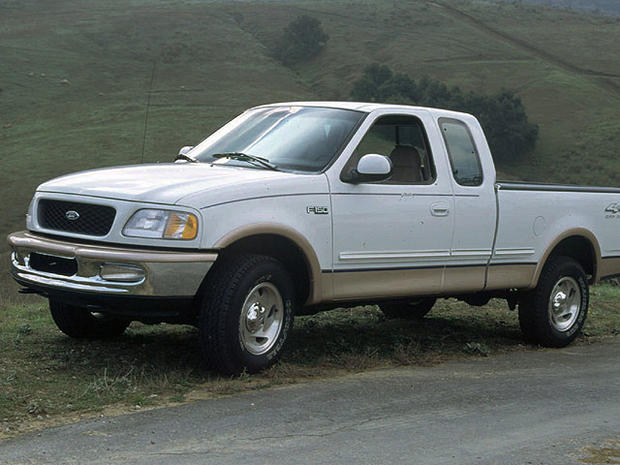
In Texas Ford dealers called their full-sized 150 pickup the "Texas Mustang." Ford actually trailed Chevy in developing a post-war pickup truck line, but was the first to include a V-8 engine.
Volkswagen
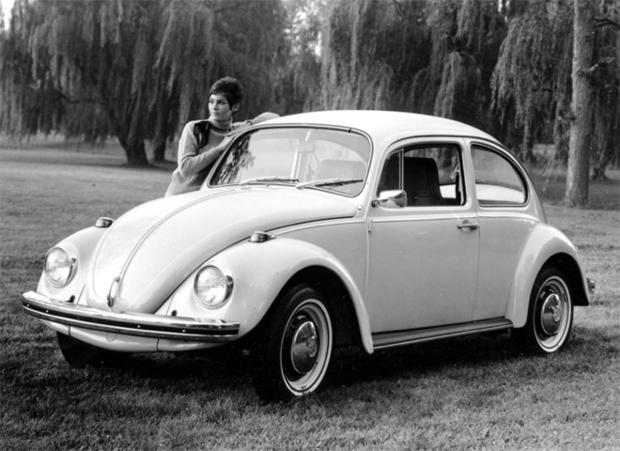
In the late 1930s Volkswagen introduced the Kraft durch Freude Wagen (or "Strength through Joy car"). Hitler wanted a practical car for the common man, and fortunately it fared better than he did: In the 1960s the Beetle, and the VW Microbus developed after the war, were adopted as hippie icons and the stars of Disney comedies.
Volkswagen
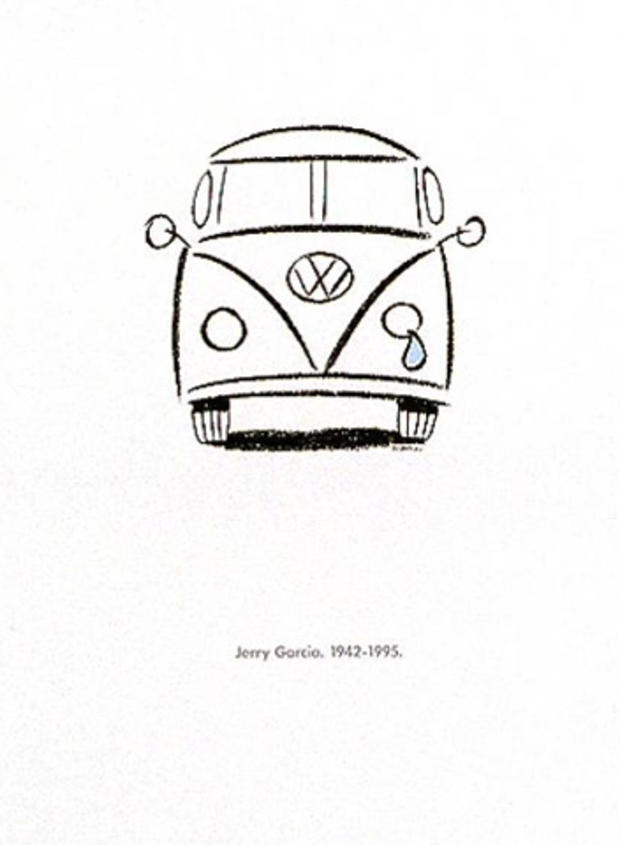
The VW Microbus became synonymous with the Sixties, and the Grateful Dead - so much so that the passing of Jerry Garcia prompted this ad from Volkswagen.
AP Photo
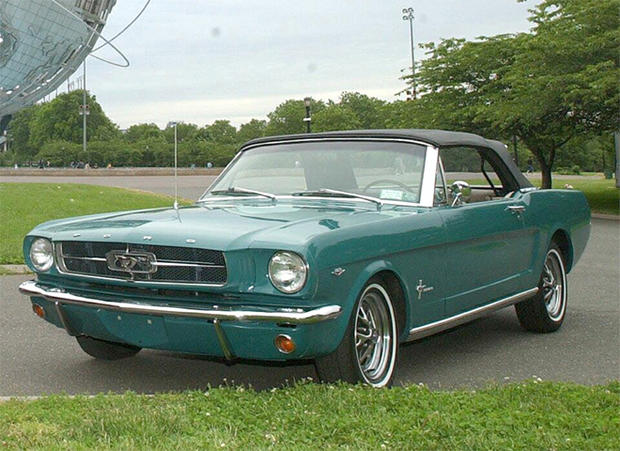
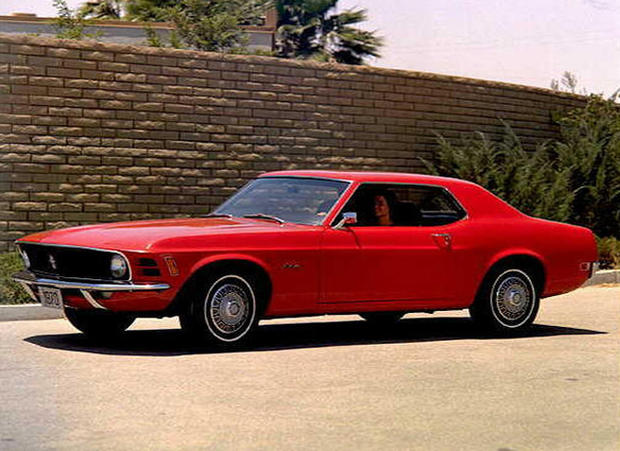
The Ford Mustang was made popular by everyone from Steve McQueen to Mary Tyler Moore. The Mustang made "sporty" affordable.
AP Photo
The Mustang "just really captured this era when America's baby boomers were coming of age, getting their driver's licenses, going to college, and they wanted something different, really from their parents," said Ingrassia.
Josh Miller/CNET
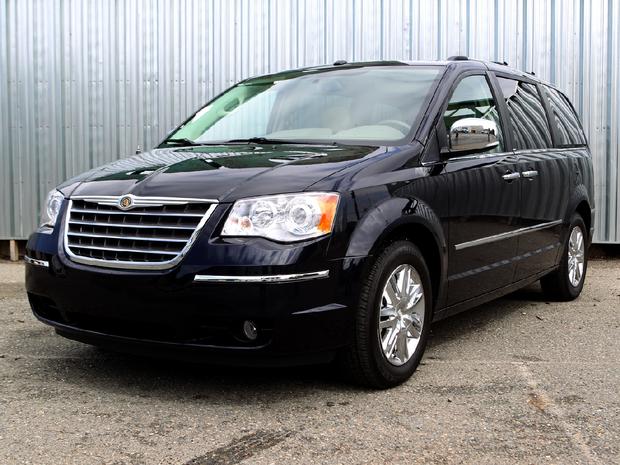
And when those baby boomers came of age and started having kids? Enter the Chrysler Minivan. It not only replaced the crowded family station wagon as a cultural icon, but became a political symbol, as the car "soccer moms" drove.
AP Photo
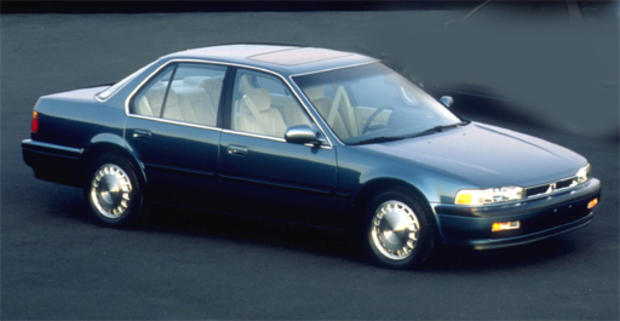
The Honda Accord - plain, simple and reliable. Since the mid-Eighties most Accords sold in America were built here, signifying not only the rise of the Japanese car but of globalization.
Toyota Motor Sales
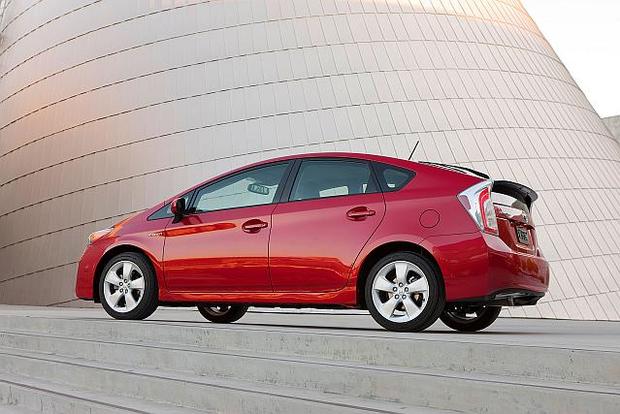
The hybrid Toyota Prius was another obvious choice for inclusion, given the impression - or LACK of impression - it left on the environment.
GABRIEL BOUYS/AFP/Getty Images
A man cleans a 1969 Pontiac GTO at the 2008 Barrett-Jackson Collector Cars auction in Scottsdale, Ariz.