Philadelphia educators host Black History Month celebration at Please Touch Museum

Families filled the Please Touch Museum in West Philadelphia on Saturday as the museum marked Black History Month with a daylong celebration centered on representation, creativity and possibility for young children.
The event brought together African American authors, artists and educators for interactive programming designed to help kids see themselves reflected in stories, science and art.
Children's author John Butler — known to young readers as "Cousin John" — kicked off the celebration with a storytime reading focused on sharing. The lesson extended beyond the book itself, as Butler encouraged children to imagine becoming authors themselves.
"Especially for my children, they need to know that anyone can write a book — anyone can tell their stories," Whitney Harris, who attended with her two children, said.
Museum leaders said the goal of the celebration was to create meaningful opportunities for children to see themselves represented across different disciplines.
"Making sure they have those windows and opportunities to see themselves — if they belong to the Black American community — is incredibly important," Amirah Ali, Director of Community Programs and Inclusion, said.
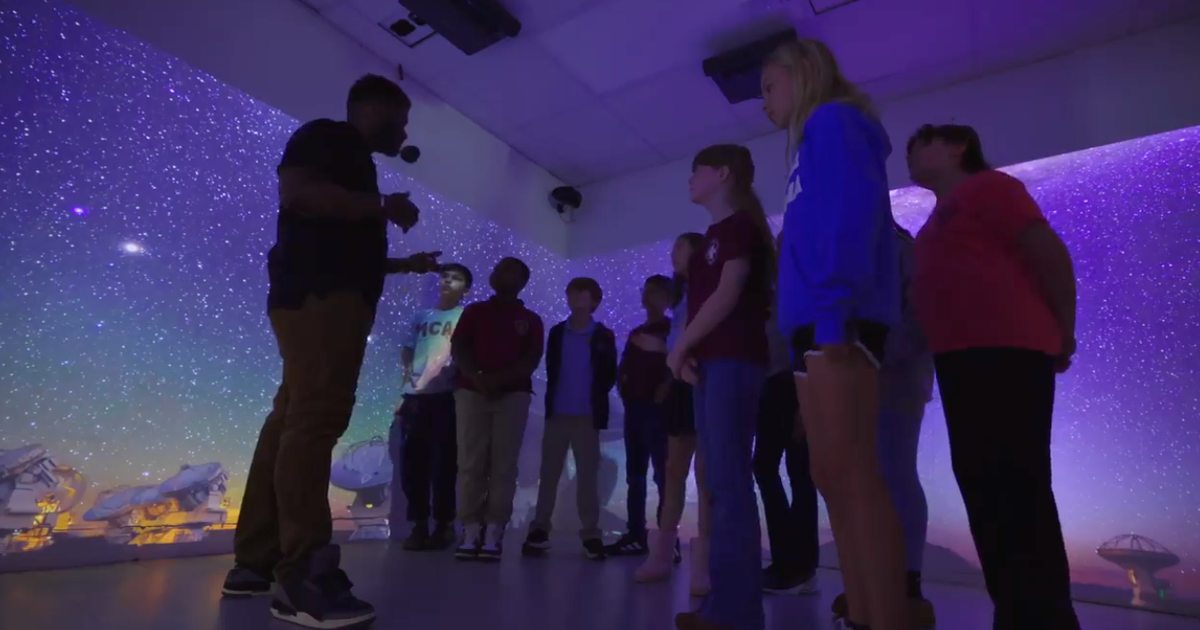
That message carried into the museum's science classrooms, where children learned about electricity by holding hands to create a human circuit — prompting cheers as a device buzzed and lit up.
Teacher David Buckholtz said hands-on experiences help spark early interest in science.
"I'm always implementing what I call low-cost, high-impact science lessons," Buckholtz said. "Really getting these young people geared up and excited for partaking in some science."
Families said the impact of seeing educators and leaders who look like them was powerful.
"It kind of encourages you — that if you see another [person] that looks like you, that you can do it too," Tamara Reddick said.
In the art studio, children collaborated on a colorful mural honoring Henrietta Lacks, an African American woman whose cancer cells were widely used in medical research and led to major scientific breakthroughs.
Before painting, muralist Amir Campbell explained Lacks' legacy and asked students to imagine how they might help heal the world.
"Because of her, doctors learned how to make medicines, help sick children, sick people, and save lives," Campbell told the group.
Organizers said the celebration was designed not only to honor Black history, but to help children envision their own futures.
"We want to really make sure children are feeling confident and excited about who they are," Ali said.