Family of Parady La, who died in ICE custody in Philadelphia, searches for answers

The family of a man who died after being taken into custody by U.S. Immigration and Customs Enforcement is demanding to know exactly what happened.
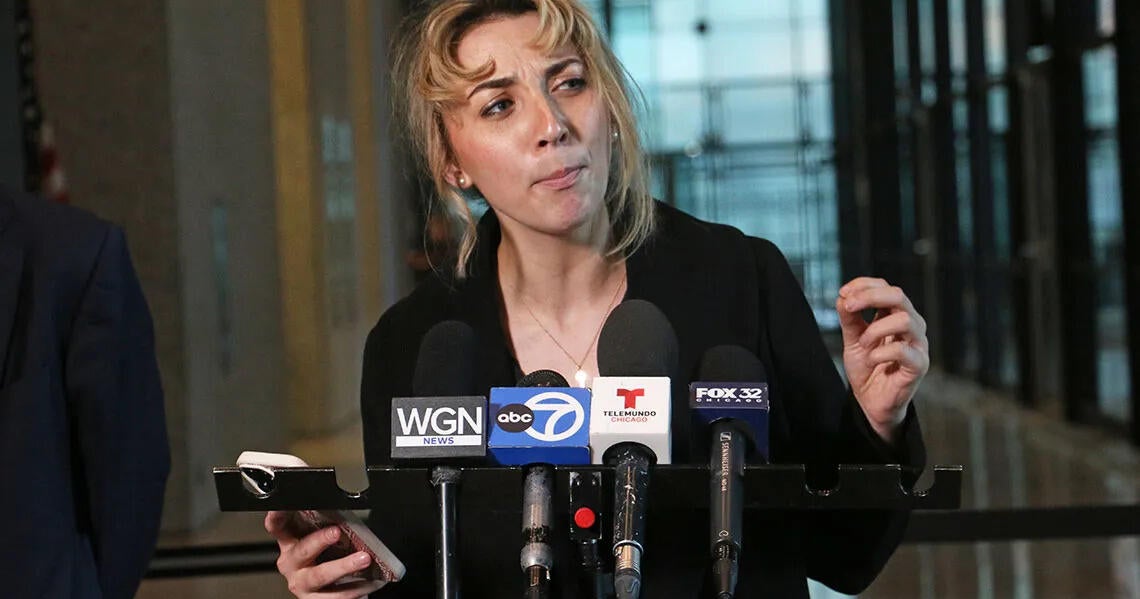
Relatives of the man, Parady La, were joined by advocacy groups Thursday as they begged for answers about how the 46-year-old died three days after ICE arrested him and brought him to the Federal Detention Center in Philadelphia.
Parady La was arrested by ICE near his Upper Darby home on Jan. 6, according to his family.
Days later, the family got word that he had been transported to Jefferson University Hospital.
Now, the family, the ACLU of Pennsylvania and other groups are calling for the release of records, video footage and other information to understand what happened.
"We all know that it was too little too late. He was sent to Jefferson Hospital, where nurses and doctors had found his organs already failing, his skin was already cold and his brain deprived of oxygen and any activity," Jazmine La, Parady La's daughter, said.
In a statement last month, ICE said Parady La was receiving treatment for severe drug withdrawal while being detained at the Federal Detention Center in Philadelphia.
According to ICE, La was found unresponsive in his cell on Jan. 7 and FDC officers administered several doses of Narcan before EMS arrived and took him to the hospital, where he died two days later.
ICE says La became a lawful resident of the U.S. in 1982 but lost his status after committing a long list of crimes over two decades.
That list, ICE says, includes convictions for robbery, DUI and drug possession.
The statement also said in part, "ICE is committed to ensuring that all those in custody reside in safe, secure and humane environments. … At no time during detention is a detained alien denied emergency care."
Parady La's daughter, wife and niece all spoke Thursday, saying he struggled with addiction and needed help but was a loving, generous family man. They also questioned why their loved one was given Narcan, which is typically used to treat overdoses, when he was having withdrawal symptoms.