Nationwide shortage of estrogen patches has forced South Jersey women to find alternatives

A nationwide shortage of estrogen patches used for hormone replacement therapy has prompted many women to look for alternatives for treating symptoms of menopause.
Prescriptions for HRT have increased 86%, according to one survey.
But finding the popular estrogen patches is tricky now.
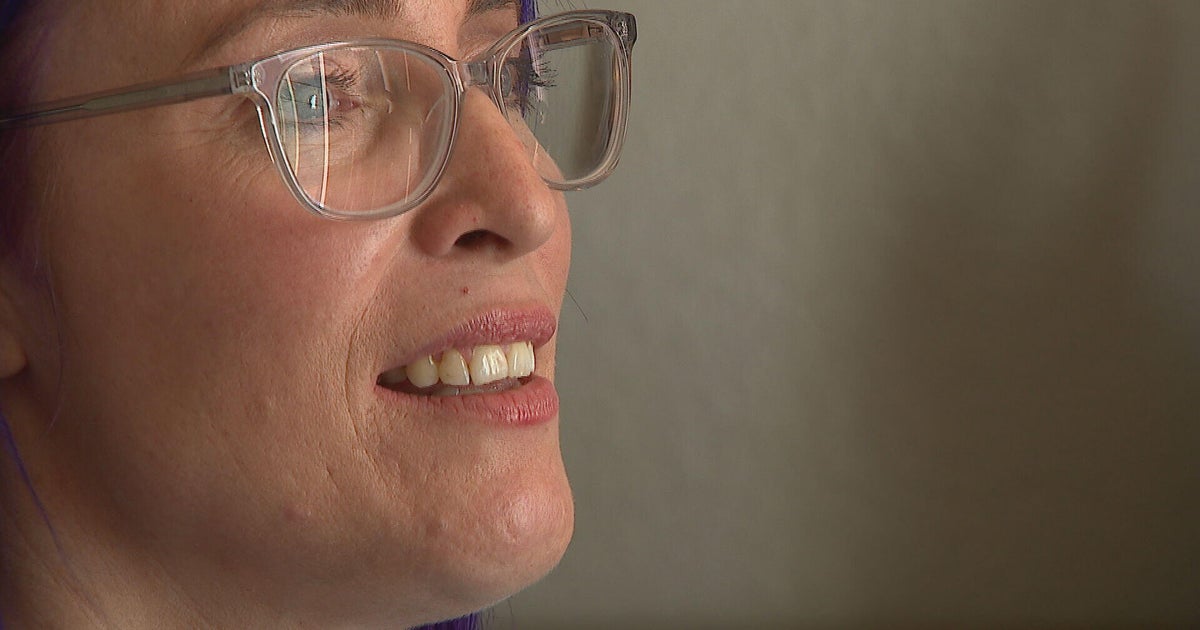
Holly Sleppy, a 52-year-old who works at Virtua, shared her frustrations, which many menopausal women are feeling because of a shortage of the estrogen patches used to treat symptoms like hot flashes, irritability and brain fog.
"The patch is what was working for me, and it was very frustrating to not be able to get it, and I just feel like it's a disservice to women," Sleppy said.
The shortage comes with an increase in demand after the FDA lifted the black box warnings on HRT in November. At the same time, a popular brand was discontinued, and there are now supply chain issues.
"It's had a pretty big impact, actually patients are calling almost daily looking for ways around the shortage and what to do because once they feel good, they don't want to stop," Dr. Nermin Lazarus, of Virtua Health, said.
Lazarus, a menopause specialist at Virtua Health in South Jersey, said in addition to symptom relief, research now shows HRT can have long-term benefits for bone, heart and brain health.
"Every day I hear, 'I got my life back, I can't believe it,'" Lazarus said.
Sleppy said HRT was a lifesaver for her.
"I did feel like I was just back to feeling like myself again, and my family notices that," she said.
Because of the shortage, Sleppy said she's had to try different brands and doses with mixed results, but it's better than nothing.
"I keep telling people that they'll have to pry them out of my cold, dead hands. I feel so good taking estrogen," she said.
It's a sentiment shared by millions of women who are now scrambling to find the right estrogen replacement.
Doctors said HRT is not recommended for women who are being treated for heart disease or breast cancer.