Philadelphia cancer survivors, doctors call on Congress to protect research funding cuts

Cancer survivors, doctors and advocates turned out Tuesday at Independence Hall in Philadelphia to fight for medical research, calling on Congress to protect funding for cancer research that President Trump wants to reduce. Doctors say lives are at stake.
In the shadow of Independence Hall, the symbol of liberty and American advancement, cancer survivors and advocates are fighting to save medical research from Mr. Trump's proposed cutbacks.
"I am literally afraid that I may be coming to the end of my survivorship journey," Michael Hu said.
Hu, 47, has advanced lung cancer that's spread to his brain. He says his survival depends on new research discoveries, the only way he'll be able to watch his children grow up.
"Hearing there may be cuts is like taking hope away," Hu said.
The president wants to drastically cut NIH funding, including $2.7 billion from the National Cancer Institute, targeting what he calls wasteful spending and "woke" programs.
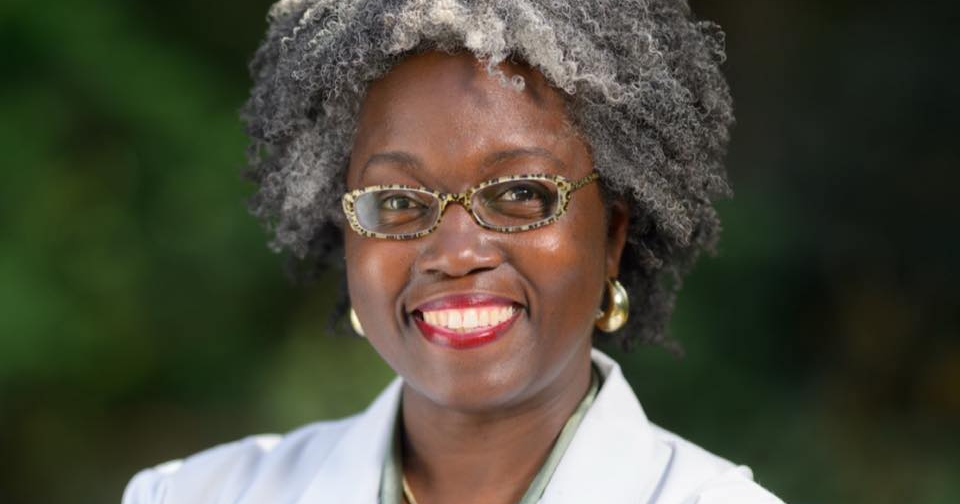
"These cares are not just numbers in a budget," Lynne Alston, breast cancer survivor, said. "A clinical trial gave me a future."
The message is aimed at Congress, which will be voting on Mr. Trump's budget that contains cutbacks to medical research.
"Congress has a sacred duty to continue investing in research to save lives," Enon Tabernacle Baptist Church Rev. Leroy Miles said. "It is a moral imperative."
Dr. Kurt Weiss lost his leg to bone cancer, diagnosed when he was 15. He credits research advances with saving his life, and he went on to become a cancer surgeon and researcher.
"There have been some remarkable, dramatic breakthroughs in so many forms of cancer," Weiss said. "Now is the wrong time to take your foot off the gas. We've got to push even harder."
There was no response from the White House to the rally in Philadelphia, which was hosted by the American Cancer Society Action Network.
"Let us stand united here at Independence Hall for patient, every survivor, every family who needs hope," Alston said.
Sept. 30 is the Congressional funding deadline, with the medical community now hard at work trying to convince politicians about the importance of research.