Remains of soldier who missed daughter's birth while fighting in WWII identified: "We sent him snapshots of his little girl"
The remains of an American soldier who missed his daughter's birth while fighting overseas in World War II have been identified more than eight decades after he was killed in action, U.S. officials said Monday.
U.S. Army Pfc. Wilbert G. Linsenbardt, 27, of Lohman, Missouri, was accounted for on April 30, 2025, the Defense POW/MIA Accounting Agency said in a news release.
Linsenbardt was reportedly killed in action on Dec. 5,1942, near Buna in Papua New Guinea after his unit —Company A, 128th Infantry Regiment, 32nd Infantry Division — came under heavy enemy fire, DPAA said. His remains could not be recovered after the war, and he was officially declared non-recoverable nine years after he was killed.
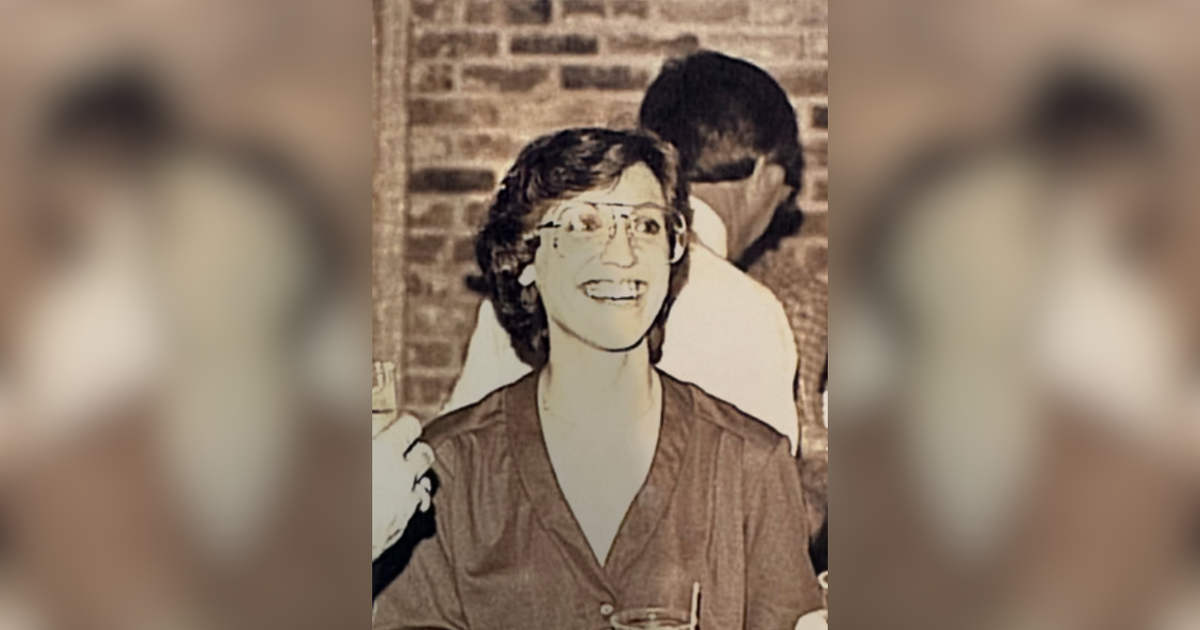
According to a newspaper clipping released by the Defense Department, Linsenbardt was deployed overseas when his daughter was born and was therefore unable to get the customary leave to go home for her birth.
"We sent him snapshots of his little girl," a member of the family is quoted as saying.
Linsenbardt died when his daughter was 4 months old, according to the newspaper article.

In 1943, human remains were recovered about 100 yards northeast of an area called the "Triangle," near where Linsenbardt was killed. But the remains were unable to be identified and reinterred.
In 2017, historians and anthropologists at DPAA compiled a list of 94 sets of unknown remains potentially associated with the area where Linsenbardt was killed, officials said. That same year, officials exhumed remains called "Unknown X-38 Finschhafen #2" and sent them to a DPAA laboratory for analysis.
Scientists were finally able to identify Linsenbardt's remains, using dental and anthropological analysis as well as circumstantial evidence. Experts also used DNA analysis and mitochondrial genome sequencing data to confirm the soldier's identity.
His daughter, Wilberta "Willie" Wright, said an aunt suggested she be named for her father, "since he was away fighting the war," the War History Online site reported.
"They never really talked about (my father) when I was younger," she told the site, "because it was really a difficult time for the family. But as I got older, his siblings would tell me about him … how he was very well-liked by everyone."
According to the Defense Department, the remains of almost 1,000 Americans killed in World War II have been identified and returned to their families for burial with full military honors.
Linsenbardt will be buried in his hometown in the spring.