3 things retirees should know about their credit card debt
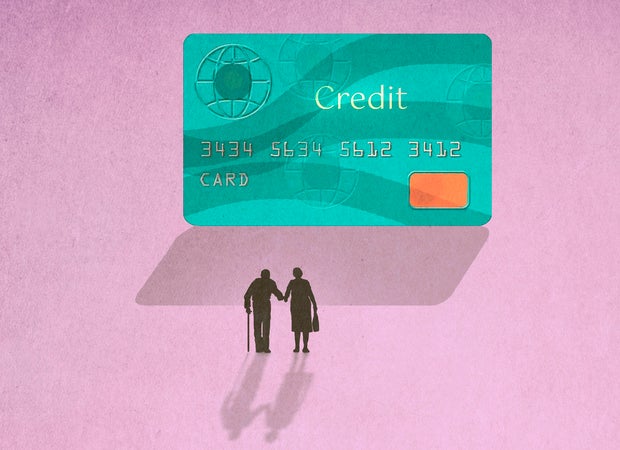
Retirement is supposed to come with at least some financial stability for retirees, but for millions of Americans over 65, credit card debt has become an unexpected companion in their golden years. Recent data shows that older Americans are carrying more credit card debt, with the average balance reaching alarming levels. What makes this trend particularly concerning is that retirees face unique challenges when it comes to managing this debt — challenges that working-age Americans simply don't encounter.
While younger borrowers might rely on salary increases or career changes to improve their financial situation, retirees typically depend on Social Security benefits and retirement savings instead. That alone can make it tough to manage rising debt, and when you add in the other economic issues that are looming, like sticky (and climbing) inflation and rising healthcare costs, it becomes clear why credit card debt is such a pressing issue for older demographics.
Still, many retirees don't realize that their approach to credit card debt needs to be fundamentally different from borrowers who are still in their working years. And, there are a few other things retirees should know about carrying credit card debt after they've stopped working, too.
Find out how to tackle your credit card debt during retirement.
3 things retirees should know about their credit card debt
Here are three of the most important things for retirees with credit card debt to understand right now:
Your Social Security benefits are generally protected from creditors
It's surprisingly easy to fall behind on high-rate debt payments when you're on a fixed income, especially as the interest charges compound, which is why it's important to understand that retirees' Social Security benefits are largely exempt from creditor collection efforts. Under federal law, creditors cannot garnish your Social Security to collect on credit card debt, even if they sue you and win a judgment. This protection also extends to other federal benefits like Supplemental Security Income (SSI) and veteran benefits.
However, there's an important caveat: Once you deposit these benefits into a bank account, maintaining that protection becomes more complicated. Banks are required to protect two months' worth of benefit deposits, but funds beyond that amount or money that's been in your account longer may be vulnerable. Understanding this protection is crucial because it means your basic income stream remains secure. This doesn't mean ignoring the debt is consequence-free, though. Creditors can still pursue other assets, and the stress of collection calls and potential lawsuits can take a serious toll on your quality of life.
Learn about the debt relief strategies available to you now.
Tapping retirement accounts to pay off debt usually backfires
When faced with mounting credit card balances, many retirees consider withdrawing from their 401(k), IRA or other retirement accounts to eliminate the debt. On the surface, this seems logical. After all, by doing so, you would trade a low-performing asset for eliminating high-rate debt. But this strategy often creates more problems than it solves.
For starters, you'll owe income taxes on any withdrawals from traditional retirement accounts, which could push you into a higher tax bracket and significantly reduce the amount available to actually pay down debt. If you're retired but under age 59½, you'll also face an early withdrawal penalty. Beyond the immediate tax hit, you're permanently removing money from tax-advantaged accounts where it could have continued growing.
Perhaps most importantly, though, you're depleting the finite resources that need to last throughout your retirement. A better approach is typically to explore whether you can negotiate directly with creditors on lower interest rates, consider a balance transfer to a lower-rate card if you qualify or look into structured debt relief options that don't require sacrificing your long-term security.
The math works differently when you're on a fixed income
Credit card debt operates the same way regardless of your age: interest compounds, minimum payments barely make a dent and balances grow if left unchecked. But what changes dramatically in retirement is your ability to outpace that debt. When you were working, you could potentially earn a raise, take on extra hours or change jobs to increase your income. In retirement, your income is essentially fixed, and in fact, you may be losing purchasing power to inflation even as your debt grows. This makes the timeline for becoming debt-free much more critical.
At a typical credit card interest rate of 22%, making only minimum payments on a $10,000 balance could take decades to pay off and would cost tens of thousands of dollars in interest. That's extra money and time that you may not have. The reality is that retirees need to be more aggressive about addressing credit card debt, whether that means creating a strict budget to pay more than the minimum, exploring debt consolidation options or seeking professional help with debt relief.
The bottom line
Credit card debt during retirement isn't just a financial inconvenience. It's a threat to the financial security you've spent decades building, so if you're dealing with this issue, it's important to find ways to resolve your debt without compromising your retirement savings. And, that starts by understanding how your situation differs from younger borrowers. This way, you can make informed decisions about managing and ultimately eliminating credit card debt during your retirement years.