3 ways to prevent credit card debt from ruining retirement

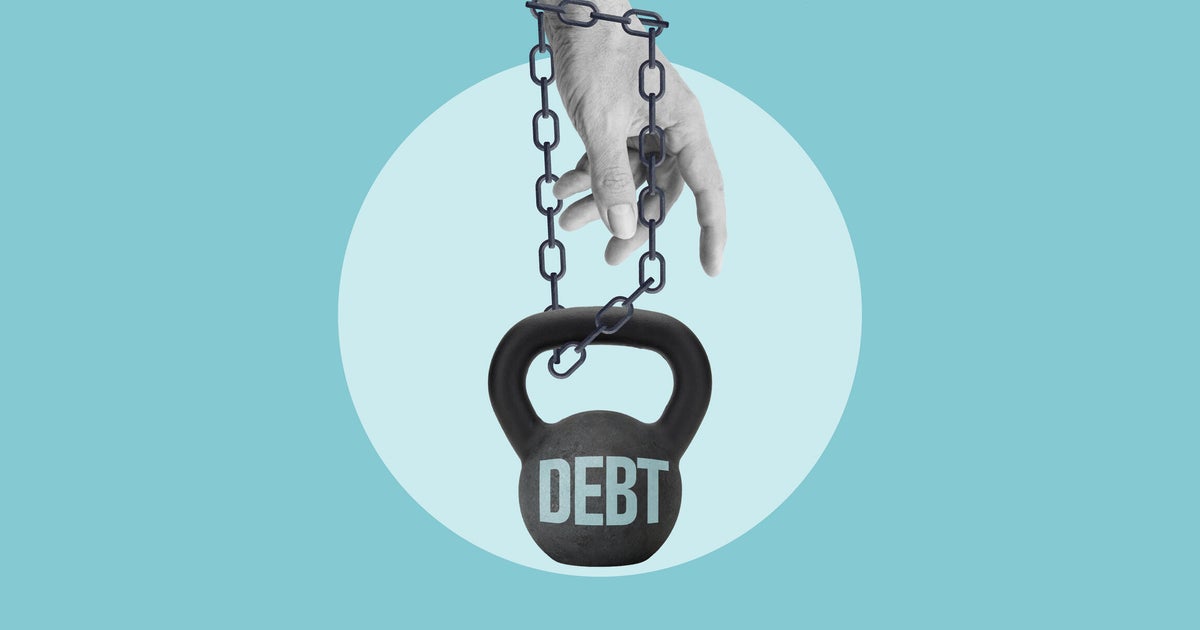
Retirement is supposed to be a time to relax and enjoy the hard work you put in when you were younger. Unfortunately, credit card debt can turn your golden years into a constant financial battle, as the interest charges compound over time, adding to your balance and turning your credit card debt into a long-term struggle.
The problem becomes even more acute for retirees who live on a fixed income. In these cases, there's little wiggle room for unexpected expenses, which means that anything from a surprise medical bill to a car repair may have to be charged on a credit card. As a result, card balances increase, the monthly payments increase and people's budgets are pushed to the limit.
Luckily, there are ways that retirees can resolve their credit card debt before it ruins their retirement.
Start on the path to paying off your credit card debt now.
3 ways to prevent credit card debt from ruining retirement
Taking the following steps can help ease the burden that credit cards may be putting on your retirement.
Lower your interest costs by consolidating your debt
Credit card interest rates are sitting at all-time highs right now, with the average rate hovering close to 23%. Depending on how much you owe, rates that high can add hundreds or thousands of dollars per year to your credit card balance.
Fortunately, debt consolidation loans can provide some relief. With a debt consolidation loan, you use the loan funds to pay off multiple high-rate credit cards and then make a single payment on the loan. That simplifies your debt repayment, saves you money on interest and, in many cases, lowers your monthly payment, as these types of loans typically come with lower interest rates than credit cards.
Many debt relief companies offer debt consolidation programs, too. Through these programs, your credit card balances are paid off with a loan provided by a third-party lender. You then make a single payment to the debt relief company until your balance is paid off. Generally speaking, paying off a debt consolidation loan can take anywhere from two to seven years.
Get help from a debt relief specialist today.
Make your credit card debt more manageable with credit counseling
Another way to make sure your credit card debt doesn't dominate your retirement is to enroll in credit counseling. Credit counseling agencies offer a variety of services, including a review of your finances that is used to create a budget that helps you pay down your debt.
If you need solutions beyond a retooling of your budget, credit counselors may also help you enroll in a debt management program. When you enroll in a debt management program, the goal is to work with your card issuers to lower your interest rates and reduce fees, which can help you pay down your debt quicker.
If you qualify for a debt management plan, you can pay off your debts completely in three to five years on average. Keep in mind, though, that enrolling in a debt management plan may have an impact on your credit score.
Negotiate a lump-sum settlement with your creditors
If you're worried that your credit card debt could ruin your retirement, debt forgiveness (also known as debt settlement) may be able to provide help. Through this process, you negotiate with your credit card issuers to have a portion of your balance forgiven in exchange for a lump-sum payment. While you can do this on your own, you can also hire a debt relief company to negotiate on your behalf. When successful, debt relief companies reduce what you owe by 30% to 50% on average.
Generally speaking, you have to meet at least three criteria to qualify for debt forgiveness through a debt relief company: You're behind on your credit card payments, you owe at least $5,000 to $10,000 and a financial hardship is inhibiting your ability to pay off your debt.
However, debt forgiveness has its drawbacks. For example, your credit score will take a hit, and you may face taxes on the amount of debt that was forgiven. Debt settlement programs can also take an average of two to four years to complete.
The bottom line
Dealing with credit card debt is never easy. Monthly payments and balances can get out of control at today's interest rates. However, tools like debt consolidation loans, credit counseling and debt forgiveness can pave the way to better manage and pay off your credit card debt. Whichever option you choose, start your journey to paying off your credit cards by gathering your credit card statements, adding up what you owe and noting your interest rates. This information can help you get a comprehensive view of your credit card debt and help you kickstart your journey to becoming debt-free in retirement.