Students will have to start paying off loans sooner
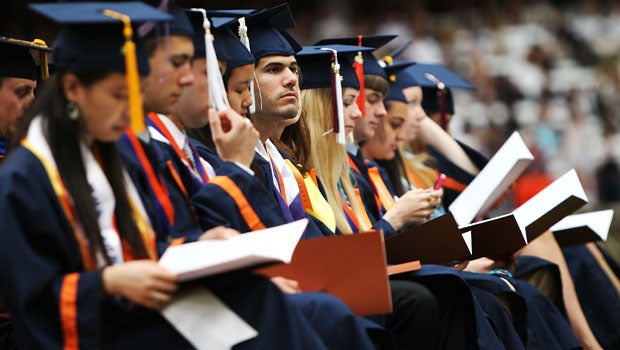
(MoneyWatch) College students who take out federal loans for the upcoming school year can expect to start paying interest off as soon as they graduate, as Congress passed new rules ending a six-month grace period on subsidized loans.
The legislation, approved last week after months of political sparring, extended a subsidy that keeps that interest rates on new subsidized Stafford loans at 3.4 percent. But now students will have to find a way to start paying off the loan right after
throwing their caps in the air.
"My post-college plans
are going to be tailored around reducing my cost of living so that I can
pay off my debt quickly," said Charles Jones, a rising senior at Middlebury College in Vermont.
While it will cost $6 billion to preserve the interest rate, part of the cost of the plan will be paid for by shortening eligibility time for the subsidy.
If Congress and President Obama had not agreed on the bill, the interest rate would have doubled from 3.4 percent to 6.8 percent July 1st, impacting an estimated 7.4 million students. On the average loan, the increased interest would have added up to a bit less than $1,000 over 10 years.More than 6 out of 10 college students receive financial aid, and during the 2010-11 school year, 34 percent of undergraduates took out federal Stafford Loans.
Student loan hike: Not really a big deal
While many were concerned about whether or not the interest rate would double, some experts believe the political and media focus on the issue detracted attention from more important college related issues, such as equal access to higher education.
Mark Kantrowitz, publisher of FinAid.org and Fastweb.com told CBS: "Reducing the interest rate does not reduce the debt, does not increase access to a postsecondary education by low income students, does not improve graduation rates, and the savings per student is negligible."