Report: U.S. blew deal to wire Afghanistan in 1999
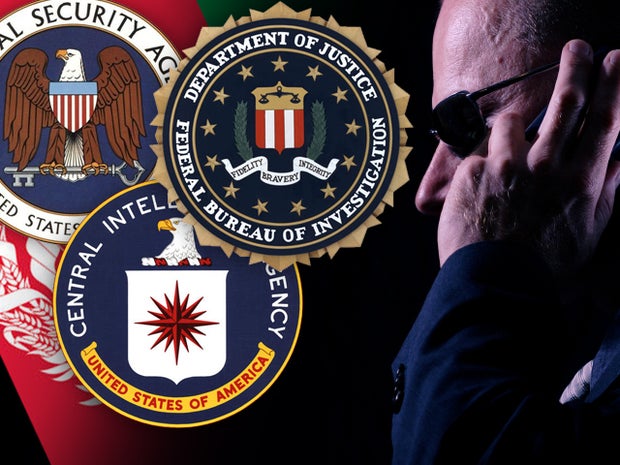
In an article due to hit newsstands around the country Tuesday, Vanity Fair magazine reports that an intelligence operation that conceivably could have prevented the Sept. 11, 2001, terrorist attacks ran into a major obstacle from the Clinton administration and was hampered by a lack of cooperation among the Central Intelligence Agency, the FBI and the National Security Agency.
FBI secret ops help prevent new 9/11: Author
Kids of 9/11 victims bond at unique summer camp
Mystery surrounds loss of records, art on 9/11
The plan, called Operation Foxden, was for an American telecommunications firm set up by an Afghan-American FBI source to win a contract from the ruling Taliban government and wire the nation, which was providing a safe haven for al Qaeda, for cell phones and Internet access. The network would have been linked to the NSA's headquarters in Fort Meade, Md., which could have logged every call made by every subscriber, the number called and a recording of the call, the magazine's contributing editor David Rose reports.
Complete coverage: 9/11 anniversary
"Why didn't we put it in?" a former C.I.A. official asked Rose. "Because we couldn't f****** agree."
As the 10th anniversary of the 9/11 attacks approaches, revelations about the government's failure to prevent the attacks continue to come to light. For example, in May, CBS' "60 Minutes" broadcast a story about a powerful tool inside the NSA that might have had a chance to head off 9/11 but was passed over for useless, expensive intelligence-gathering projects, according to an official who blew the whistle on the agency.
The Espionage Act: Why Tom Drake was indicted
Video: Full "60 Minutes" segment
Video: Eavesdropping on the world
As for Operation Foxden, the Taliban inked a deal in June 1999 giving the FBI's source a monopoly on Afghanistan's cell phone network for 15 years, Rose reports. The next month, President Clinton signed an executive order forbidding Americans from conducting business with the Taliban. The FBI and the NSA attempted to receive an exemption from the order and tried to maneuver around it but couldn't.
When the CIA became involved in January 2000, Rose reports, the plan was virtually mired in an "interagency review" until after Mr. Clinton left office.
Meanwhile, the Taliban was eager to get cell phones.
"There I was in bloody Kabul, wondering where the hell the cell-phone equipment was, fending off inquiries from the Taliban communications minister," the phone company's manager in Afghanistan told Rose. "But I couldn't give him answers. It was a nightmare."