Online treasure hunt sparks U.K. bomb scare
This story was written by Tom Dotan in the CBS News London bureau.
Karen Brittain spotted something suspicious Friday morning outside her café in the small town of Wetherby in Northern England.
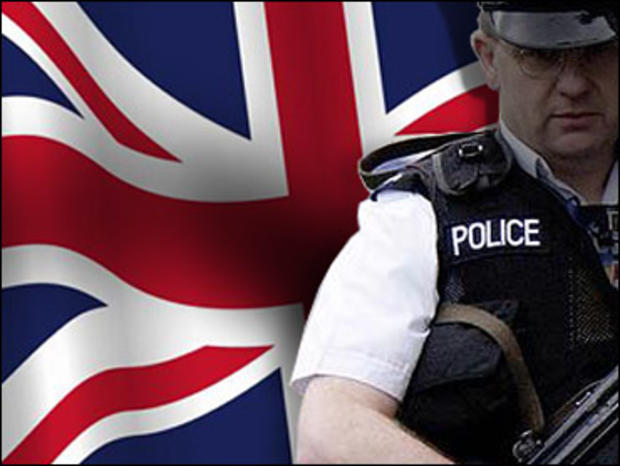
Across the street an unidentified man was holding a plastic device. He fiddled with it, placed it under a flowerpot then made a phone call as he walked away. Alarmed by this furtive behavior Brittain called the local police, whose bomb squad sprang into action, the BBC reported.
It took three hours and a controlled detonation from a bomb-disposal robot to finally diffuse the mystery. The device in question was no explosive but rather a hobbyist object known as a geocache--part of an Internet-based global scavenger hunt.
Geocaching has been around for a decade and has millions of followers around the world. Players hide an object somewhere in the country then post the coordinates on a website. Others then punch in the numbers on a GPS (Global Positioning System) device and embark on the urban treasure hunt.
The geocache site says there are thousands of these hidden baubles around the UK. At any time up 10,000 gamers are along for the quest.
To the Wetherby shop owners whose businesses were closed for hours as police investigated, the game had a real-life impact. Brittain's cafe was busy that morning; she and others estimate they lost thousands during the ordeal.
"We were closed down for several hours and it was a disaster for us really," she told the BBC.
While nothing is illegal about geocaching per se, the incident has caused some deep introspection in the closely-knit geocaching community. Some are questioning whether the geocaches should be placed in urban areas at all to avoid incidents like in Wetherby.
Police say the activity is harmless, but encourage the treasure-seekers to let them know in advance when geocaches are in the area, perhaps giving authorities a contact number or photo of the object.
Many players agree and are trying to work out better communication with local authorities, alerting them of where and when objects are placed.
"We still need to get the information out to police officers," David Palmer, an avid geocacher told the BBC. "Maybe we need to get to chief police officer level and get the information disseminated down to a forcewide level in each area."