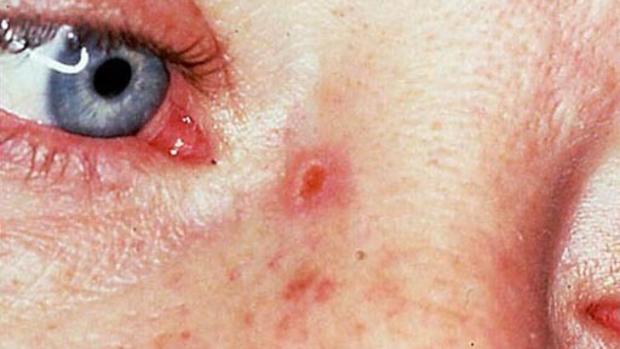
Melanoma-detecting device okayed by FDA: How reliable is it?
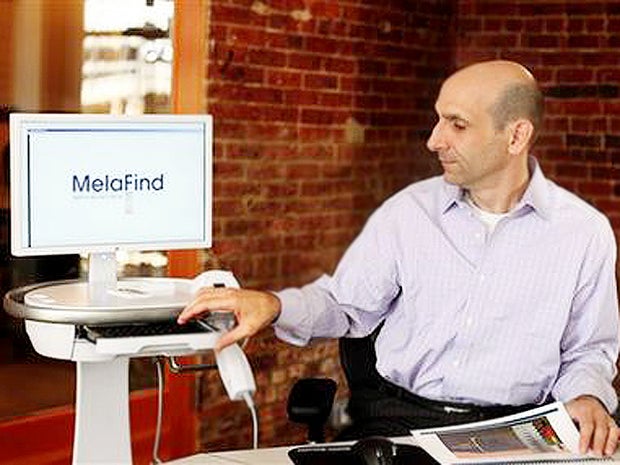
(CBS/AP) Is it cancer? That's a sometimes-tricky question for doctors who must decide whether a suspicious-looking mole is harmless - or the deadly skin cancer melanoma. But a new high-tech device may help dermatologists make the call.
PICTURES - Skin cancer or mole? How to tell
On Wednesday, the FDA approved a first-of-its-kind computerized device that makes detailed images of skin growths and analyzes them for signs of cancer. The hope for the MelaFind device is that it will help find more melanomas sooner. Early-stage melanoma is usually curable, but 85 percent of patients with late-stage melanoma die from it within five years.
This year, more than 70,000 people in the U.S. will be diagnosed with melanoma, and 16 percent will get the diagnosis only after the disease has spread to other parts of the body, the NIH estimates.
Doctors decide which moles to remove and biopsy based on a lesion's size, shape, and color. Dermatologists generally have no trouble spotting late-stage lesions that show obvious signs of cancer, including irregular edges, uneven color, and a width greater than 6 millimeters. But many other lesions are tough calls.
"Every day patients come in with 20 moles on their back and the dilemma is, which ones are suspicious and need to be biopsied?" said Dr. David Pariser, former president of the American Academy of Dermatology. "The diagnosis of melanoma is the most serious one a dermatologist makes, and we have sleepless nights worrying about it," said Pariser, who consulted for the device's maker, Mela Sciences Inc. of Irvington, N.Y., on its presentation to FDA.
The device's handheld attachmentemits light that penetrates below the surface of the skin, taking images that reflect the depth and shape of skin growths. A computer compares these to a database of 10,000 images and recommends whether a biopsy should be done.
In a company-sponsored study published last year involving around 1,300 patients - including some with multiple growths - MelaFind correctly suggested biopsies for 125 of 127 melanomas that doctors had removed.
The study - published in Archives of Dermatology - wasn't intended to show that screening with the device saves lives, only that it can improve a doctor's ability to spot melanoma.
Dermatologists say it's too early to tell whether MelaFind will lead to fewer unnecessary biopsies.
"A biopsy takes a few minutes in my hands, so if there's an issue with any lesion we will always biopsy, whether we have a MelaFind picture or not," said Dr. Leonard Goldberg, a dermatologist at the Texas Medical Center.
MelaFind underwent a contentious, years-long FDA review, which initially rejected the device and concluded it could "potentially cause more harm than good."
Regulators worried that the device could give doctors a false sense of certainty, leading to fewer biopsies. Another concern was that doctors could misinterpret the device's feedback, particularly error messages when a mole cannot be scanned. About 8 percent of growths scanned in the company study came back as "unevaluable."
At a meeting last fall, FDA scientists said Mela Sciences had not shown how its device would influence day-to-day decisions by doctors. The agency also worried about its use by general doctors not accustomed to identifying suspicious skin moles. Despite these concerns, the panel of advisers narrowly backed the overall safety and efficacy of the device in a 8-7 vote.
Regulators said this week that they ultimately approved the device after Mela Sciences agreed to limit its use to board-certified dermatologists who get specialized training.
"The device is only good for certain lesions, and that's why you have to be a dermatologist to be able to classify and categorize those lesions appropriately," said Christy Foreman, director of FDA's Office of Device Evaluation.
But don't expect to see a MelaFind machine at your next doctor's appointment. The company plans a limited rollout next year of just 200 dermatologists on the East Coast.
Doctors will pay a one-time fee of $7,500 to lease the device and receive training. Patients will pay $150 for a MelaFind scan, which analysts say may limit use to affluent patients willing to pay extra for the latest medical care.