For Jewish Iranians, war with Israel brings a flood of mixed emotions
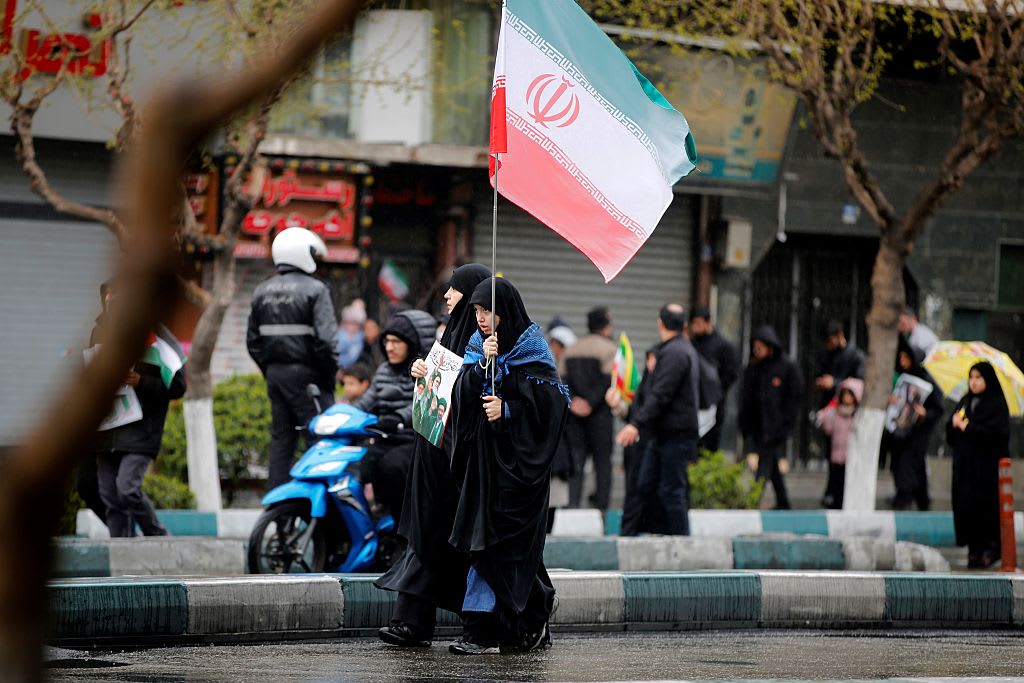
Tehran — Iran's significant Jewish population has been caught in the crossfire along with the rest of the Islamic Republic's population amid the U.S.-Israeli war with their country. For some, it's brought a unique sense of internal struggle.
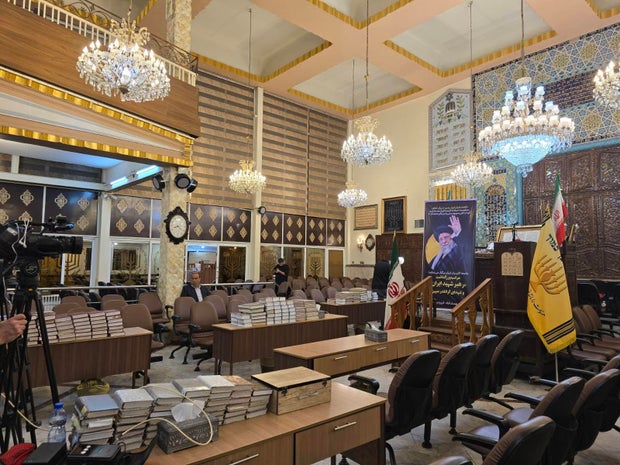
Iranian officials allowed CBS News and some other foreign media outlets access to visit one of the main synagogues in central Tehran last week, where a few Iranian Jews — who asked not to be identified by their real names — shared their anger and anxiety about the seven-week war.
There are believed to be some 12,000 Jewish Iranians in the country. It is one of the biggest Jewish communities, if not the biggest, in the Middle East outside of Israel.
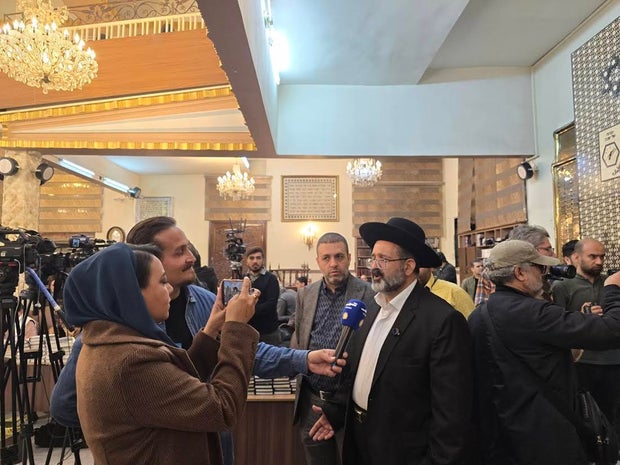
It's a significantly smaller number than the estimated 100,000 or more who lived in the country before the Islamic Republic came to power with the 1979 revolution. From that time, the community has shrunk for various reasons, including anxiety over unequal treatment — which the government denies, insisting that Jews are allowed to practice their religion openly and without fear of persecution.
Yacub, 71, a grandfather who owns a small shop in the Iranian capital, was initially reluctant to speak with an American news outlet, but he eventually agreed to share his perspective.
He said there are restrictions facing Jewish people "everywhere, and naturally there are in this country, too. Things like not being able to get employed within the government or armed forces."
Iran's judiciary system doesn't treat Jewish and Muslim citizens equally, with monetary compensation for Muslims victimized by crimes being higher, for instance. Due to the longstanding animosity between Iran and Israel, travel restrictions mean Jewish Iranians are also unable to visit Israel to attend religious festivals.
But Yacub told CBS News, "All in all, I am happy and satisfied to be living in Iran."
When Israel and the U.S. launched their war with Iran at the end of February, Yacub said "it was a very strange feeling, and full of contradictory ideas in my mind about which side I belonged to and which one I should support, but at the end I had very strong feelings toward my country, my birthplace and the roots of mine."
He said his father had told him years ago that "we are Iranian Jews, and not some Jews who just live in Iran."
For Deborah, a 37-year-old mother in Tehran, the intertwining of antisemitism with anti-Israel rhetoric from her country's government has been troubling during the war.
"I can't support this war, but the anti-Jewish rhetoric that is creeping in amid the anti-Israel propaganda is hurting my feelings," Deborah, who works in Iran's health care industry, told CBS News. "The official Iran government narrative is that they are against Israel and Zionism, but I hear a nonstop narrative against Jews and Judaism that is in their propaganda songs and their religious gatherings, and the state TV and other state media are airing it 24/7."
"Of course, I am not happy that Israel and the U.S. attacked Iran, since I consider myself as an Iranian not an Israeli," said Deborah, who added that she and her family might have left Tehran when the U.S.-Israeli strikes started, but they couldn't due to an elderly family member needing ongoing medical treatment.
"I also had to work as there were shortages of medical staff," she said. "I felt like, when all the bombs were coming down, that they would not distinguish between the followers of any religion, and Jews could be killed just as easily as Muslims or Christians or Zoroastrians or basically any other faith."
"I just hope that peace will be restored between all engaged countries, and I will be deeply thankful if the Iranian government and Israeli governments could forget their differences and sit at a table to discuss and finally solve their problems through dialogue, not guns," Deborah said. "I know it's wishful thinking, but that is my dream anyway!"
Sarah, 31, said she had a good job as a medical technician repairing hospitals' CT scan machines.
"I am not a fan of war, and as far as I hear people around me, nobody else is pro-war either, but I don't understand those people who come to the streets to chant for the destruction of a country, even if it is Israel, even if it is an enemy," Sarah told CBS News at the Sukkat Shalom synagogue, in central Tehran. "I definitely consider myself to be 100% Iranian, and don't want to leave my country. However, I cannot approve of the endless war-mongering against any people or country. I just don't understand why they can't resolve their problems peacefully instead."
"I am not a dreamer, and I understand that the political issues are serious matters and the resentment among both countries are deeply rooted in ideology," she said. "I am begging both governments, just calm down and let us live in peace."