Iran nuclear talks set to resume in spite of unease in both Tehran and Washington
Iranian lawmakers questioning a possible nuclear deal with world powers were seeking Tuesday to block likely concessions offered by Tehran in exchange for easing Western sanctions.
The effort was mostly symbolic on the eve of negotiations in Geneva, but it highlights Iran's deepening internal rifts.
The White House said Obama would meet at the White House Tuesday with the chairmen and top Republicans on the Senate's banking, foreign relations, armed services and intelligence panels.
Mr. Obama, Vice President Joe Biden and Secretary of State John Kerry have all been vocal in the campaign to dissuade Congress from passing a new round of tough sanctions while the delicate talks are underway.
White House spokeswoman Caitlin Hayden said Mr. Obama would update senators on the negotiations before talks between Tehran and world leaders resumed on Wednesday.
In Tehran, it was unclear whether enough signatures could be collected for a vote in Iran’s parliament, the results of which would also need the approval by the ruling clerics.
Iran's Supreme Leader Ayatollah Ali Khamenei has backed the nuclear talks.
Conservative lawmaker Fatemeh Alia was quoted Tuesday by the semiofficial Mehr news agency as saying she and fellow lawmakers wanted an urgent bill to stop the government from offering to suspend uranium enrichment at the highest level acknowledged by Iran and freeze work on a planned heavy water reactor.
- IAEA: Iran slows nuclear activities ahead of talks
- How Iranian officials skirt U.S. sanctions
- Oil price subdued near $93 ahead of new Iran talks
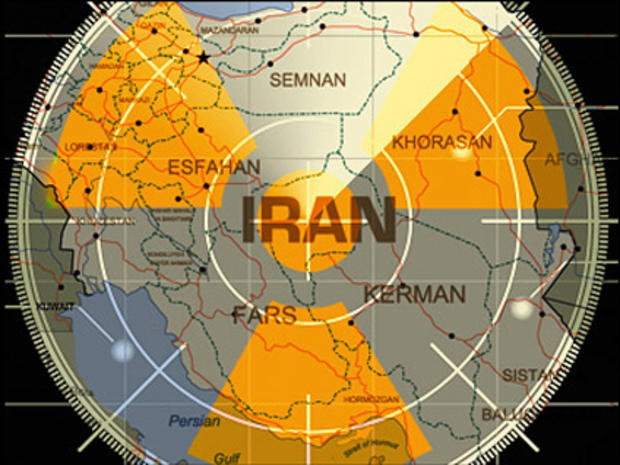
Chief White House correspondent Major Garrett told “CBS This Morning” on Tuesday that while the Obama administration is hoping for a break-through this week, Kerry has made it clear his negotiators simply don’t know what to expect from the other side, and Kerry said Monday he had no “specific expectations” as the American diplomats headed for the Geneva talks.
This week’s negotiations are aimed at reaching a first-step agreement with Iran -- designed to serve as a confidence building measure to pave the way for broader talks on the easing of sanctions.
As the second round of Geneva diplomacy approached, Zarif said on Sunday that Iran saw no need for world powers to publicly acknowledge its "right" to uranium enrichment, offering a potential way to sidestep a major sticking point on the nuclear deal.
Zarif's remarks appeared to give more latitude over previous demands that the West declare that Tehran has international clearance to produce nuclear fuel since Iran is a signatory to a U.N. treaty governing atomic technology.
The U.S. and others have balked at supporting Iran's "right" to enrich uranium.