How inflation can change your retirement plan
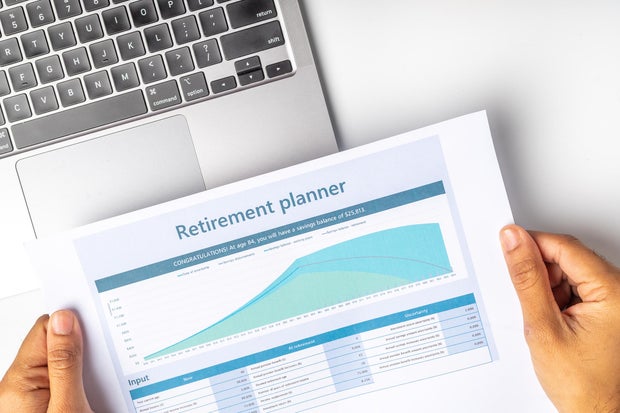
Planning for retirement generally requires you to make a lot of assumptions about the future. You have to estimate how much you'll spend, how long your savings may need to last and what kind of returns your investments could generate along the way. Right now, about 61% of Americans have a financial strategy in place, according to New York Life's 2026 Wealth Watch Midyear Outlook — up from 58% last year. But even a carefully constructed plan can start to look different when the cost of living changes faster than expected.
Those assumptions have become harder to make with confidence, though, after several years of significant price increases. Case in point? New York Life's study also shows that just 52% are confident their retirement savings will last a lifetime. Part of the issue is that while inflation has eased from the levels seen earlier in the decade, the cost of many everyday expenses remains elevated, and prices are continuing to climb. That can create a meaningful gap between what retirees and soon-to-be retirees once expected to spend and what their lifestyle actually costs today.
And those price increases can have an outsized impact in retirement, when there may be fewer opportunities to offset rising costs with higher earnings. Inflation doesn't necessarily mean a retirement plan needs to be completely overhauled, though. What it can mean, however, is that some of the assumptions the plan was built around deserve another look.
Learn about your New York Life coverage options here.
How inflation can change your retirement plan
Inflation can affect retirement finances in several ways, and its impact isn't limited to a higher grocery or utility bill. Over time, it can influence everything from how much you need to save to how quickly you draw down your portfolio. Here's what to know about the impact of inflation on your retirement plan:
You may need a larger retirement savings target
One of the biggest risks inflation poses is the gradual loss of purchasing power. If prices rise by an average of 3% annually, for example, something that costs $50,000 today would cost roughly $67,000 in 10 years.
That matters when setting a retirement savings target. Someone who calculated their retirement needs several years ago based on expected annual spending of $60,000 may find that the original target no longer provides the same lifestyle once higher prices are factored in.
So, it may make sense to periodically recalculate expected retirement expenses using current costs rather than relying on estimates made years earlier. Those who are still working may then need to increase their retirement contributions, extend their savings timeline or adjust other parts of the plan to close any resulting gap.
Find out how a New York Life insurance policy could benefit you today.
Your retirement withdrawals may need to change
Inflation can also affect how much retirees need to withdraw from their portfolios each year. When housing, insurance, food and other expenses rise, sticking to the same dollar amount of withdrawals may mean cutting spending elsewhere.
Simply withdrawing more isn't necessarily a straightforward fix, however. Taking larger distributions can cause a retirement portfolio to shrink faster, particularly if those withdrawals occur during a period of weak investment returns. That can increase the risk of running short later in retirement.
As a result, retirees may need to revisit their withdrawal strategy as inflation changes. That could mean adjusting discretionary spending, keeping more cash available for near-term expenses or being more flexible about how much is withdrawn from investment accounts from one year to the next.
Your investment mix may need another look
Inflation can also change the role different assets play in a retirement portfolio. Cash and fixed-income investments can provide stability, but their purchasing power can erode if their returns consistently trail inflation.
Stocks, on the other hand, have historically offered greater long-term growth potential, though they also come with more short-term volatility. Other assets, including Treasury inflation-protected securities (TIPS), are specifically designed to provide some protection against rising consumer prices.
That doesn't mean retirees should make sweeping portfolio changes whenever inflation rises, however. But a prolonged shift in inflation can be a reason to review whether the portfolio still has the right balance between preserving principal, generating income and producing enough long-term growth to keep pace with rising expenses.
Social Security increases may not cover every rising cost
Social Security benefits receive annual cost of living adjustments (COLAs) designed to help benefits keep pace with inflation. In 2026, for example, beneficiaries received a 2.8% COLA.
Those adjustments can provide valuable protection, but retirees shouldn't assume they will fully offset changes in their individual budgets. A retiree's personal expenses may rise faster or slower than the inflation measure used to calculate the COLA, depending on where their money goes. That makes it important to evaluate Social Security as one piece of a broader income plan rather than relying on annual benefit increases alone to absorb higher costs.
Your retirement date could be affected
For workers approaching retirement, persistent inflation can even influence when it makes sense to leave the workforce. If rising prices have increased the amount of income needed each month, retiring according to the original timeline could put more pressure on savings than anticipated.
Working for longer than anticipated isn't the only option, but even a modest delay can have multiple effects. It provides additional time to contribute to retirement accounts, reduces the number of years those savings may need to support and could result in a larger monthly Social Security benefit for those who delay claiming.
The bottom line
Inflation doesn't automatically derail a retirement plan, but it can gradually make an outdated one less effective. Higher prices can change how much you need to save, how much income you'll require and how long your portfolio is likely to last. That's why it can be useful to revisit the assumptions behind the plan periodically, especially after a meaningful change in the cost of living. Making smaller adjustments along the way may be easier than discovering years later that the numbers no longer match the retirement you planned for.