Great American Smokeout spotlights smoking cessation: What works best?
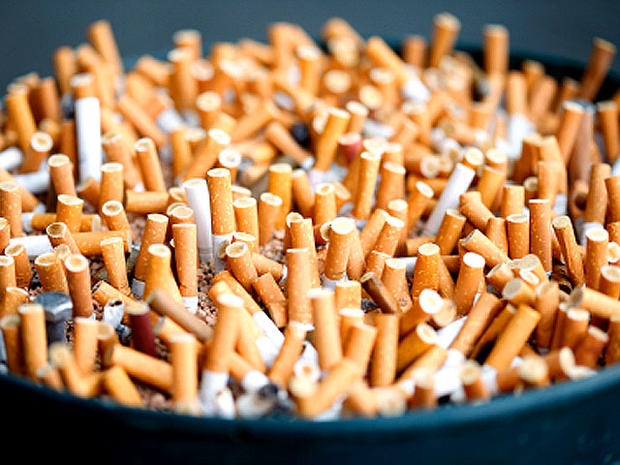
(CBS) Today marks the 35th annual Great American Smokeout, a day on which the estimated 46 million American smokers are challenged to kick the habit for at least 24 hours - with the hope they decide to quit for good.
PICTURES: Smoker? 11 Tricks to Keep Smoking
And take it from one former smoker - this day won't be easy.
"The fact is, quitting smoking is hard," President Barack Obama said in a White House video. "Believe me, I know."
But the ex-Smoker-in-Chief is now tobacco-free according to his latest medical report.
What's the best way to quit smoking? It might take more than relying on "cold turkey and sheer willpower."
"The best data is that about 5 percent of people succeed," Dr. Norman Edelman, chief medical officer at the American Lung Association, told HealthDay.
But there are several smoking cessation techniques that can help break bad habits and ease withdrawal, such as nicotine-replacement therapy (patches or gums), medication, therapy, and even telephone hotlines, the American Cancer Society said.
The Smokeout isn't just about quitting, according to President Obama. It's also a reminder that young people should be prevented from smoking in the first place.
The Family Smoking Prevention and Tobacco Control Act the president signed in 2009 gave the FDA regulatory authority on cigarettes. That led to the FDA announcing more graphic labels aimed at cutting smoking rates, which in turn led to a lawsuit by Big Tobacco to prevent the labels from hitting cigarette packs, CBS Newsreported.
Some big tobacco companies "don't want to be honest about the consequences of using their products," Obama said in the video.
Smoking is the leading cause of preventable death in the U.S., contributing to cancer, heart disease, strokes, and respiratory infections.
But smoking isn't just bad for the smoker's body - second-hand smoke causes 46,000 heart disease deaths, 3,400 lung cancer deaths, and a million cases of childhood asthma, according to the American Cancer Society. And second-hand smoke can affect all family members - recent studies of smoking households have found nasal and lung cancer in dogs, and lymphoma and squamous cell carcinoma in cats, WebMD reported.
Click here for a step by step guide on how to quit smoking from the American Cancer Society.