Gold prices and inflation: What every investor should know now
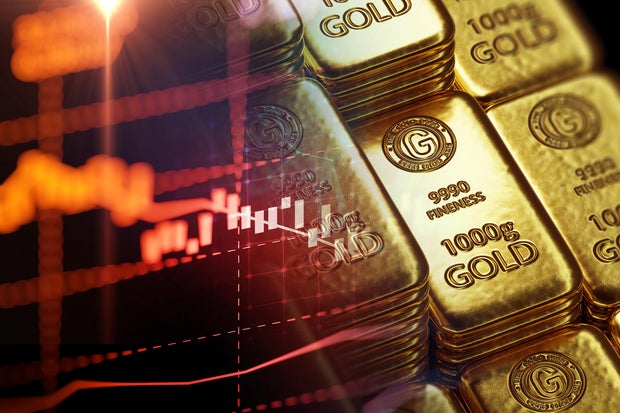
Gold investors are experiencing some serious whiplash right now. Earlier this week, prices crashed from the latest record-high of above $4,300 per ounce, dipping all the way down to about $4,000 per ounce — a $300 drop that vaporized much of the gains accumulated over months. Then, almost just as quickly, the price of gold bounced back, climbing toward $4,136 per ounce on Thursday before dropping again on Friday morning. That ongoing price volatility is, in turn, having a big impact on a lot of investors right now.
Behind this volatility sits a tug-of-war between conflicting market dynamics. A mix of Federal Rate cuts and future rate cut expectations, along with a weaker dollar and a resilient stock market, is having an impact on the price of gold, and perhaps not in the way investors expected. Inflation also just hit 3% in September, the highest level since January, showing troubling signs of persistence. In other words, the market is essentially trying to figure out which force matters most, and is repricing gold by the hour as it sorts through the confusion.
When it comes to figuring out today's gold market, though, inflation, in particular, could be key. Historically, investors have turned to gold as an inflation hedge, a safe-haven during uncertainty and a portfolio diversifier, but the relationship between gold and inflation isn't as straightforward as you may expect.
Find out how you can start adding gold to your investment portfolio now.
Gold prices and inflation: What investors should know now
Before you make any decisions about adding gold to your portfolio or dumping what you already own, here's what the data actually tells us about how these two forces interact:
Gold and inflation don't always move together
Gold is often called an inflation hedge, but that doesn't mean it always protects you from rising prices. In some periods, gold has gone up alongside inflation, but in others, it's barely moved or even dropped. That's because gold prices depend on a mix of factors, including the strength of the U.S. dollar, central bank decisions, global demand and investor sentiment. In other words, it's influenced by a lot more than just inflation, though that does play a significant role.
For new investors, this means it's risky to rely on gold alone to protect your money from inflation. Instead, think of it as one piece of a bigger picture. It's something that can help balance your portfolio when the economy is unpredictable, but not a guaranteed safeguard.
Explore your gold investing options and find the right fit today.
Future inflationary issues could push gold's price higher
Gold prices hit record levels this year before slipping recently. For long-term investors, that kind of pullback can be an opportunity. If inflation ticks up again or interest rates drop further over time, history suggests gold prices could climb once more.
For example, in past periods when inflation surprised to the upside, gold prices quickly rebounded after dips, often reaching new highs as investors sought safety from the impact. The same could happen again if future inflation data comes in hotter than expected or if the Fed signals more rate cuts ahead.
Still, remember that gold's short-term price swings can be sharp. If you're new to investing, don't go all-in at once. Consider dollar-cost averaging, which essentially means buying small, consistent amounts over time, to smooth out the price fluctuations.
Inflation reiterates why gold should not dominate your portfolio
Even if you're optimistic about gold's future, this precious metal shouldn't make up the bulk of your investments. Instead, think of it as a tool to diversify, meaning it's a way to spread risk across different types of assets.
When inflation rises, stocks and bonds sometimes fall at the same time. Gold can move differently, helping to balance things out. But because it doesn't generate income, most experts suggest keeping gold to a small percentage of your total portfolio, often around 5% to 10% max, depending on your goals and comfort level.
It's not just inflation — interest rates matter, too
Many people assume gold automatically goes up when inflation rises, but what really matters is something called real yields, or interest rates after inflation is factored in. When real yields fall, meaning that savings and bonds are earning less after accounting for inflation, gold usually becomes more appealing. That's because gold doesn't pay interest or dividends, so when those alternatives lose value in "real" terms, investors often move money into gold instead.
Right now, the Fed's recent rate cut has lowered real yields, and if inflation stays sticky, gold could become more attractive again. So, rather than just watching the inflation reports, investors should keep an eye on what's happening with interest rates, too.
The bottom line
Gold prices are still high, but the recent dip could open new opportunities for investors, especially if inflation sticks around longer than expected. Just remember: Gold isn't a magic fix for inflation. It's a useful diversification tool, but it works best as part of a balanced portfolio alongside stocks, bonds and other assets.
For new investors, it's important to understand why gold moves the way it does. If real yields fall or inflation surprises the market, gold could surge again. But building long-term wealth means thinking beyond short-term swings and focusing on how each investment fits your bigger financial picture.