Genomic testing's role in the fight against cancer
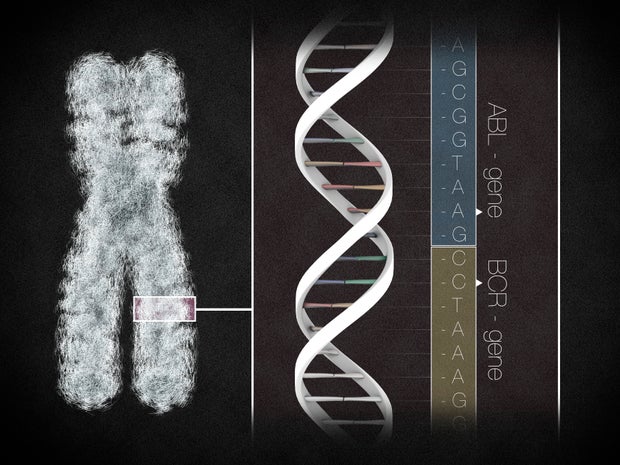
Just as no two fingerprints are exactly alike, no two tumors are identical. Every cancer is different, even when it affects the same part of the body as another. In recent years, one of the biggest scientific breakthroughs in cancer treatment has involvedgenomic testing, which allows doctors to understand an individual patient's cancer at the molecular level, and then figure out options to treat it. "With cancer genomics, we're looking at the molecular and genetic abnormalities within a cancer that make it grow and spread," explains Maurie Markman, M.D., President of Medicine & Science at Cancer Treatment Centers of America® (CTCA).
How it is used: Unlike genetic testing, which detects whether you are at risk for a particular form of cancer based on inherited genetic abnormalities, genomic testing in the diagnostic phase is used to identify the unique characteristics of a tumor deep inside, at the molecular and genetic levels. This can be done on nearly every type of cancer, but it is used most often for breast, lung, colon and ovarian cancers, as well asmelanoma and blood cancers such as chronic myelocytic leukemia, Dr. Markman notes.
How it's performed: Normally, a pathologist diagnoses cancer based on the results of a biopsy or blood test, after viewing the sample under a microscope. With genomic tumor testing, cancer cells are isolated from the sample, and their DNA is sequenced in the lab. Highly sophisticated equipment is used to scan the sequenced genetic profile for abnormalities that influence how the tumor behaves, including how rapidly the cancer is likely to grow, where it may spread, and what characteristics may be targeted with specific drug therapies.
Rather than taking a one-size-fits-all approach to treating cancer, genomic testing allows doctors to fine-tune the treatment to attack an individual patient's cancer at the source--the abnormalities coded in its DNA. In other words, the treatment options may be tailored to the genetic profile in each individual's cancer. If the molecular and genetic abnormalities in a specific tumor match known mutations that have responded well to particular therapies, your oncologist may suggest treatments that have been used successfully to target the mutations in your cancer.
Where it may lead us: Ultimately, the goal is to provide more personalized treatment options--what's often referred to as "precision medicine"--that lead to more targeted treatments for an individual patient's cancer and may help reduce the impact on healthy surrounding tissue. Right now, for example, standard chemotherapy hits lots of different targets, including normal tissue. With the help of genomic testing, experts hope future treatments will spare healthy tissue and damage only targeted cancer cells.
As the field of genomic testing continues to evolve, many researchers expect this refined approach to lead to more effective treatments. "We're in an absolute revolution, learning more every year because of our ability to look at things at a molecular level," Dr. Markman says. "The potential impact of this knowledge is changing our concepts of various cancers, how we treat them, and the prognosis for patients."

Learn more about genomic testing and the promise of precision medicine.
This page was produced by the advertising department of CBSNews.com in collaboration with Cancer Treatment Centers of America. The news and editorial staff of CBSNews.com had no role in its preparation.