Gay, bisexual teens more likely to engage in risky behavior, survey shows
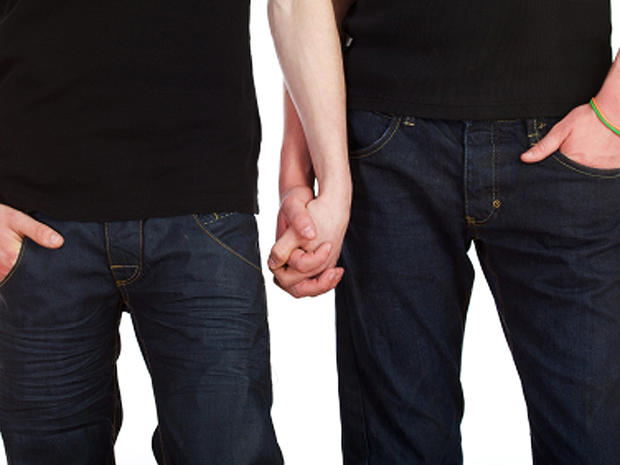
(CBS/AP) The teen years can be risky, and a new survey suggests they may be especially risky for lesbian, gay, and bisexual teens.
The CDC survey, based on anonymous surveys of 156,000 high school students, shows that gay and bisexual high school students are more likely than their heterosexual peers to smoke, drink alcohol, use drugs, and engage in other risky behaviors.
"This report should be a wake-up call for families, schools and communities that we need to do a much better job of supporting these young people," Dr. Howell Wechsler, director of CDC's division of adolescent and school health, said in a written statement. "Any effort to promote adolescent health and safety must take into account the additional stressors these youth experience because of their sexual orientation, such as stigma, discrimination, and victimization."
Investigators asked questions on dozens of risky behaviors, ranging from not wearing a bike helmet to attempting suicide. Gay, lesbian, and bisexual students reported risky behavior in 50 percent to 90 percent of the risk categories, the survey showed.
Some specific results - which were published in the June 6 issue of Morbidity and Mortality Weekly Report - include:
-About 8 percent to 19 percent of heterosexual students smoke cigarettes, compared to 20 percent to 48 percent of gay and lesbian students.
-About 4 percent to 10 percent of heterosexual students say they've attempted suicide in the previous year, compared to 15 to 34 percent of gay and lesbian teens.
-About 3 percent to 6 percent of heterosexual students said they vomited or used laxatives to lose weight, compared to 13 percent to 20 percent for gay and lesbian students, and 12 percent to 17.5 percent for bisexual students.
Why are gay and bisexual teens more likely to engage in risky behavior? The survey didn't ask. But the researchers pointed out that - unlike straight teens - gay, lesbian, and bisexual teens often face stigma and rejection. "Many risk behaviors are related to how people feel about themselves and the environment they're in," said survey author Dr. Laura Kann, of the CDC's division of adolescent and school health.