Gas prices could soon breach $5 a gallon if Strait of Hormuz remains shut, J.P. Morgan analysts say
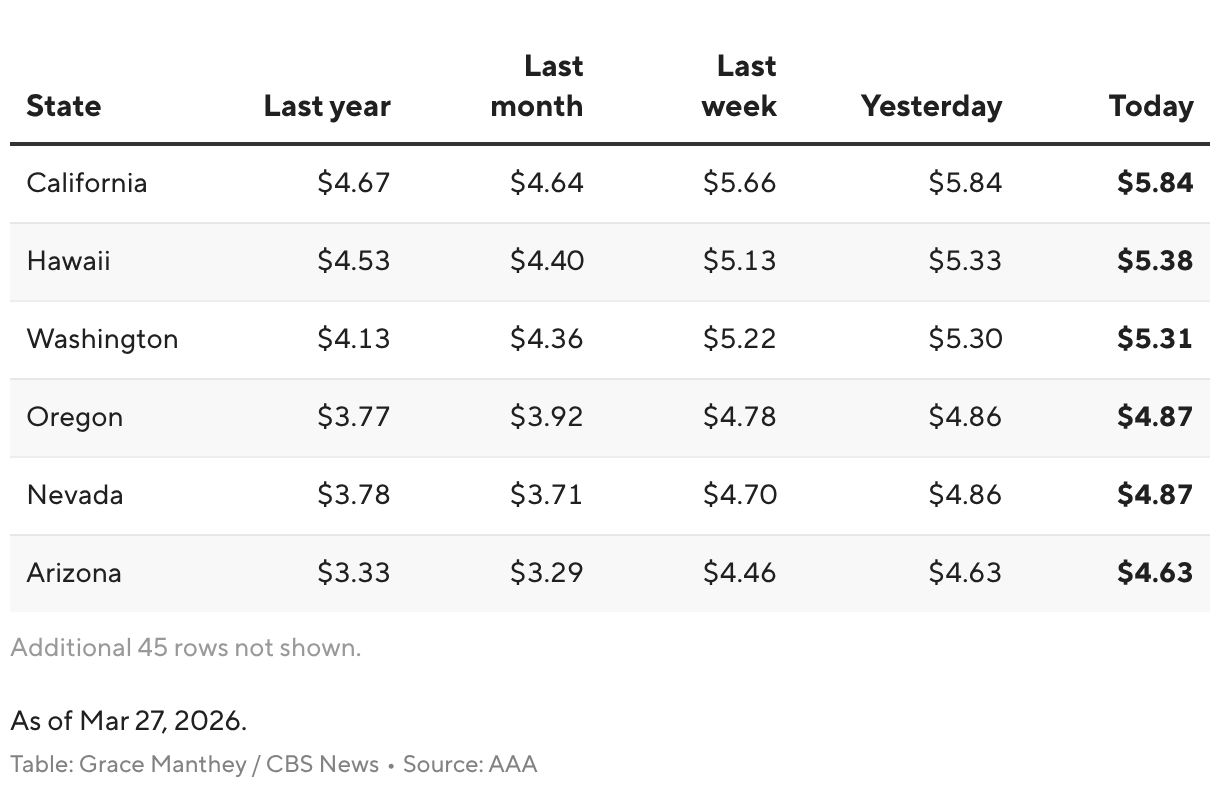
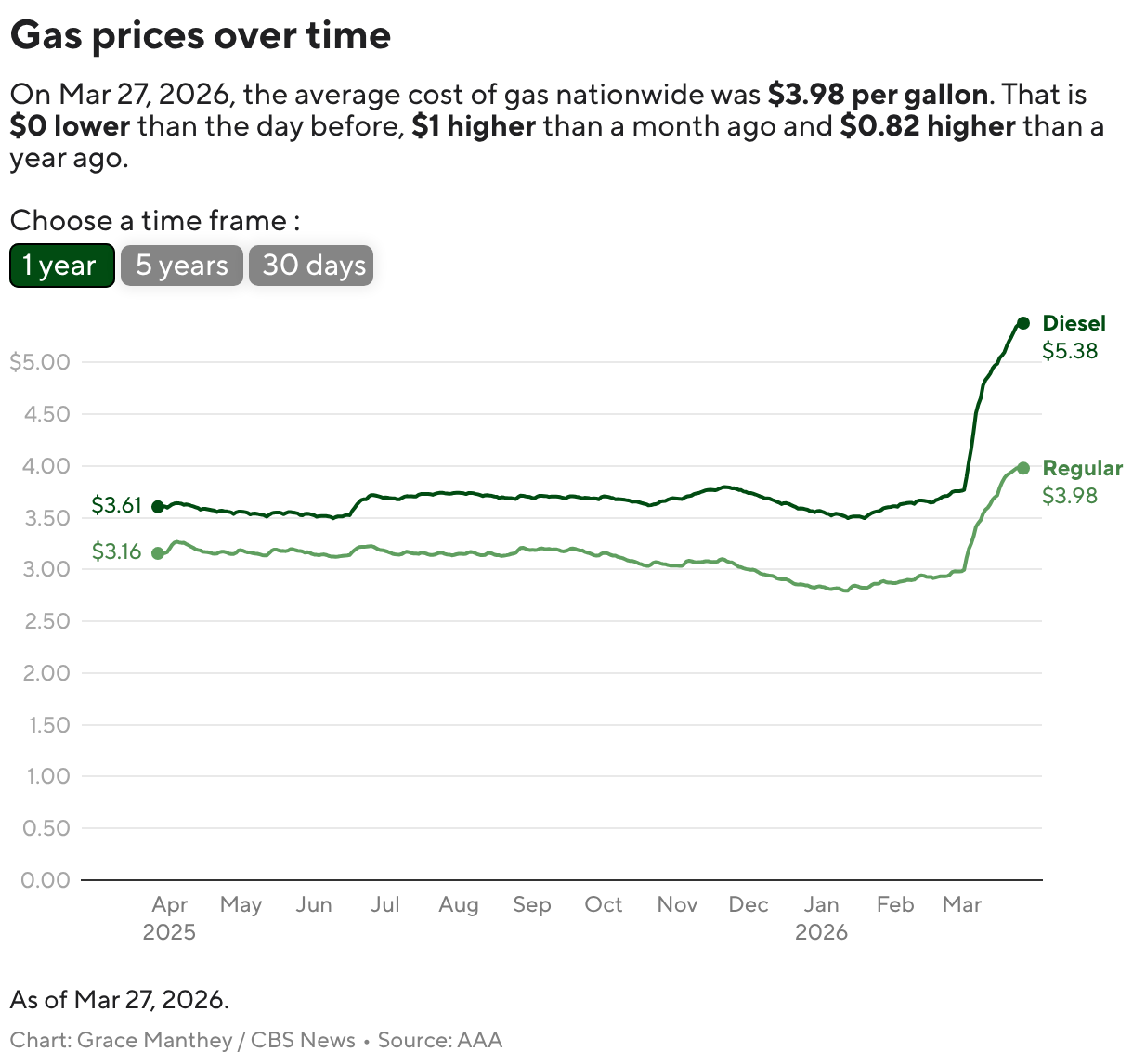
Gasoline prices in the U.S., which have risen $1.16 a gallon since the start of the Iran war in February, could top $5 a gallon as soon as later this month if the Strait of Hormuz remains closed through mid-April, according to J.P. Morgan energy analysts.
Higher prices at the pump could also consume "much or all" of the larger tax refunds many Americans were expected to receive this year because of the Republican-backed tax and spending bill passed in 2025, they note.
"Every 10¢ rise in the average price of regular gasoline this year would add just over another $12 [billiion] to the annual outlays for gasoline," J.P. Morgan said in a note to clients. "Our U.S. economics team estimates that the recent increase in the gasoline price, if it persists for the rest of this year, should amount to around a $100 [billion] hit to consumers' purchasing power."
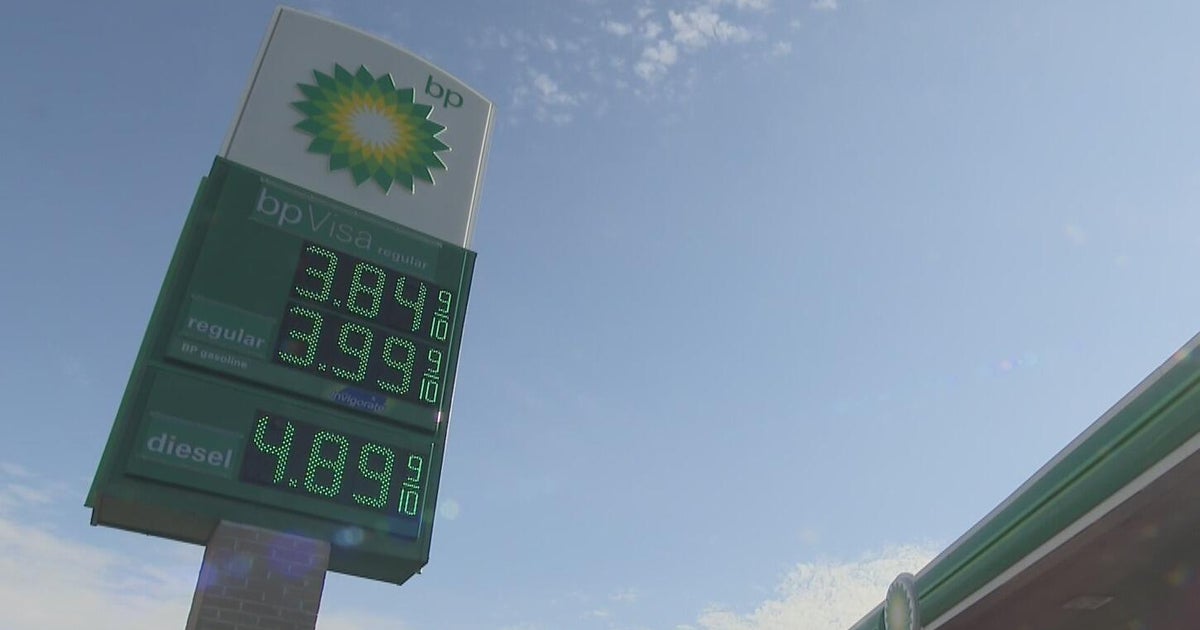
Gas prices have surged in the U.S. as the conflict in the Middle East blocks shipments of oil passing through the strategically vital Strait of Hormuz. As of Tuesday, the average national gas price was $4.14 a gallon, up from $2.98 just before the outbreak of hostilities, according to data from AAA.
Patrick De Haan, a petroleum expert at GasBuddy, agrees that gas prices could surpass $5 a gallon by late April if the situation in the Middle East doesn't improve soon.
"New records for both gasoline and diesel are possible, and more likely if the president follows through on his threats to attack Iran/escalate the situation later today," he said in an email to CBS News.
The average national gas price last reached $5 a gallon in 2022, hitting an all-time high of $5.02 after adjusting for inflation in June of that year amid the fiercest inflation in four decades.

Traffic in the strait has edged up, with 21 ships transiting the waterway over the weekend, according to Bloomberg. However, traffic remains far below where it stood before the war. Ship transits through the channel dropped from roughly 130 per day in February to six in March, a United Nations panel said in a report on Monday.
On Tuesday, President Trump ramped up his threats against Iran, writing on Truth Social that "a whole civilization will die tonight" if the country doesn't reopen the strait by 8 p.m. Eastern time on Tuesday.
Mr. Trump told CBS News White House correspondent Weijia Jiang on Monday that "we have to have a deal that's acceptable to me, and part of that deal is going to be, we want free traffic of oil and everything else."
Mr. Trump has repeatedly called on other countries to reopen the waterway, noting that the U.S. imports relatively little oil from the Middle East. In a speech last week, he said that countries that rely on crude shipments passing through the strait should "take the lead in protecting the oil that they so desperately depend on," according to the Assoicated Press.