Former DOJ official urges pro sports leagues to create internal watchdog to police illegal gambling
In the hours before his game, on a mild February night in 2024 inside the on-campus Corbett sports center in Greensboro, North Carolina, Camian Shell allegedly sent a heart emoji in response to a text message he'd just received. By the end of the game, Shell's North Carolina A&T men's basketball team would suffer a huge halftime deficit and an eventual 84-58 defeat.
Shell's heart emoji is now evidence in one of the largest and most sweeping federal investigations into alleged point shaving in college sports.
Shell, who pleaded not guilty at his arraignment last week in Philadelphia federal court, is one of more than a dozen college athletes accused of accepting bribes from gamblers to take a dive and deliberately tank their performance on the court.
According to charging documents, a co-conspirator texted Shell a request to shave points before one February 2024 game. Prosecutors alleged Shell sent the emoji in response to the text and "underperformed in and influenced the first half as they had agreed."
The conspiracy allegedly corrupted nearly 30 NCAA basketball games in 2024 and 2025.
The case comes just months after two Major League Baseball pitchers were charged with allegedly rigging individual pitches, in an alleged conspiracy with gamblers. In recent months, an NBA player has also been charged by federal prosecutors with conspiring with gamblers to underperform on the court, to help bettors secure victorious wagers.
This series of high-profile cases — which follow a rapid nationwide expansion of legal sports gambling — has triggered calls for the leagues to create and empower an internal investigative agency to police for illicit gambling schemes and misconduct by players and other employees.
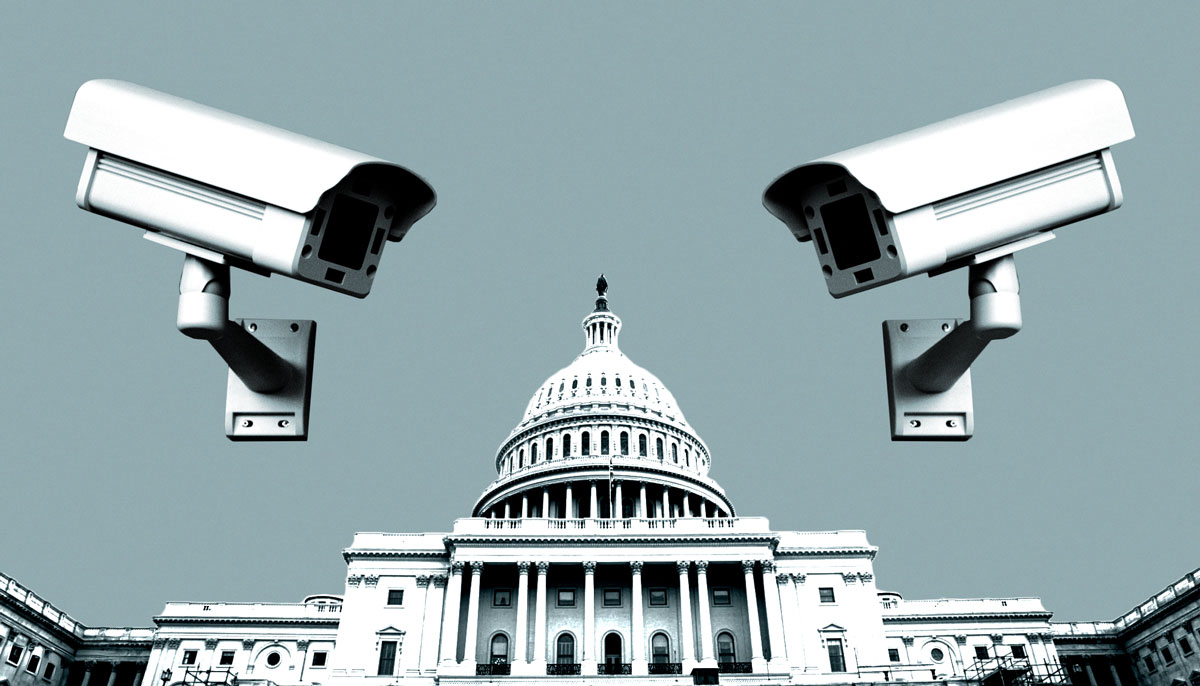
One proposal, released by former federal corruption prosecutor Carolyn Pokorny, recommends an "inspector general for sports integrity," which is funded by the leagues but operates independently.
"When your reputation and your business model are at stake, you just can't investigate yourself credibly. You need someone with independence to do it," Pokorny told CBS News.
Pokorny said the recent criminal sports gambling investigations by the Justice Department have exposed vulnerabilities in the major sports leagues and risk damaging the sports' brands.
Pokorny, who previously oversaw sports gaming cases in the Eastern District of New York, said the Justice Department has only limited bandwidth to root out unlawful gaming in sports.
Pokorny told CBS News, "Those kinds of prosecutions are really critical. But you have to keep in mind that prosecutors are stretched very thin, and they have a huge mandate. They're handling terrorism, drug cartels and human trafficking. They are not the sports integrity police."
In a December op-ed for Bloomberg Law, Pokorny pointed to the Financial Industry Regulatory Authority, a private oversight body funded by Wall Street firms, as a "working model for how this could be done." Pokorny said the leagues could work in collaboration to have a single inspector general monitoring for suspicious wagers, patterns or actions. She said any individual league could also do so on its own.
She compared the proposed inspector general to government inspectors general offices, which have full-time attorneys and auditing specialists who conduct audits, inspections and investigations to root out waste, fraud and abuse. They also monitor for misconduct and vulnerabilities to fraud and criminal misconduct.
In response to a request for comment on Pokorny's proposal, the NCAA pointed to its existing enforcement efforts, which it described as "one of the largest integrity monitoring programs in the world." The collegiate sports organization also noted that it has called for an end to "prop bets," or wagers on things other than a game's final outcome, including the performance of individual players. The NCAA said prop bets pose "integrity risks."
The NFL and MLB declined to comment to CBS News. The NBA and NHL did not immediately respond to requests for comment.
The Justice Department's NCAA basketball gambling investigation required nearly two years to fully uncover, spanning 26 criminal defendants. Most of the games that were allegedly impacted took place in early 2024. Prosecutors said the bribes could range between $10,000 and $30,000 per game. The people behind the alleged scheme are accused of finding games in which a corrupted player was on a team that was favored to lose and then bribing the player to deliberately underperform during the game and not cover the point spread.
Games involving the following teams were allegedly rigged or impacted, investigators say: North Carolina A&T, Towson, Abilene Christian, Alabama State, Butler, DePaul, Duquesne, East Carolina, Florida Atlantic, Fordham, Georgetown, Kennesaw State, Kent State, La Salle, McNeese State, Nicholls State, Ohio University, St. Louis University, St. John's, SUNY Buffalo, Tulane and Western Michigan University.
An attorney for Shell would not comment when reached by CBS News.
In response to the case, NCAA President Charlie Baker issued a statement which, in part, said the revelations were "not entirely new information to the NCAA."
"Through helpful collaboration and with industry regulators, we have finished or have open investigations into almost all of the teams in today's indictment," Baker said at the time.
An internal investigation by the NBA also led the league to ban Toronto Raptors center Jontay Porter in April 2024 for allegedly giving information about his health status to gamblers. Porter pleaded guilty to wire fraud conspiracy later that year.
Pokorny told CBS News that internal investigations by the professional leagues and NCAA are helpful but not sufficient to root out the spread of gambling schemes.
"It's private industry. They can do what they want," she said, referring to the idea of appointing an independent inspector general. "I think they can do this today, and the business case for doing it [in] sports betting is: It's a multi-billion dollar industry to protect."
Sports business reporter John Ourand, who covers the leagues, media and industry for digital news outlet Puck, said there is still little, if any, indication the sports gambling cases have hurt the bottom lines of pro sports leagues or NCAA — at least not yet.
Ourand told CBS News, "No matter what metric you're taking a look at — attendance, sponsorships or TV viewership — people are still watching college sports."